
Oregon
Oregon occupies the northwestern corner of the contiguous United States, stretching from the rugged Pacific Coast in the west to the high desert plateaus of the Great Basin in the east. The state shares borders with Washington to the north, Idaho to the east, Nevada and California to the south, and faces the Pacific Ocean along its entire 363-mile western edge. This geographic reach produces one of the most diverse landscapes of any U.S. state, spanning temperate rainforests, volcanic mountain ranges, river gorges, fertile valleys, and sweeping sagebrush desert.
The Cascade Range bisects Oregon from north to south, creating a dramatic divide between the wet, lush west side and the dry, sun-drenched east. West of the Cascades, the Willamette Valley stretches between Portland and Eugene, lined with vineyards, farms, and the state’s largest cities. The coast, protected entirely as public land since the Oregon Beach Bill of 1967, features sea stacks, tide pools, towering dunes, and charming seaside towns. To the north, the Columbia River Gorge carves a spectacular canyon along the Washington border, drawing hikers, windsurfers, and waterfall seekers to places like Multnomah Falls.
East of the Cascades, Central Oregon centers on Bend and the high desert, where Smith Rock State Park rises above juniper flats and the Three Sisters volcanoes dominate the skyline. Further east, the John Day Fossil Beds National Monument preserves richly colored badlands and one of the world’s most complete fossil records. Southern Oregon is home to Crater Lake National Park, formed in the caldera of collapsed Mount Mazama and renowned for the deepest, clearest blue lake in the United States, as well as the Oregon Caves National Monument and the vibrant arts town of Ashland.
Oregon manages over 250 state park properties and 20 National Park Service units, with 44 designated scenic byways threading through its most spectacular terrain. The state’s outdoor recreation economy draws millions of visitors annually to activities ranging from surfing and tide-pooling on the coast to skiing on Mount Hood, white-water rafting on the Rogue River, and stargazing in some of the darkest skies in the nation near Steens Mountain.
The best time to visit Oregon depends on the region and activity. Summer (late June through September) offers reliably dry weather for hiking, camping, and exploring the coast and mountains. Spring brings blooming wildflowers and peak waterfall flows to the Columbia Gorge and Silver Falls. The coast is a year-round destination, beloved by storm-watchers in winter and families in summer. Eastern Oregon and the high desert are best experienced in summer and early fall before temperatures drop sharply. Shoulder seasons in May, June, and September offer lighter crowds and comfortable conditions across most of the state.
Featured State Parks in Oregon
-
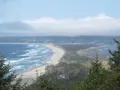
Cape Lookout State Park
A dramatic coastal headland with old-growth forest trails, whale watching, and beachside camping near Tillamook.
-
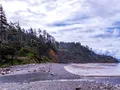
Ecola State Park
Nine miles of rugged Oregon coastline with sea-view hikes, tide pools, elk, and views of Tillamook Rock Lighthouse.
-
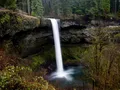
Silver Falls State Park
Oregon's largest state park, famous for its 10-waterfall canyon loop trail through old-growth forest.
-
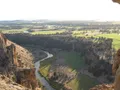
Smith Rock State Park
Iconic high desert park with dramatic rock spires, world-class climbing, and scenic canyon hiking.
-
Tumalo State Park
Riverside high desert park near Bend with camping, swimming, and trails along the Deschutes River.