
Washington
Washington state occupies the far northwestern corner of the contiguous United States, bordered by Oregon to the south, Idaho to the east, the Canadian province of British Columbia to the north, and the Pacific Ocean to the west. This geographic position makes it one of the most topographically varied states in the country, encompassing dense temperate rainforests, volcanic mountain ranges, fertile river valleys, high desert plateaus, and over 150 miles of rugged Pacific coastline.
The state divides naturally into two distinct sides split by the Cascade Range. The wet, green western side is home to Puget Sound, the Seattle metropolitan area, the Olympic Peninsula, and the lush lowland corridors connecting them. East of the Cascades, the climate shifts dramatically to a semi-arid plateau landscape known as the Columbia Basin, home to the rolling Palouse farmland, the Okanogan Highlands, and cities like Spokane. This east-west contrast gives travelers an almost double destination within a single state border.
Washington is home to three national parks, all of them spectacular in different ways. Olympic National Park protects glacier-capped peaks, old-growth rainforest, and wild ocean beaches within a single park boundary. Mount Rainier National Park showcases the iconic 14,411-foot stratovolcano draped in glaciers and wildflower meadows. North Cascades National Park offers remote, alpine wilderness with over 300 glaciers. Beyond the national parks, the state manages more than 140 state parks ranging from marine camping parks in the San Juan Islands to heritage sites in the Columbia Gorge.
Major travel regions within Washington include the Olympic Peninsula, the Puget Sound corridor, the volcanic South Cascades near Mount St. Helens, the scenic Columbia River Gorge, the farm-and-art destination of Eastern Washington and the Palouse, and the island-studded San Juan archipelago. The state also boasts an exceptional network of scenic byways, including the renowned Cascade Loop, the Chinook Scenic Byway, and the Mountains to Sound Greenway along Interstate 90.
The best time to visit most of Washington runs from late June through September, when west-side weather is reliably dry and sunny and the high mountain passes are fully open. Spring offers dramatic waterfalls and wildflower color with lighter crowds, while fall delivers golden foliage across the Cascades and Eastern Washington wine country. Winter is prime season for Cascade ski resorts and dramatic Pacific coast storm-watching, making Washington a compelling year-round destination.
Featured State Parks in Washington
-

Beacon Rock State Park
Climb an 848-ft basalt monolith above the Columbia River Gorge with camping, trails, and stunning views.
-

Cape Disappointment State Park
Rugged Pacific headland with two historic lighthouses, dramatic ocean views, and rich Lewis and Clark heritage.
-

Deception Pass State Park
Dramatic bridge, rugged coastlines, old-growth forests, and 38 miles of trails on Washington's Puget Sound.
-
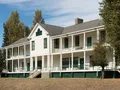
Fort Worden Historical State Park
Historic military fort turned state park on the Strait of Juan de Fuca, offering beaches, trails, and rich Pacific Northwest history.
-
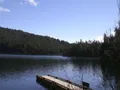
Moran State Park
Orcas Island gem with summit views, forest lakes, waterfalls, and over 38 miles of trails.