
Nevada
Nevada sits in the heart of the American West, bordered by California to the west, Oregon and Idaho to the north, Utah to the east, and Arizona to the southeast. The state is almost entirely within the Basin and Range Province, a vast expanse of alternating mountain ranges and broad desert valleys that give Nevada its strikingly open, rugged character. Two dominant landscapes define the state: the Mojave Desert in the south, one of the hottest and driest regions in North America, and the Great Basin in the north and east, a high cold desert of sagebrush, ancient lakes, and sweeping skies.
Despite its reputation as a landlocked desert, Nevada holds exceptional water-based recreation. Lake Tahoe, straddling the Nevada-California border in the Sierra Nevada, is one of the most celebrated alpine lakes in the world, with crystal-clear water and year-round outdoor opportunities. Lake Mead, formed by Hoover Dam on the Colorado River, is the largest reservoir in the United States by volume and anchors a sprawling national recreation area in the south. Lahontan Reservoir and several smaller lakes and reservoirs scattered across the state round out Nevada’s lakefront offerings.
The state’s travel regions are wonderfully diverse. Southern Nevada centers on Las Vegas and radiates outward to Valley of Fire State Park, Red Rock Canyon, and the Colorado River corridor. Northern Nevada offers the unexpected charms of Reno, the art-meets-wilderness spectacle of the Black Rock Desert, and easy access to Lake Tahoe’s western shores. Eastern Nevada follows the Great Basin Highway through some of the most remote terrain in the lower 48, anchored by Great Basin National Park, home to Lehman Caves and the bristlecone pine forests on Wheeler Peak. The Ruby Mountains, sometimes called the Swiss Alps of Nevada, draw hikers, backpackers, and fly fishers seeking solitude.
Nevada is home to 4 National Park Service units, 27 state parks, and 34 scenic byways, including the iconic Loneliest Road in America (US Route 50) and the historic Las Vegas Strip Byway. The state’s wide range of elevations, from below sea level near the Colorado River to nearly 14,000 feet atop Wheeler Peak, means that diverse ecosystems and microclimates exist within a single day’s drive. Outdoor travelers can move from cactus-studded bajadas to subalpine meadows, encountering petroglyphs, wild horses, dark-sky stargazing sites, and geothermal hot springs along the way.
The best times to visit Nevada depend on where you are headed. Spring and early fall bring mild temperatures and blooming wildflowers to the desert parks of the south, while summer is ideal for the high-country trails of the Great Basin and the beaches of Lake Tahoe. Winter transforms the Sierra Nevada into a premier ski and snowboard destination, and the low-elevation desert parks of the Las Vegas region remain accessible and pleasant through the cooler months. No matter the season, Nevada rewards travelers who venture beyond the neon lights with landscapes of breathtaking scale and silence.
Featured State Parks in Nevada
-

Berlin-Ichthyosaur State Park
A remote Nevada gem preserving a 1890s ghost town and the world's largest ichthyosaur fossil remains.
-
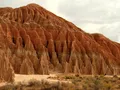
Cathedral Gorge State Park
Otherworldly slot canyons and cathedral-like clay spires in remote southeastern Nevada desert.
-

Sand Harbor
Stunning Lake Tahoe beach park with crystal waters, granite boulders, nature trails, and world-class alpine scenery.
-
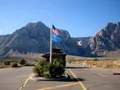
Spring Mountain Ranch State Park
A historic desert ranch nestled beneath vivid red sandstone cliffs near Las Vegas, blending nature and history.
-
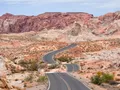
Valley of Fire State Park
Nevada's oldest state park dazzles with crimson sandstone formations, Aztec petroglyphs, and dramatic Mojave Desert scenery.