
Tumalo State Park
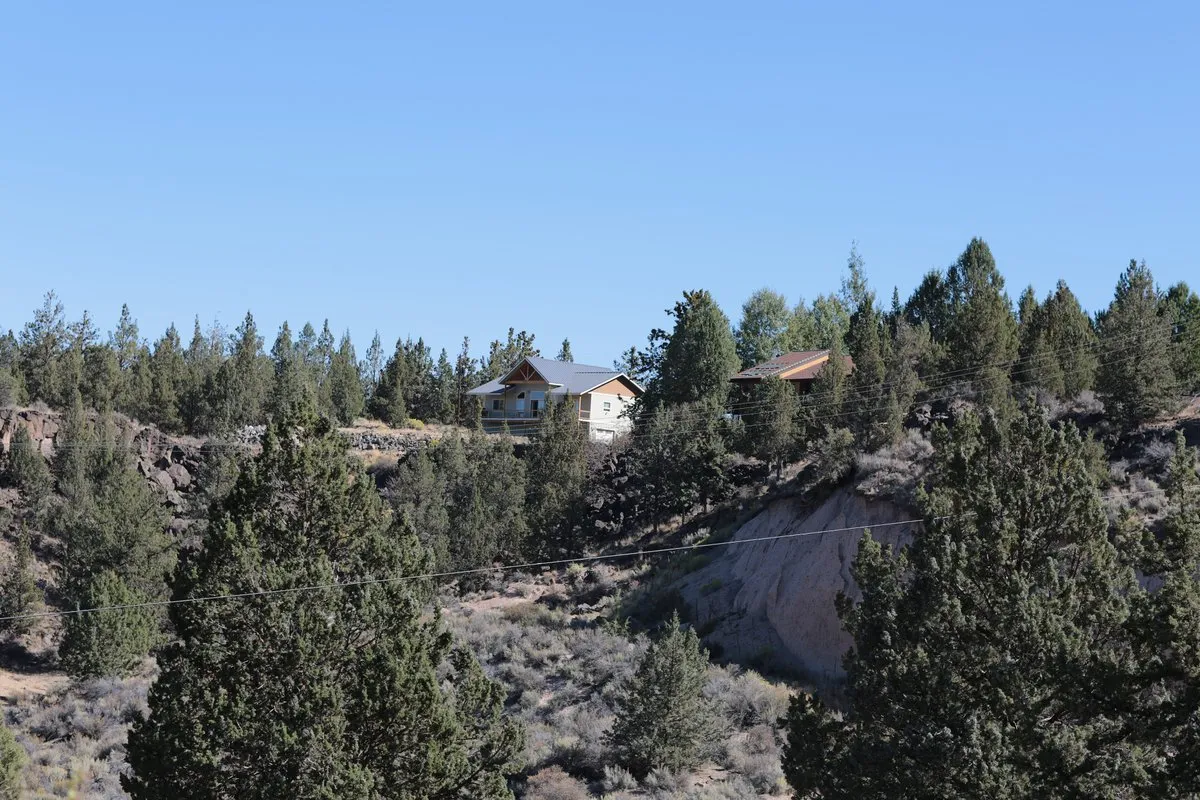
Tumalo State Park sits along the Deschutes River just a few miles northwest of Bend, where the high desert terrain of central Oregon meets the cool, tree-lined banks of one of the state’s most popular rivers. The combination of a reliable water source, dry sunny climate, and easy access from a major city makes this a heavily visited park, particularly from late spring through early fall. It draws campers looking for a base to explore the Bend area, swimmers and waders seeking relief from the summer heat, and families wanting a straightforward outdoor experience without a long drive from town.
The Deschutes River and Swimming
The river is the centerpiece of the park. A wide gravel beach along the Deschutes gives swimmers, waders, and sunbathers a place to spread out, and on hot summer days this stretch of water draws steady crowds. The river runs cold and clear here, fed by snowmelt and springs from the Cascades, which makes it refreshing in July and August when temperatures in Bend regularly climb past 90 degrees. The beach area is the primary reason most day-use visitors make the trip.
A small day-use picnic area sits nearby with tables and shade, making this a workable spot for a full afternoon outing without committing to an overnight stay.
Camping Along the River
Tumalo offers one of the more convenient campgrounds in the Oregon state park system, close enough to Bend to run into town for supplies but far enough to feel removed from the city. The campground includes standard tent sites, full-hookup RV sites, and several cabins that sleep small groups. Most sites are set among juniper trees on terrain that stays dry and open, consistent with the high desert setting.
The campground fills quickly on summer weekends and reservations are strongly recommended from May through September. Campers who secure a site have easy access to the river beach in the morning before day-use crowds arrive, which is one of the better advantages of staying overnight.
Trails and the Surrounding Desert Landscape
A trail follows the river corridor and connects to additional paths in the surrounding area, offering a few miles of walking through the kind of open juniper and sagebrush terrain that characterizes this part of Oregon. The trails are not the main draw here, and serious hikers looking for long routes or dramatic elevation gain will want to look elsewhere in the Bend region. But the flat, accessible paths along the river make for an easy morning walk, and the contrast between the dry uplands and the lush riparian strip along the water is genuinely distinctive.
The park is also used as a staging point by cyclists and trail runners exploring the broader Deschutes River Trail system, which extends considerably beyond the park boundaries.
Pet Policy
Pets are welcome at Tumalo State Park but must be on a leash no longer than six feet at all times. This applies on trails, in the campground, and in day-use areas. Pets are not permitted in the river swim area or in park cabins. Owners are responsible for cleaning up after their animals throughout the park.
Wildlife to Be Aware Of
The Deschutes River presents the most immediate hazard for visitors. Currents can be deceptively strong, particularly during spring and early summer when snowmelt keeps water levels elevated. Children should be supervised closely near the water at all times, and swimmers should avoid venturing too far from shore or toward any section of the river with visible whitewater or channeled flow. Even in the calmer stretches used for swimming, the current can knock over small children without warning.
Rattlesnakes are present in the rocky, warm terrain surrounding the park. They are most active from late spring through early fall and are most likely encountered in areas away from the immediate riverbank, particularly on sunny rocky slopes or in brush. Stick to marked trails, watch where you step and place your hands, and give any snake you encounter plenty of room to move away.
Coyotes are common throughout the area and are not shy around human activity. They have been known to approach campsites, especially at night. Keep food stored securely, do not leave pet food outside, and keep small pets close to you, especially after dark. Do not feed coyotes under any circumstances, as this encourages bolder behavior.
Practical Information
Tumalo State Park is located approximately 5 miles northwest of Bend off U.S. Highway 20. The address is 64120 O.B. Riley Road, Bend, Oregon. Day-use parking requires a $5 permit per vehicle. The annual Oregon Pacific Coast Passport is also accepted. Camping fees vary depending on site type, from standard tent sites to full-hookup RV sites and cabins.
Reservations for campsites and cabins can be made through the Oregon State Parks reservation system at oregonstateparks.org or by calling 1-800-452-5687. The park is open year-round, though the swim beach and peak visitation season run from late May through September. Winter visits are quiet and the campground sees light use, but the river trail remains accessible.
Frequently Asked Questions
Are dogs allowed at Tumalo State Park?
Dogs are welcome throughout the park but must be on a leash no longer than six feet at all times, including on trails, in the campground, and in day-use areas. Pets are not permitted in the river swim area or in park cabins.
What is the entry fee for Tumalo State Park?
Day-use visitors pay a $5 parking permit fee per vehicle, and the annual Oregon Pacific Coast Passport is also accepted. Camping fees vary depending on site type.
Is swimming safe in the Deschutes River at Tumalo State Park?
The river runs cold and clear and draws large crowds on hot summer days, but currents can be deceptively strong, especially during spring and early summer when snowmelt raises water levels. Children should be supervised closely near the water at all times.
Do I need a reservation to camp at Tumalo State Park?
Reservations are strongly recommended from May through September, as the campground fills quickly on summer weekends. The park offers tent sites, full-hookup RV sites, and cabins that sleep small groups.