
Ecola State Park
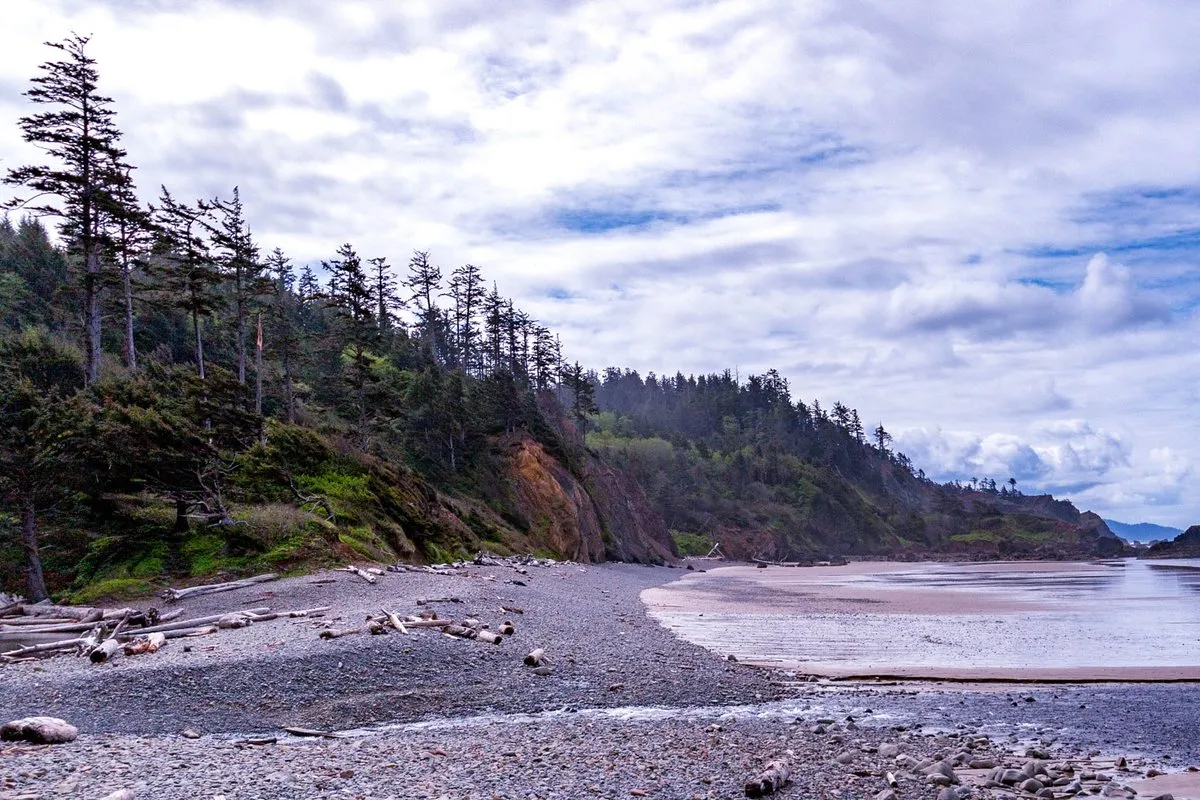
Ecola State Park stretches along nine miles of the northern Oregon coast, beginning just north of Cannon Beach and extending to Seaside. The park is defined by its dramatic headlands, dense Sitka spruce forest, and unobstructed views across the Pacific. From the cliff overlooks, visitors can see the wave-battered Tillamook Rock Lighthouse standing roughly a mile offshore, a decommissioned 1881 structure that remains one of the most recognizable landmarks on the Oregon coast. The combination of accessible coastal trails, active wildlife, and genuine wildness within a short drive of the town below makes this one of the more rewarding state parks on the coast.
Cliff Overlooks and Tillamook Rock Lighthouse Views
The most distinctive experience at Ecola is standing at the headland overlooks and taking in the sweep of coast in both directions. From Ecola Point, the main developed area of the park, visitors get views south toward Haystack Rock and the Cannon Beach shoreline, and a clear sightline to Tillamook Rock Lighthouse to the west. The lighthouse is not accessible to the public, but the view from the bluff is reason enough to make the drive. Bring binoculars. On clear days, the detail visible from the overlook is remarkable, and during whale migration season the same vantage points become ideal watching spots.
Hiking the Clatsop Loop and Indian Beach
Ecola has roughly nine miles of trail, with routes ranging from short walks to the overlook to longer backcountry stretches connecting to Seaside. The most popular hiking destination within the park is Indian Beach, a crescent of sand tucked between headlands that feels genuinely remote despite being reachable by car or a moderate trail from Ecola Point. The beach draws surfers year-round and is a good spot for watching the ocean without the crowds of Cannon Beach below.
The Clatsop Loop Trail runs through old-growth Sitka spruce and offers periodic ocean glimpses through the canopy. It is a good option for visitors who want forest rather than cliff walking. Trail conditions can be muddy in the wet season, which in this part of Oregon runs roughly October through April. Waterproof footwear is worth having on any visit outside of summer.
Roosevelt Elk in the Meadows
Ecola is one of the more reliable places on the northern Oregon coast to see Roosevelt elk. Herds move through the park’s meadows and forest edges, and sightings near the road and trailheads are common, particularly in the early morning and at dusk. The elk are large animals, with bulls reaching over 1,000 pounds, and they are wild. Visitors sometimes underestimate them because they appear calm. Keep a minimum of 50 feet of distance and do not attempt to feed or approach them.
Tide Pools at Indian Beach
The rocky shoreline at Indian Beach and along the headlands exposes tide pools during low tide that are worth exploring. Ochre sea stars, hermit crabs, purple sea urchins, anemones, and various mollusks are common. Check tide tables before visiting. The best pools are accessible during a minus or zero tide, and conditions change quickly. Stay aware of your footing on wet rock and keep one eye on the ocean.
Pet Policy
Leashed pets are allowed in the parking areas and on the beach at Indian Beach. Pets are not permitted on the park’s trails. Leashes must be no longer than six feet. Do not leave animals in vehicles during warm weather.
Wildlife to Be Aware Of
Roosevelt elk are present throughout the park and are frequently seen near meadow edges and trailheads. They are not domesticated and should never be approached or fed. A startled or agitated elk can move quickly and cause serious injury. Observe from a distance and give them space to move.
Sneaker waves are a serious hazard anywhere along the Ecola shoreline. These are unpredictable, larger-than-average waves that strike without warning, even on calm days. They have swept people off rocks and beaches along this stretch of coast. Do not stand on low rocks near the water, do not turn your back to the ocean, and keep children away from the water’s edge.
Gray whales pass through offshore waters during two migration windows each year. Southbound whales travel from December through January, and northbound whales move through from March into May. The headland overlooks at Ecola Point are excellent vantage spots, particularly during the morning hours. Bring binoculars and watch for spouts.
Sea lions and harbor seals haul out on the offshore rocks visible from the overlooks. They are wild animals, and while they are not approachable from land at this park, visitors should avoid any temptation to enter the water near haulout rocks if kayaking or paddling in the area.
Practical Information
Ecola State Park is located off US-101, approximately two miles north of Cannon Beach. The park entrance road begins at the north end of Cannon Beach and climbs through forest to the headland. Cannon Beach is the nearest town with lodging, restaurants, and services.
Day-use entry costs $10 per vehicle. The Oregon State Parks Annual Day-Use Permit ($30) is accepted. There is no overnight camping at Ecola. The park is open year-round, though the access road may close temporarily during severe winter storms. Restrooms are available at Ecola Point and Indian Beach. Reservations are not required for day use. For current road conditions or closures, check the Oregon State Parks website before visiting.
Frequently Asked Questions
Are dogs allowed at Ecola State Park?
Leashed dogs are welcome in the parking areas and on the beach at Indian Beach, but pets are not permitted on any of the park's trails, and leashes must be no longer than six feet.
What is the entry fee for Ecola State Park?
Day use entry costs $10 per vehicle, and the $30 annual Oregon State Parks Day-Use Permit is also accepted.
Can you see whales from Ecola State Park?
Gray whales are visible from the cliff overlooks during their migration, with southbound whales passing December through January and northbound whales passing March through May.
Can you see Roosevelt elk at Ecola State Park?
Roosevelt elk herds move through the park's meadows and forest edges regularly, with sightings near the road and trailheads most common in the early morning and at dusk, though visitors should keep a minimum of 50 feet of distance from the animals.
When is the best time to see the tide pools at Indian Beach?
The tide pools at Indian Beach are most rewarding during a minus or low tide, when the rocky intertidal zone exposes ochre sea stars, hermit crabs, mussels, and mollusks. NOAA tide predictions for the Cannon Beach area show the best low-tide windows before your visit.