
New Mexico
New Mexico sits in the heart of the American Southwest, a landlocked state of breathtaking geographic diversity. Stretching from the high-desert plains of the east to the towering peaks of the Sangre de Cristo Mountains in the north, and from the volcanic mesas of the northwest to the sun-scorched Chihuahuan Desert in the south, the state delivers dramatic contrasts within a single journey. Its elevation ranges from roughly 2,800 feet in the lowest river valleys to over 13,000 feet at Wheeler Peak, the state’s highest point.
New Mexico shares borders with Colorado to the north, Oklahoma and Texas to the east, Texas and the Mexican states of Chihuahua and Sonora to the south, and Arizona to the west. Utah touches its northwest corner at the famous Four Corners point. The state has no ocean coastline, and while natural lakes are few, the Rio Grande and its tributaries carve dramatic corridors through the landscape, supporting riparian wildlife and some of the most scenic river valleys in the country.
The state is renowned for an extraordinary concentration of cultural and natural landmarks. White Sands National Park preserves the world’s largest gypsum dune field, while Carlsbad Caverns National Park shelters one of the most spectacular cave systems in North America. Chaco Culture National Historical Park and Taos Pueblo, a UNESCO World Heritage Site, speak to New Mexico’s deep Native American heritage. The state capital, Santa Fe, is one of the oldest continuously inhabited cities in the United States and is internationally recognized for its distinctive adobe architecture, world-class galleries, and vibrant culinary scene.
Travel in New Mexico naturally divides into several distinctive regions. Northern New Mexico clusters around Santa Fe and Taos, offering art, history, and mountain adventure. The Rio Grande Valley anchors Albuquerque, the state’s largest city and home to the famous International Balloon Fiesta. The southeast is defined by the Chihuahuan Desert, the otherworldly white sands of the Tularosa Basin, and the cave wonders near Carlsbad. The rugged southwest harbors the Gila Wilderness, the first designated wilderness area in the United States. The northwest, near Gallup and the Four Corners, is rich in ancient Ancestral Puebloan archaeology and the dramatic red-rock landscapes shared with Arizona.
Spring and fall are the premier seasons for visiting New Mexico. Mild temperatures, blooming desert flora, and lighter crowds make March through May and September through November ideal for hiking, road trips, and cultural exploration. Summer draws visitors to the cooler northern mountains but brings intense heat to the low deserts. Winter opens world-class ski terrain at resorts near Taos and Santa Fe and offers a quieter, more intimate experience in many of the state’s historic towns.
Featured State Parks in New Mexico
-
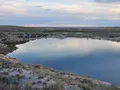
Bottomless Lakes State Park
New Mexico's oldest state park, featuring vivid sinkhole lakes, red bluffs, swimming, camping, and birding near Roswell.
-
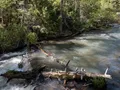
Cimarron Canyon State Park
A narrow, wooded canyon with sheer granite cliffs, trout-filled rivers, waterfalls, and trails in northern New Mexico.
-
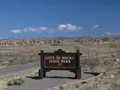
City of Rocks State Park
Wander a maze of ancient volcanic boulders, stargaze under dark skies, and camp among desert wildlife in southwest New Mexico.
-
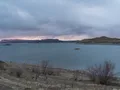
Elephant Butte Lake State Park
New Mexico's largest state park, a 36,500-acre desert reservoir prized for boating, fishing, and camping.
-
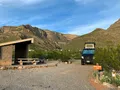
Oliver Lee Memorial State Park
Rugged canyon hiking, desert camping, and a restored 19th-century ranch at the foot of the Sacramento Mountains.