
Arizona
Arizona occupies the southwestern corner of the contiguous United States, bordered by California and Nevada to the west, Utah to the north, Colorado to the northeast, New Mexico to the east, and the Mexican states of Sonora and Baja California to the south. The state spans five distinct geographic zones, ranging from low Sonoran Desert basins near sea level to sky island mountain ranges topping 9,000 feet, making it one of the most ecologically diverse states in the nation. This dramatic vertical range means travelers can move from giant saguaro cactus forests to cool ponderosa pine forests within just a few hours of driving.
Arizona does not have an ocean coastline, but it is far from landlocked when it comes to water recreation. Lake Powell on the Utah border, Lake Havasu along the California state line, and Lake Mead shared with Nevada offer boating, paddling, and shoreline camping on a grand scale. Several state park lakes, including Patagonia Lake and Alamo Lake, round out freshwater recreation options. The Colorado River traces much of Arizona’s western boundary, providing world-class whitewater rafting through the Grand Canyon.
The state’s major travel regions each offer a distinct character. Grand Canyon Country in the north is anchored by one of the seven natural wonders of the world and draws millions of visitors annually. Sedona and the Verde Valley offer iconic red rock scenery, spiritual retreats, and some of the best hiking in the Southwest. The Phoenix metropolitan area serves as the commercial and cultural hub, ringed by desert preserves and easily accessible trailheads. Southern Arizona, centered on Tucson, blends Sonoran Desert ecology with Spanish colonial history, sky island biodiversity, and the towering saguaros of Saguaro National Park. The Navajo and Hopi Nations in the northeast cover a vast plateau landscape punctuated by Monument Valley’s sandstone buttes and Antelope Canyon’s luminous slot-canyon passages.
With 22 National Park Service sites, 33 state parks, and 28 scenic byways, Arizona offers an extraordinary density of protected and celebrated landscapes. The state’s ancient Native American heritage, including cliff dwellings at Montezuma Castle and petroglyphs throughout the desert, adds deep cultural layers to an already rich outdoor experience. Historic Route 66 cuts across the northern portion of the state, delivering nostalgia and dramatic high-desert scenery in equal measure.
Spring and fall are the prime travel seasons for most of Arizona, when daytime temperatures are comfortable for hiking, cycling, and sightseeing throughout the desert lowlands and canyon country. Summer brings intense heat below 4,000 feet but rewards visitors willing to seek higher elevations in the White Mountains or along the Mogollon Rim with cool, forested retreats. Winter is mild and sunny across the desert south and offers a quieter experience at iconic sites like the Grand Canyon South Rim, where snow-dusted canyon views can be extraordinarily scenic.
Featured State Parks in Arizona
-
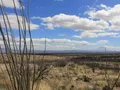
Kartchner Caverns State Park
A world-class living cave featuring stunning speleothems, desert hiking trails, and campgrounds in southern Arizona.
-
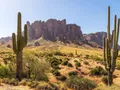
Lost Dutchman State Park
Desert park at the foot of the Superstition Mountains offering dramatic hiking, camping, and Sonoran Desert scenery.
-
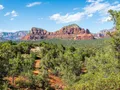
Red Rock State Park
A nature preserve near Sedona featuring red rock trails, Oak Creek riparian habitat, and abundant wildlife.
-
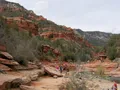
Slide Rock State Park
A beloved Sedona gem featuring a natural Oak Creek water slide, red rock scenery, and a historic apple ranch.
-
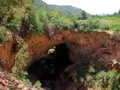
Tonto Natural Bridge State Park
Home to the world's largest natural travertine bridge, tucked inside a stunning Arizona canyon.