
Elephant Butte Lake State Park
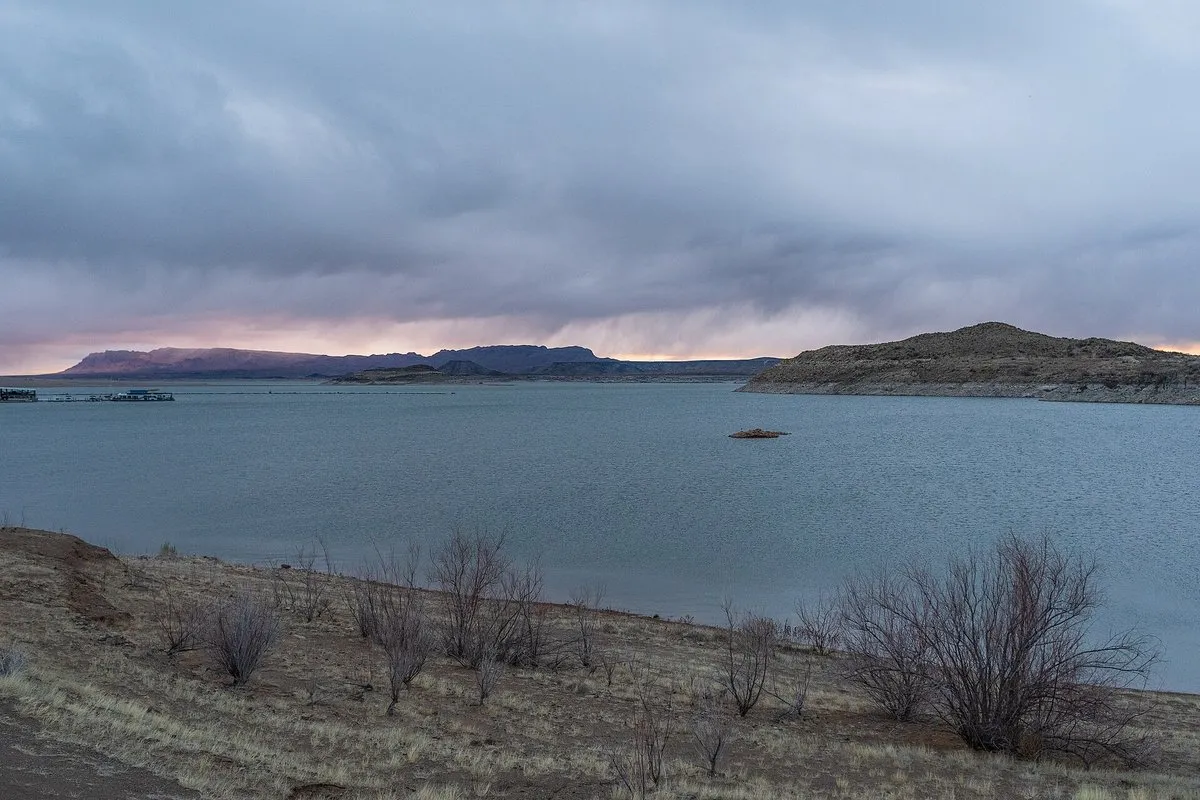
Elephant Butte Lake State Park is centered on a reservoir that spans roughly 36,000 to 36,500 acres at or near full pool, with the park’s land area commonly listed at about 24,500 acres, making it one of the largest state parks in New Mexico. The park takes its name from a volcanic rock formation rising from the lake that resembles an elephant’s back, and that landmark gives the place much of its visual character. The reservoir itself was created by Elephant Butte Dam on the Rio Grande, completed in 1916, and the combination of open water in the middle of the Chihuahuan Desert draws visitors from across the Southwest, particularly during the long, hot summers when the lake becomes a genuine destination for boaters, anglers, and swimmers.
Boating and Water Sports on the Reservoir
The lake is the main event here, and boating is the reason most people make the drive. With roughly 200 miles of shoreline and water surface that can stretch more than 40 miles in length at full pool, there is room for everything from bass fishing boats to sailboats to personal watercraft. The park has multiple boat ramps that provide access to the water, and a full-service marina offers fuel, rentals, and supplies. Water skiing, wakeboarding, and tubing are all common on the open stretches of the lake, and sailing is particularly well suited to the reservoir given the consistent desert winds that move through the valley. Swimmers use the designated beach areas, which fill up quickly on summer weekends.
Fishing the Rio Grande Reservoir
Fishing draws a dedicated crowd throughout the year and is one of the park’s most consistent activities beyond peak summer season. The reservoir holds white bass, largemouth bass, striped bass, walleye, and catfish, and the striper fishery in particular has a strong regional reputation. Spring and fall offer some of the most productive conditions, especially for bass, while catfish anglers tend to do well through the summer. A valid New Mexico fishing license is required for anglers age 12 and older, unless an exemption applies. The park does not provide gear rentals, so visitors should come prepared.
Camping Along the Shoreline
The park offers a substantial range of camping options spread across several developed areas, including sites with electric hookups, water connections, and full RV hookups, as well as more basic tent sites closer to the water. Rock Canyon and South Monticello Point are among the more popular camping areas, with sites that provide direct lake access. Shaded sites are limited given the desert terrain, so shade structures and tarps are worth bringing. Facilities in the developed areas include restrooms and dump stations. The campground fills quickly on holiday weekends from Memorial Day through Labor Day, and reservations are strongly recommended during those periods.
The Desert Landscape and Surrounding Terrain
Away from the water, the park sits in open desert terrain with low scrub vegetation, volcanic rock formations, and wide views across the reservoir and the surrounding mountains. The landscape is stark and largely undeveloped, which is part of the appeal for visitors who want a different experience than forested mountain parks. The park has official trails, including the West Lakeshore Trail and about 15 miles of listed trail opportunities, and the shoreline and rocky outcroppings invite further exploration on foot. Temperatures in summer regularly exceed 100 degrees Fahrenheit, and there is almost no natural shade, so any time spent away from the water requires preparation for heat.
Pet Policy
Pets are allowed in most outdoor areas, including campgrounds and beach areas where not otherwise posted, but not inside visitor centers except for service animals. All pets must be kept on a leash no longer than ten feet at all times. Pet owners are responsible for cleaning up after their animals. Given the presence of wildlife including coyotes and rattlesnakes, keeping pets leashed and close is both a rule and a genuine safety measure, especially at dawn, dusk, and after dark.
Wildlife to Be Aware Of
Rattlesnakes are present throughout the park, particularly in the rocky terrain along the shoreline and in areas of desert scrub. They are most active during warm months, roughly April through October, and are more likely to be encountered in the early morning and evening when temperatures are cooler. Watch where you step and where you place your hands, and give any snake you spot a wide berth.
Scorpions are common in the area and tend to hide in cool, dark spaces during the day. Before putting on shoes or sandals that have been left out overnight, shake them out. The same applies to sleeping bags, towels, and any gear left on the ground. Scorpions occur throughout this region, and shaking out shoes, bedding, and gear left on the ground is a habit worth keeping for the duration of your stay.
Coyotes are regularly seen near campgrounds, particularly at night. They are attracted by food scraps and unsecured garbage. Store all food in hard-sided containers or in your vehicle, and do not leave pet food outside. Small pets are especially vulnerable and should not be left unattended.
On the water, strong winds and sudden desert storms present a serious hazard for boaters. Conditions can change quickly in the open reservoir environment, and afternoon thunderstorms are common during monsoon season from July through September. Check weather forecasts before heading out, watch the horizon, and return to shore well before a storm arrives.
Practical Information
Elephant Butte Lake State Park is located near the town of Elephant Butte, New Mexico, approximately five miles north of Truth or Consequences on Interstate 25. Take Exit 83 and follow the signs to the park entrance. Truth or Consequences is the closest town with full services including gas, groceries, and lodging. Day-use fees are $5 per vehicle for New Mexico residents and $10 per vehicle for non-residents, and New Mexico residents are exempt from day-use fees from October 1 through April 30. Camping fees vary depending on site type. Check the official New Mexico State Parks page for current camping rates and annual pass options. The park is open year-round, though services are reduced in winter. Summer weekends are extremely busy and reservations for campsites are recommended well in advance.
Frequently Asked Questions
What is the entry fee for Elephant Butte Lake State Park?
The day-use entry fee is $5 per vehicle, with camping fees that vary by site type. Current camping rates and annual pass options are available on the official New Mexico State Parks page.
Are dogs allowed at Elephant Butte Lake State Park?
Pets are welcome throughout the park, including on the beach and in campgrounds, but must be kept on a leash no longer than ten feet at all times. Given the presence of rattlesnakes and coyotes, keeping pets leashed and close is especially important at dawn, dusk, and after dark.
What is the best time of year to visit Elephant Butte Lake State Park?
Summer is the busiest season when the lake draws boaters, swimmers, and anglers, though spring and fall offer some of the most productive fishing conditions and more moderate temperatures. The park is open year-round, though services are reduced in winter.
What kind of fish can you catch at Elephant Butte Lake?
The reservoir holds white bass, largemouth bass, striped bass, walleye, and catfish, with the striper fishery holding a particularly strong regional reputation. A valid New Mexico fishing license is required for anyone over the age of twelve, and the park does not provide gear rentals.