
Texas
Texas is the second-largest state in the United States by both area and population, stretching across more than 268,000 square miles in the south-central part of the country. Its sheer size means the state spans multiple distinct geographic zones, from the humid Piney Woods of the east to the stark Chihuahuan Desert of the west, and from the rolling prairies of the north to the subtropical tip of the Rio Grande Valley. Few states can claim such a dramatic range of terrain within their borders.
Texas shares borders with New Mexico to the west, Oklahoma to the north, Arkansas and Louisiana to the east, and the Gulf of Mexico forms its southeastern shoreline. The Rio Grande forms the entire southern boundary with Mexico, passing through some of the most remote and visually stunning landscape in North America, including the canyons and mountains of Big Bend. The state’s roughly 370 miles of Gulf Coast shoreline include barrier islands, estuaries, and productive wildlife habitat that draws birders and beach travelers alike.
The state is organized into seven major natural travel regions: Big Bend and West Texas, the Texas Hill Country, the Gulf Coast, the Piney Woods and East Texas, the Panhandle Plains, the South Texas Plains, and the Prairies and Lakes region that encompasses the Dallas-Fort Worth metroplex and surrounding areas. Each region offers a fundamentally different outdoor experience, whether it is canyon hiking in Palo Duro, paddling the cypress-lined channels of Caddo Lake, spotting rare birds along the World Birding Center corridor, or riding horseback through the limestone hills of the Hill Country.
Major attractions for outdoor travelers include Big Bend National Park, one of the least-visited but most spectacular national parks in the country, the Guadalupe Mountains with the highest peak in Texas, and Padre Island National Seashore, the longest undeveloped barrier island in the United States. The Texas Parks and Wildlife Department manages 89 state parks, historic sites, and natural areas covering more than 640,000 acres, offering camping, hiking, swimming, fishing, and paddling across every region of the state.
Spring is widely considered the best time to visit Texas, when bluebonnets and other wildflowers blanket roadsides and meadows and temperatures remain comfortable statewide. Fall offers another ideal window for outdoor travel, particularly in the mountains and canyons of West Texas. Summers can be brutally hot in inland and western regions, but the Gulf Coast, state park swimming holes, and shaded Piney Woods trails remain popular throughout the warmer months. Mild winters make South Texas and the coast attractive year-round destinations.
Featured State Parks in Texas
-
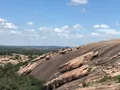
Enchanted Rock State Natural Area
A towering pink granite dome in the Texas Hill Country, perfect for hiking, rock climbing, camping, and stargazing.
-
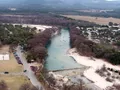
Garner State Park
Classic Hill Country escape along the Frio River with swimming, hiking, caves, and beloved group camping.
-
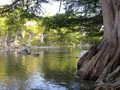
Guadalupe River State Park
Hill Country gem with cypress-lined river swimming, scenic hiking trails, and riverside camping near San Antonio.
-
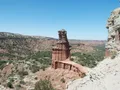
Palo Duro Canyon State Park
Texas's 'Grand Canyon' dazzles with towering red cliffs, colorful rock layers, and miles of scenic desert trails.
-
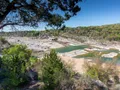
Pedernales Falls State Park
Stunning tiered waterfalls, rugged Hill Country hiking trails, and riverside camping west of Austin.