
Cathedral Gorge State Park
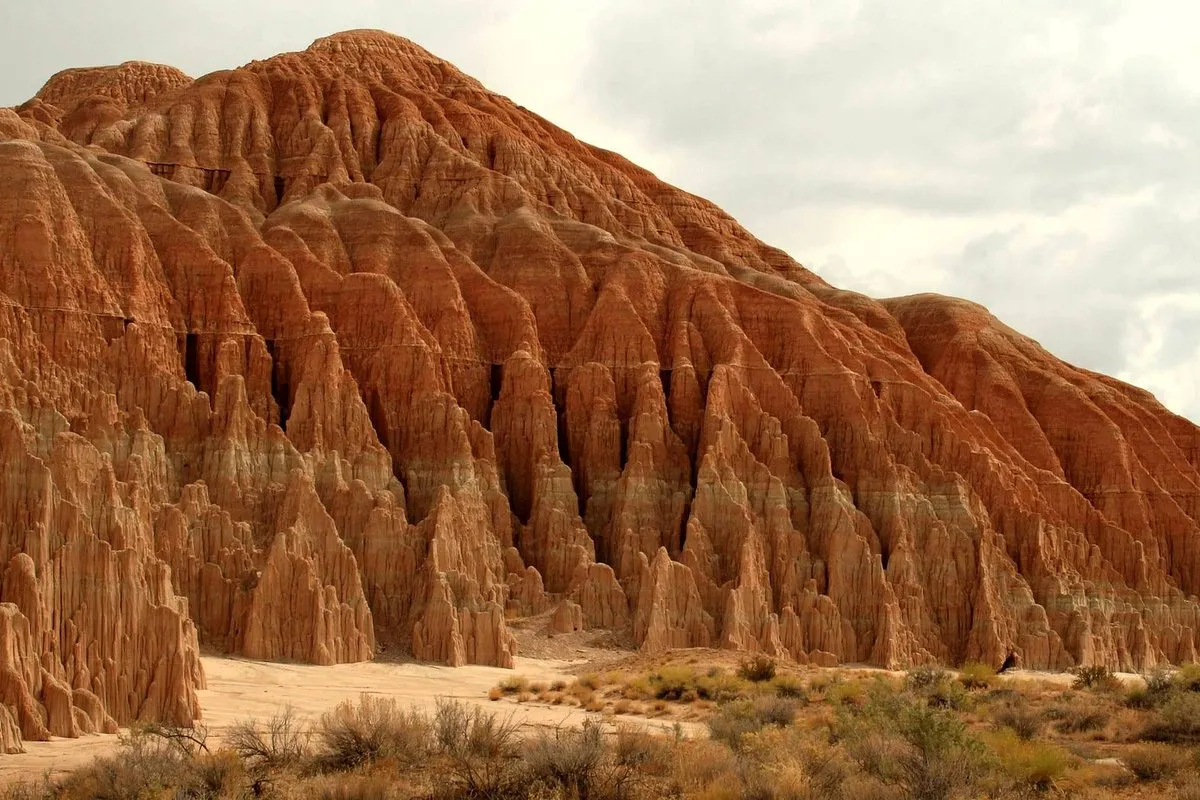
Cathedral Gorge State Park occupies a remote stretch of southeastern Nevada where centuries of erosion have carved a maze of narrow slot canyons and towering clay spires from the soft bentonite lakebed of an ancient Pliocene lake. Located in Panaca Valley near the small town of Panaca, the park draws visitors who want to experience a landscape that looks genuinely unlike anywhere else in the American West. The formations are fragile, the silence is profound, and the surrounding high desert adds to a sense of complete isolation from the modern world.
The Clay Formations and Slot Canyons
The park’s defining feature is its collection of eroded bentonite clay formations, which range from tall cathedral-like spires to narrow canyon passages barely wide enough for a single person to pass through. The clay erodes quickly during rain events, which is what has produced the intricate texture and variety of shapes throughout the gorge. Visitors can walk directly into many of the slot canyons, running their hands along smooth canyon walls and looking up through openings to narrow strips of sky above. The formations are at their most dramatic in early morning and late afternoon light, when shadows cut sharply across the spires and the pale clay takes on warm amber tones. Because the bentonite is soft and unstable, visitors should stay on marked paths and avoid climbing on the formations. Flash flooding is a real risk in the canyons during and after rainstorms.
Hiking the Gorge
Several trails wind through and around the formations, ranging from short walks to longer loops that offer elevated views over the entire valley. The main gorge trail is accessible and relatively flat, making it suitable for most visitors. The Miller Point Trail is a one-mile moderate route with stairs climbing to Miller Point, where hikers are rewarded with panoramic views of the spire field below and the surrounding desert. Total trail mileage in the park is modest, so most visitors can cover the primary routes in a half day. There are no technical routes or maintained backcountry trails, which keeps the experience focused on the geological spectacle rather than endurance hiking.
Stargazing and Night Skies
Cathedral Gorge is recognized as one of the darker sky locations in Nevada, sitting far from any significant urban light pollution. On clear nights, the Milky Way is visible with the naked eye, and the silhouettes of the clay spires against a star-filled sky create an atmosphere that draws dedicated astronomers and casual visitors alike. The park offers ranger-led programs; check with park staff or the information kiosks for current scheduling. The open picnic areas and campground provide good vantage points away from any artificial light sources. Nights can turn cold quickly even in summer at this elevation, so bring layers if you plan to stay out after dark.
Camping at Cathedral Gorge
The park has a developed campground with 22 sites, each equipped with a table, grill, and shade ramada. Some sites include electrical hookups. The campground offers restrooms with showers and a dump station. Reservations are recommended, particularly on spring and fall weekends when the moderate temperatures attract the most visitors. Summer camping is possible but heat during the day can be significant, so plan outdoor activity for the early morning or evening hours. Winter camping is available and the cold months bring dramatically fewer visitors, giving the gorge an especially remote and quiet character.
Pet Policy
Pets are welcome at Cathedral Gorge State Park and must be kept on a leash no longer than six feet at all times. This applies to trails, the campground, and all other areas within the park. Pets may not be left unattended at campsites or in vehicles in warm weather. Owners are responsible for cleaning up after their animals.
Wildlife to Be Aware Of
Great Basin rattlesnakes are common throughout the park and are most frequently encountered on rocky trails and along canyon walls during the warmer months from spring through early fall. Watch where you step and where you place your hands, particularly when scrambling near rocks or entering shaded crevices. Give any snake you encounter plenty of space and do not attempt to handle or relocate it.
Scorpions are present across the desert terrain and are most active at night. Before putting on shoes, boots, or clothing that has been left on the ground or in an open bag, shake them out thoroughly. Check inside sleeping bags and gear as well, especially if items have been stored on the ground near the canyon walls.
Black widow spiders favor the same shaded, sheltered spots that make the clay formations so interesting to explore. Check inside hollow areas, under rocks, and in any dark recesses before reaching in blindly. Their bites are rarely fatal to healthy adults but do require medical attention.
Coyotes are active throughout the park, particularly at dawn and dusk. They are curious and have learned to associate campgrounds with food. Store all food in hard-sided containers or your vehicle, dispose of waste properly, and do not feed or approach any coyote you encounter.
Practical Information
Cathedral Gorge State Park is located off US-93 approximately one mile north of Panaca, Nevada. Panaca is the closest town and has limited services. The nearest larger community is Caliente, about 15 miles south. The park entrance fee is $5 per vehicle for Nevada residents and $10 per vehicle for non-residents. Annual Nevada State Parks passes are accepted. Camping fees are $15 per vehicle per night for Nevada residents and $20 per vehicle per night for non-residents, with an additional $10 for sites with utility hookups. Reservations can be made through the Nevada State Parks reservation system. The park is open year-round, and the visitor center is open from 9 a.m. to 4:30 p.m. daily, with reduced hours around holidays in the winter months. Spring and fall offer the most comfortable temperatures for hiking. Summer afternoons can be extremely hot, and afternoon thunderstorms in July and August can produce flash flooding in the canyons with little warning.
Frequently Asked Questions
How much does it cost to enter Cathedral Gorge State Park?
Cathedral Gorge State Park charges a $7 per vehicle day-use fee, and an annual Nevada State Parks pass is also available for frequent visitors. Camping fees are additional, and reservations are strongly recommended, especially on spring and fall weekends.
Are dogs allowed at Cathedral Gorge State Park?
Pets are welcome at Cathedral Gorge State Park, though visitors should be aware that the rocky canyon areas and desert terrain are home to rattlesnakes, scorpions, and black widow spiders that can pose a risk to animals. Always check gear and watch the trail carefully, particularly in warmer months.
Can you walk inside the slot canyons at Cathedral Gorge?
Visitors can walk directly into many of the slot canyons, passing through passages barely wide enough for a single person and looking up through narrow openings to strips of sky above. Because the bentonite clay is soft and unstable, visitors should stay on marked paths and avoid climbing on the formations.
Is Cathedral Gorge good for stargazing?
Cathedral Gorge is recognized as one of the darker sky locations in Nevada, sitting far from significant urban light pollution, and on clear nights the Milky Way is visible with the naked eye. The open picnic areas and campground provide good vantage points, though temperatures can drop quickly after dark even in summer, so bringing layers is recommended.