
Michigan
Michigan occupies a distinctive position in the American Midwest, divided into two separate land masses known as the Upper Peninsula and the Lower Peninsula and connected by the iconic Mackinac Bridge. The state is bordered by Indiana and Ohio to the south and Wisconsin to the west, and shares water boundaries with Illinois and Minnesota to the northwest. No point in Michigan is more than 85 miles from one of the Great Lakes, and the state claims more than 3,000 miles of freshwater coastline along Lakes Superior, Michigan, Huron, and Erie, the longest freshwater coastline of any state in the nation.
The Upper Peninsula is a rugged, heavily forested wilderness that feels worlds apart from the rest of the Midwest. Here, visitors find Pictured Rocks National Lakeshore with its vivid mineral-stained sandstone cliffs rising above Lake Superior, the remote island backcountry of Isle Royale National Park, and the cascading Tahquamenon Falls. The Porcupine Mountains shelter one of the largest relatively undisturbed northern hemlock-hardwood forests west of the Adirondacks. The Lower Peninsula blends lakeside resort towns, rolling dunes, and productive farmland, with Sleeping Bear Dunes National Lakeshore drawing visitors to towering sand hills that overlook Lake Michigan.
Michigan’s major travel regions span a wide range of landscapes and experiences. Lake Michigan shoreline communities such as Traverse City and Saugatuck are known for wineries, beaches, and scenic byways. Metro Detroit anchors the southeast with world-class museums, a dynamic food scene, and proximity to the Detroit River International Wildlife Refuge. The Thumb region offers quiet lakeside character, while Central Michigan provides access to state forests and inland lakes popular with anglers and paddlers.
The state hosts six National Park Service units including two celebrated national lakeshores, one remote island national park, a national historical park honoring the copper mining heritage of the Keweenaw Peninsula, a national battlefield park, and a segment of the North Country National Scenic Trail. Michigan’s 103 state parks and recreation areas stretch across both peninsulas, and 22 designated scenic byways wind through forests, along shorelines, and past historic landmarks.
The best time to visit Michigan for outdoor adventures is late spring through early fall, with summer offering warm Great Lakes beach weather and full access to water trails and campgrounds. Fall color season from late September through mid-October transforms both peninsulas into a vivid tapestry of red, orange, and gold, drawing visitors to scenic drives and overlooks statewide. Winter brings a quieter but rewarding season, especially in the Upper Peninsula where world-class snowmobile trails, cross-country ski routes, and ice fishing draw cold-weather enthusiasts.
Featured State Parks in Michigan
-
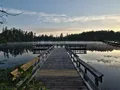
Hartwick Pines State Park
Michigan's largest old-growth white pine forest with hiking, camping, and a fascinating logging heritage museum.
-
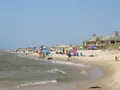
Ludington State Park
Pristine Lake Michigan beaches, sweeping sand dunes, and a historic lighthouse await at Ludington State Park.
-

Porcupine Mountains Wilderness State Park
Michigan's largest state park, featuring old-growth forest, Lake of the Clouds, and 90+ miles of backcountry trails.
-
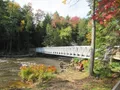
Tahquamenon Falls State Park
Iconic Upper Peninsula waterfall park with old-growth forest, river trails, and year-round camping near Paradise, Michigan.
-
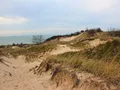
Warren Dunes State Park
Massive Lake Michigan sand dunes, wide beaches, and forested hiking trails in southwest Michigan.