
Porcupine Mountains Wilderness State Park
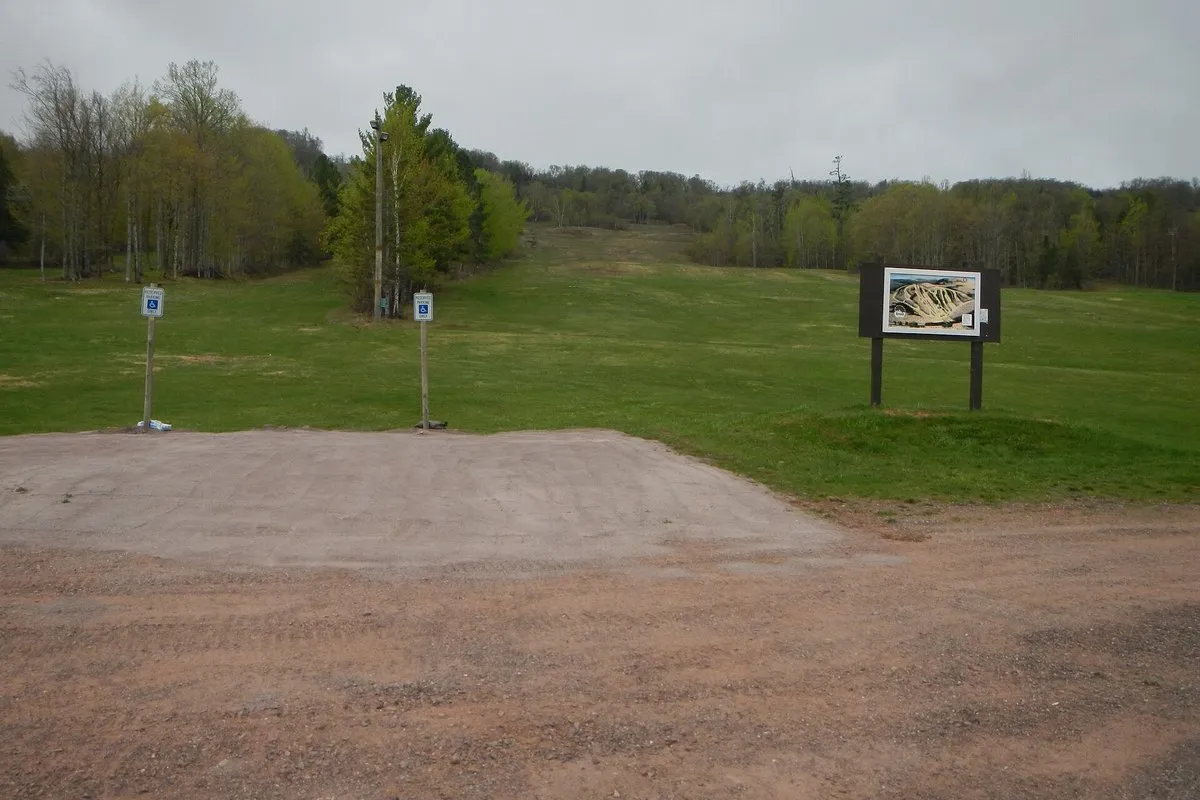
Porcupine Mountains Wilderness State Park covers nearly 60,000 acres in Michigan’s Upper Peninsula, making it the largest state park in the state. It stretches along the southern shore of Lake Superior in Ontonagon and Gogebic counties, anchored by an ancient landscape that has remained largely undisturbed for centuries. What sets the Porkies apart from most Midwest parks is the presence of one of the largest remaining tracts of old-growth northern hardwood and hemlock forest in North America, a forest that has never been logged. Combined with dramatic ridgelines, wild rivers, interior lakes, and more than 90 miles of backcountry trails, this park draws serious hikers, backpackers, and wilderness campers who want something closer to true backcountry than most state parks can offer.
Lake of the Clouds and the Escarpment
One of the most visited features in the park is Lake of the Clouds, a long, still lake framed by forested ridges that can be reached by a short walk from a paved overlook parking area. The view is genuinely striking, especially in autumn when the surrounding hardwoods turn. But the overlook is only the beginning. The Lake of the Clouds Escarpment Trail runs along the ridge above the lake and connects into the broader trail network, giving hikers a route that combines the iconic view with miles of quieter forest walking. For many visitors, this is the introduction to the park. For those willing to go further, it becomes a jumping-off point into the interior.
Old-Growth Forest and Backcountry Trails
The trail system here is extensive and, in places, genuinely remote. Routes like the Big Carp River Trail and the Little Carp River Trail wind through old-growth hemlocks and hardwoods where the canopy closes overhead and the understory stays open and dim. The Union Spring Trail leads to a natural spring. The Presque Isle River corridor on the park’s western edge features a series of waterfalls and cascades accessible by a short loop trail, making it one of the more rewarding day-hike destinations for visitors who don’t want to commit to overnight travel.
Backpackers can string together multi-day loops using a combination of river trails, ridge trails, and connector routes. The park maintains a system of backcountry cabins, wilderness yurts, and designated primitive campsites at intervals throughout the interior, available by reservation. These fill early, particularly for fall color weekends, so planning ahead is important. Tent camping is permitted only at designated, site-specific backcountry campsites with a permit.
Camping and Cabins
The park has one modern campground, Union Bay, with electrical hookups and shower facilities suited to RV and car camping, plus the rustic Presque Isle campground, which has no electric hookups or modern restrooms. Backcountry options include the reservable cabins, which sleep between two and eight people and are stocked with basic equipment, along with wilderness yurts and designated backcountry campsites. Backcountry camping and lodging reservations can be made through MiDNRReservations.com or by phone, and backcountry campers obtain permits at check-in. Demand for the lakeside cabins is especially high during summer and fall, and reservations open up to six months in advance.
Winter Recreation
The Porkies have a legitimate winter season that draws a separate crowd of visitors. The park grooms cross-country ski trails through the interior, and some cabins and yurts remain open and reservable year-round, making winter cabin trips a popular option. Snowshoeing on ungroomed trails is permitted throughout the backcountry. Snowfall in the Upper Peninsula is substantial and reliable, and the old-growth forest takes on a different character under snow cover. Visitors should be prepared for cold temperatures and limited services. The visitor center is closed from mid-October through mid-May, with winter check-in handled at park headquarters.
Pet Policy
Pets are allowed in the park but must be on a leash no longer than six feet and under control. They are permitted on trails and in campgrounds except where posted, such as designated swim beaches. Pets are not allowed inside park buildings, though designated pet-friendly lodging is available. Most backcountry rustic cabins and wilderness yurts accept pets, with limits, fees, and a few exceptions. Given the wildlife present throughout the park, including bears and wolves, keeping pets leashed and under control is both a rule and a genuine safety concern.
Wildlife to Be Aware Of
Black bears are common throughout the Porcupine Mountains and should be expected in any area of the park. Most established wilderness campsites have bear poles for hanging food bags and other scented items, and all food, scented items, and trash must be stored properly when not in use. Do not leave food in tents or unsecured in vehicles with windows down. If you encounter a bear on the trail, give it space, do not run, and make noise to help it locate you and move away.
Gray wolves are present in the park and surrounding Upper Peninsula landscape. Wolf sightings are uncommon, but wolves are part of the park’s wildlife community. If you encounter a wolf, maintain your distance and do not approach. Wolves in the Porkies are not habituated to people, and most sightings are brief.
No venomous snakes are found in the Upper Peninsula. Timber rattlesnakes do not live here, and the eastern massasauga, Michigan’s only venomous snake, has no confirmed presence in this part of the state. You may still see nonvenomous snakes along rocky outcrops and sun-exposed trail edges, so watch where you place your feet and hands, especially when scrambling over rocks or stepping over logs.
Deer ticks are active in wooded and grassy areas throughout the warmer months and can carry Lyme disease. Wear long pants tucked into socks when hiking, use insect repellent, and do a full tick check after every outing. Prompt removal reduces transmission risk significantly.
Practical Information
Porcupine Mountains Wilderness State Park is located at 33303 Headquarters Road in Ontonagon, Michigan. The nearest town is Silver City, a small community at the park’s eastern edge roughly two miles from the main visitor center. From Wakefield or Ironwood to the south, the park’s western side is reached via US-2 or M-28 to County Road 519. The eastern side and visitor center are reached via M-28 or US-45 to M-64 north.
Entry requires a Michigan Recreation Passport. For Michigan-registered vehicles, the pass is $15 per year when purchased with license plate registration renewal, or $20 if purchased separately. Non-Michigan-registered vehicles pay $42 annually or $12 per day. The visitor center, located near the Lake of the Clouds access road, has trail maps, staff assistance, and exhibit space covering the park’s ecology and history. The park is open year-round, though some roads and facilities are seasonal. Fall color typically peaks in early to mid-October and brings the highest visitation of the year.
Frequently Asked Questions
How much does it cost to enter Porcupine Mountains Wilderness State Park?
Entry requires a Michigan Recreation Passport, which costs $13 per year for residents and $34 per year for non-residents, and daily vehicle permits are also available at the gate for those who prefer not to purchase an annual pass.
Can you see Lake of the Clouds without hiking?
Lake of the Clouds is accessible by a short walk from a paved overlook parking area, making it reachable for visitors who are not looking for a strenuous hike, though the Escarpment Trail along the ridge above the lake offers a much longer wilderness experience for those who want to continue.
How do I reserve a backcountry cabin or campsite at the Porkies?
Backcountry cabins, wilderness yurts, and designated primitive campsites can be reserved through MiDNRReservations.com or by phone, with reservations opening up to six months in advance, and demand is especially high for lakeside cabins during summer and fall color weekends.
Are there dangerous animals at Porcupine Mountains Wilderness State Park?
The park is home to black bears, a resident gray wolf pack, timber rattlesnakes on rocky outcrops and sunny trail edges, and deer ticks throughout wooded and grassy areas, so visitors should store food in bear boxes at campsites and check for ticks after every hike.