
Illinois
Illinois occupies a central position in the American Midwest, stretching roughly 395 miles from its northern shore along Lake Michigan down to the confluence of the Ohio and Mississippi Rivers at its southern tip. The state is bordered by Wisconsin to the north, Iowa and Missouri to the west, Kentucky to the southeast, and Indiana to the east. This geographic range, from the Great Lakes shoreline to the edge of the Ozark Plateau, gives Illinois a greater variety of natural landscapes than many visitors expect.
The northern third of the state is anchored by the Chicago metropolitan area and the Lake Michigan shoreline, where visitors can explore sandy beaches, lakefront parks, and the famous Illinois Beach State Park. Moving south, the terrain transitions into the broad Central Plains, a sweeping expanse of fertile prairie land crossed by the Illinois and Rock rivers. This region is home to Starved Rock State Park, where glacially carved canyons and seasonal waterfalls draw more visitors than any other state park in Illinois.
Southern Illinois is a world apart, characterized by forested ridges, rugged sandstone bluffs, and cypress swamps. The Shawnee National Forest spans much of this region between the Mississippi and Ohio Rivers, sheltering landmarks like Garden of the Gods, Giant City State Park, and the ancient wetlands of the Cache River State Natural Area. The landscape here more closely resembles the Upper South than the flat Midwest, and bird-watchers in particular flock to the area during seasonal migrations.
Illinois offers significant historical and cultural travel alongside its natural attractions. Springfield, the state capital, anchors the Lincoln Heritage region with the Lincoln Home National Historic Site and numerous Abraham Lincoln museums and trails. Along the western edge of the state, the Great River Road National Scenic Byway follows the Mississippi River through river towns, towering limestone palisades, and rich Native American cultural sites. Among its nationally designated scenic byways, the state counts two All-American Roads.
The best times to visit Illinois for outdoor travel are late spring and fall, when temperatures are moderate and the landscapes are at their most photogenic. Wildflowers and waterfall flows peak from April through early June in the canyons of Starved Rock and the hollows of Shawnee. Fall color typically peaks across southern Illinois in mid to late October. Summer is warm and humid but ideal for lake swimming, kayaking, and camping, while winter brings bald eagle watching along the Mississippi River and a quieter experience at most parks.
Featured State Parks in Illinois
-
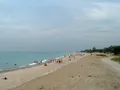
Adeline Jay Geo-Karis Illinois Beach State Park
Illinois's only natural lakeside shoreline, offering dunes, wetlands, hiking, and camping on Lake Michigan.
-
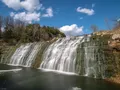
Apple River Canyon State Park
Rugged limestone canyon in northwest Illinois with river views, five hiking trails, and riverside camping.
-

Giant City State Park
Massive sandstone bluffs, 12 miles of trails, and a historic CCC lodge in southern Illinois.
-
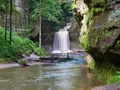
Matthiessen State Park
Dramatic sandstone canyons, waterfalls, and forested bluffs make Matthiessen a stunning Illinois hiking destination.
-
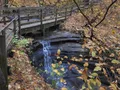
Starved Rock State Park
Iconic Illinois canyon park with 18 gorges, seasonal waterfalls, eagle sightings, and 13 miles of trails.