
Wyoming
Wyoming sits squarely in the heart of the American West, occupying a high-elevation plateau and mountain landscape in the Rocky Mountain region. Bordering Montana to the north, South Dakota and Nebraska to the east, Colorado to the south, and Utah and Idaho to the west, the state serves as a geographic crossroads between the Rockies and the Great Plains. Its terrain ranges from sagebrush basins and rolling shortgrass prairies in the east to towering mountain ranges, deep river canyons, and volcanic plateaus in the west.
The state is home to two of the most visited national parks in the country. Yellowstone, established in 1872 as the world’s first national park, draws millions of visitors to its geysers, hot springs, and remarkable wildlife including bison, wolves, and grizzly bears. Just south, Grand Teton National Park offers some of the most dramatic mountain scenery on the continent, with jagged granite peaks rising sharply above the Jackson Hole valley. These two parks, connected by the John D. Rockefeller Jr. Memorial Parkway, form the core of Wyoming’s northwestern travel corridor.
Beyond its famous parks, Wyoming offers a remarkable range of landscapes and experiences. The Black Hills gateway region of the northeast features Devils Tower National Monument, the first U.S. national monument and a sacred site for many Native American nations. The southwest holds Fossil Butte National Monument, preserving one of the world’s most significant freshwater fossil deposits. The Big Horn Basin, Flaming Gorge, and the Wind River Range add further dimension to a state that punches well above its weight in sheer outdoor variety.
Wyoming is the least populous U.S. state, with a population of roughly 589,000, yet it attracts millions of visitors each year to its 12 state parks, 7 national park units, and 21 designated scenic byways. The state’s western heritage runs deep, celebrated annually at Cheyenne Frontier Days, one of the largest outdoor rodeos in the world. Jackson Hole serves as the premier resort hub, offering world-class skiing, wildlife safaris, and refined dining alongside rugged wilderness access.
The best time to visit Wyoming is generally late June through early September, when mountain passes are clear, most major park roads and facilities are open, though construction, weather, and seasonal closures can affect access, and travelers should check current NPS road and trail conditions before heading out. Shoulder seasons in May and October bring quieter roads and brilliant fall foliage or wildflower displays. Winter transforms the northwestern corner into a snowsports paradise, with Jackson Hole Mountain Resort and groomed snowmobile trails through Yellowstone drawing cold-weather adventurers from around the world.
Featured State Parks in Wyoming
-
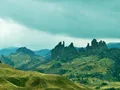
Buffalo Bill State Park
A stunning reservoir park near Cody offering boating, fishing, camping, and Absaroka Mountain canyon scenery.
-
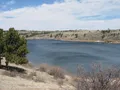
Curt Gowdy State Park
Granite reservoirs, world-class mountain biking trails, hiking, fishing, and camping near Cheyenne in the Laramie Mountains.
-
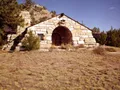
Guernsey State Park
Historic CCC-built park on the North Platte River with reservoir boating, fishing, hiking, and seven campgrounds.
-
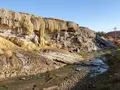
Hot Springs State Park
Home to the world's largest mineral hot spring, a free bathhouse, vivid terraces, and a resident bison herd.
-
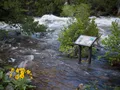
Sinks Canyon State Park
A geologic wonder near Lander where a river vanishes underground, with free hiking and wildlife.