
Nebraska
Nebraska sits at the heart of the Great Plains, stretching from the Missouri River bluffs on its eastern border all the way to the High Plains and Panhandle badlands in the west. The state spans roughly 430 miles east to west and 210 miles north to south, and its landscape shifts dramatically across that distance, from fertile cornbelt lowlands and the broad Platte River valley to the sweeping grass-covered dunes of the Sandhills and the eroded buttes and pine forests of the Panhandle.
Nebraska shares borders with six states: South Dakota to the north, Iowa and Missouri to the east, Kansas to the south, and Colorado and Wyoming to the west. This central position makes it a crossroads of American geography, culture, and history. The Oregon, California, and Mormon trails all passed through Nebraska, and landmarks like Chimney Rock and Scotts Bluff National Monument still stand as sentinels of that westward migration era.
The state is perhaps best known to wildlife enthusiasts for the world-famous Sandhill Crane migration, when hundreds of thousands of cranes gather along the Platte River each spring in one of the greatest natural spectacles on the continent. Beyond that, the Niobrara National Scenic River draws paddlers and canoeists through forested canyons, while the Nebraska Sandhills offer some of the most remote and pristine grassland scenery in the country, home to elk, mule deer, and prairie wildlife.
Outdoor travelers find a full range of experiences across Nebraska’s travel regions. The Panhandle and Pine Ridge region in the northwest features rugged badlands, ponderosa pine forests, and historic Fort Robinson State Park. The southeast anchors the population centers of Omaha and Lincoln, where Omaha’s Henry Doorly Zoo and Aquarium is in Omaha, while Homestead National Historical Park is near Beatrice in southeast Nebraska, about 40 miles south of Lincoln, and both draw visitors year-round. Throughout the state, Nebraska Game and Parks manages dozens of reservoirs and recreation areas that serve as hubs for fishing, boating, and camping.
The best times to visit Nebraska for outdoor travel are late spring and early fall. May and June offer mild temperatures and spring wildflower blooms; the Sandhill Crane migration occurs mainly from mid-February through early April, peaking around mid- to late March. September and October bring cooler air, vivid fall foliage in the river valleys and Pine Ridge, and excellent hunting seasons. Summer is warm and occasionally hot, but long days and calm lakes make it ideal for camping and water recreation at the state’s many park reservoirs.
Featured State Parks in Nebraska
-
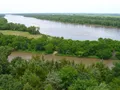
Eugene T. Mahoney State Park
Nebraska's most visited state park, offering lodges, camping, pools, and trails near Ashland.
-
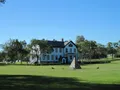
Fort Robinson State Park
Historic frontier fort turned 22,000-acre park with dramatic Pine Ridge buttes, trails, and bison.
-
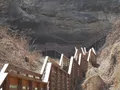
Indian Cave State Park
Ancient petroglyphs, 22 miles of trails, and stunning Missouri River bluffs in southeast Nebraska.
-
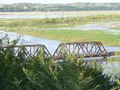
Niobrara State Park
Northeast Nebraska park at the Niobrara and Missouri river confluence with trails, cabins, and buffalo cookouts.
-
Ponca State Park
Forested Missouri River bluffs with 22 miles of trails, bald eagle viewing, camping, and cabins.