
Buffalo Bill State Park
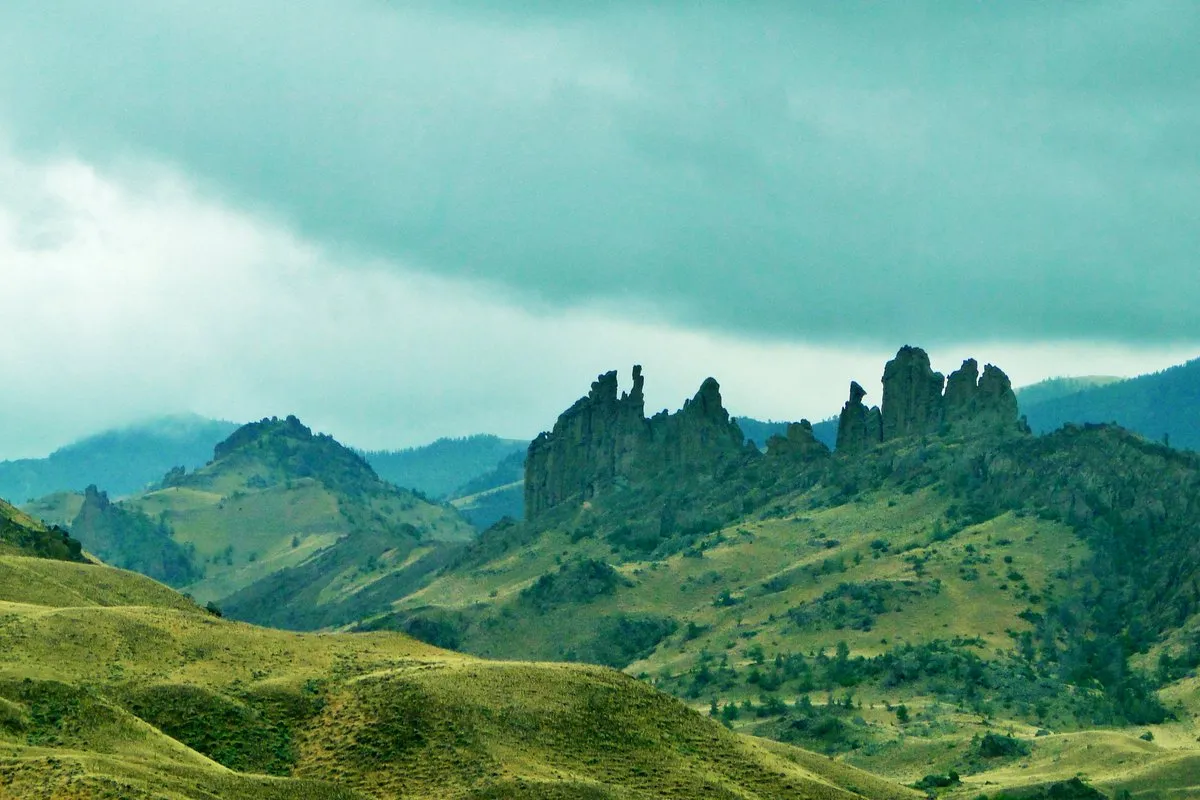
Stretched along the North Fork of the Shoshone River just west of Cody, Buffalo Bill State Park surrounds the 8,150-acre Buffalo Bill Reservoir, one of Wyoming’s oldest and most productive water storage projects. The park takes its name from William F. Cody, whose influence on this region remains visible in everything from the nearby town to the surrounding landscape he helped open to tourism in the early twentieth century. What sets this park apart is the setting: the reservoir fills a canyon carved through the Absaroka Range, and the rock walls rising above the waterline give the place a scale and drama that flatwater parks rarely have.
Boating and Reservoir Recreation
The reservoir is the centerpiece of the park, and boating is the primary reason most visitors make the trip. The water surface is large enough to accommodate sailboats, motorboats, and personal watercraft with room to spare, and multiple boat ramps provide access around the reservoir, with federal recreation information listing 3 boat ramps and facility data listing 5 launch ramps at areas including Lake Shore, Gibbs Bridge, Marquette, North Fork Dike, and Stagecoach. Windsurfers and kitesurfers take advantage of the canyon winds that funnel through the valley with some regularity, making this one of the better spots in Wyoming for wind-driven water sports. Anglers target brown trout, rainbow trout, cutthroat trout, lake trout, walleye, and perch throughout the season. The reservoir runs deep and cold, and trolling is a common and effective approach, particularly in summer when surface temperatures rise.
Swimming is not formally designated at the park, and the water stays cold even in July and August. Visitors who enter the water should be aware of boat traffic and the absence of a guarded swim area.
Camping Along the Canyon
The park operates two campgrounds, Lake Shore Campground and North Fork Campground, both of which put campers within close reach of the water and the canyon walls. Sites accommodate tents and RVs, and some sites have electrical hookups. The canyon setting means mornings can be shadowed and cool even in midsummer, which makes for comfortable sleeping but also means that gear can stay damp longer than expected.
Reservations are required for all campsites and should be made through the Wyoming State Parks reservation system. Campers should store food properly given the bear activity in the surrounding foothills. The campgrounds are not deep in the backcountry, but the Absaroka terrain begins immediately beyond the park boundary, and wildlife does move through.
The Canyon Drive and Surrounding Scenery
US Highway 14/16/20 follows the North Fork of the Shoshone River through the canyon that leads to the park, and the drive itself is worth treating as part of the experience. The road passes through narrow canyon sections with volcanic rock formations, river bends, and views that extend toward the high country of the Absaroka Range. This same highway continues west toward the East Entrance of Yellowstone National Park, roughly 52 miles from Cody, so Buffalo Bill State Park often serves as a basecamp for visitors spending multiple days in the region.
Hiking within the park is limited, but the landscape invites exploration along the shoreline and reservoir edges. The dramatic canyon walls visible from the water offer a sense of the geology at work here, layers of volcanic material shaped by the same forces that built Yellowstone’s plateau to the west.
Pet Policy
Pets are welcome at Buffalo Bill State Park and must be kept on a leash no longer than ten feet at all times. This applies to trails, campgrounds, day-use areas, and along the shoreline. Pets are not permitted in park buildings. Given the wildlife activity in and around the park, keeping pets leashed and close is a practical safety measure, not just a rule.
Wildlife to Be Aware Of
Both black bears and grizzly bears are active in the Absaroka foothills surrounding the park, and either species can move into campgrounds or along shoreline areas, particularly at dawn and dusk. Campers should use bear-resistant food storage containers or hang food well away from sleeping areas. Never leave food, coolers, or scented items in tents or unsecured in vehicles overnight. If you encounter a bear, do not run. Give it space, speak calmly, and back away slowly. Carry bear spray and know how to use it before you need it.
Rattlesnakes are present in the rocky canyon terrain and along the shoreline edges where boulders and brush create suitable habitat. Watch where you place your hands and feet when scrambling on rocks or stepping through dense vegetation. Rattlesnakes are not aggressive by nature, but they will strike if startled or cornered. Wearing closed-toe shoes and staying on cleared paths reduces the risk significantly.
Mountain lions inhabit the remote canyon and trail areas west of Cody, and while sightings are uncommon, the habitat here is well suited to them. If you encounter a mountain lion, do not crouch or turn your back. Make yourself appear large, maintain eye contact, and back away. Do not run. Attacks are rare, but solo hikers moving into canyon terrain should be aware that they are in cougar country.
Practical Information
Buffalo Bill State Park is located approximately 9 miles west of Cody, Wyoming, along US Highway 14/16/20. Cody is the nearest town and offers a full range of lodging, dining, fuel, and supplies. The park is accessible by standard passenger vehicles year-round, though winter conditions can affect road quality and some facilities operate on reduced schedules outside the summer season.
Day-use entry fees are $12 per vehicle for non-residents and $7 per vehicle for Wyoming residents. Annual passes are available and cover day-use fees at state parks across Wyoming. Camping fees are charged separately. Reservations for campsites can be made through the Wyoming State Parks reservation system and are strongly advised for summer weekends. For current conditions and facility availability, contact the park directly or check the Wyoming State Parks website before your visit.
Frequently Asked Questions
What is the entry fee for Buffalo Bill State Park?
Day-use entry fees are $7 per vehicle for non-residents and $4 per vehicle for Wyoming residents, with annual passes available that cover day-use fees at state parks across Wyoming. Camping fees are charged separately from the day-use fee.
Are dogs allowed at Buffalo Bill State Park?
Pets are welcome throughout the park, including trails, campgrounds, day-use areas, and the shoreline, but must be kept on a leash no longer than ten feet at all times. Pets are not permitted inside park buildings.
Are there bears at Buffalo Bill State Park?
Both black bears and grizzly bears are active in the Absaroka foothills surrounding the park and can move into campgrounds or along shoreline areas, particularly at dawn and dusk. Campers should use bear-resistant food storage and carry bear spray when exploring the area.
Does Buffalo Bill State Park have RV camping with hookups?
The park operates two campgrounds, North Shore Bay Campground and North Fork Campground, both of which offer sites for tents and RVs with some sites featuring electrical hookups. Reservations are strongly recommended for summer weekends and major holidays.