
Fort Worden Historical State Park
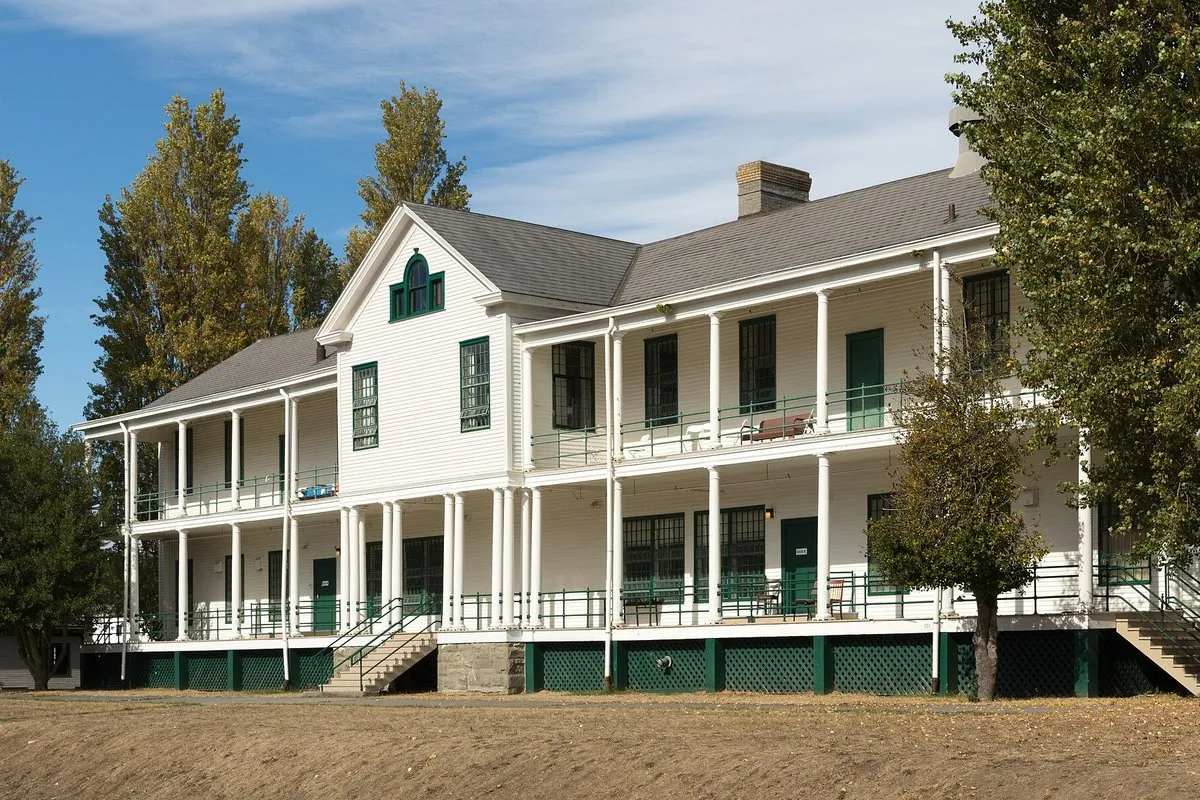
Fort Worden Historical State Park sits at the northeastern tip of the Olympic Peninsula in Port Townsend, Washington, where Admiralty Inlet forms the entrance to Puget Sound. It is one of the most historically layered state parks in the Pacific Northwest, combining a largely intact early 20th-century military installation with more than two miles of saltwater shoreline, forested uplands, and a working conference and arts campus. Few state parks in Washington offer this combination of genuine historical depth and outdoor recreation in a single place.
The Military History and Historic Structures
Fort Worden was built in the late 1890s as part of a three-fort coastal defense system designed to protect Puget Sound from naval attack. Along with Fort Casey and Fort Flagler, it formed what was called the Triangle of Fire. The fort remained active through both World Wars and into the early Cold War years. The military closed Fort Worden in 1953; Washington State Parks acquired portions of the site over time, and the park was dedicated in 1973.
The historic district is the main reason many visitors come here. Dozens of original buildings survive in excellent condition, including officers’ row, enlisted barracks, a balloon hangar, and the Commanding Officer’s House. Visitors can walk through the grounds at their own pace. The concrete gun batteries are open for exploration and offer dramatic views across the strait. Battery Kinzie and Battery Ash are among the most impressive, with deep underground corridors and observation platforms. The Puget Sound Coast Artillery Museum, located in Building 201, a former barracks on the fort grounds, provides context for the military hardware and the strategic history of the installation.
Beaches and Shoreline
The park has more than two miles of saltwater shoreline along Admiralty Inlet and the Strait of Juan de Fuca, and it is among the best shoreline access points on the Olympic Peninsula. The main day-use beach is near the Port Townsend Marine Science Center pier and beach campground. At low tide, the tidal flats expose sea stars, anemones, crabs, and other intertidal life. The water is cold year-round, so swimming is not common, but beachcombing, fishing and crabbing under current regulations, and simply watching the shipping traffic and wildlife on the strait are popular activities. Fort Worden is not a recommended beach for harvesting clams, mussels, or oysters; WDFW and DOH caution that those shellfish are not fit for human consumption there.
The Port Townsend Marine Science Center (PTMSC), located at Fort Worden near the beach, offers exhibits and programs on local marine ecosystems and is worth a stop, particularly for families with children.
Trails and Upland Terrain
A network of trails extends through the forested uplands above the fort and connects the beach, batteries, Chinese Gardens area, and other open space. The trails range from easy walks on old military roads to steeper routes through second-growth forest. The upland areas offer quieter terrain away from the beach and historic district crowds. From higher points on the trails, there are views across the strait toward the San Juan Islands and Vancouver Island on clear days.
Camping and Conference Facilities
Fort Worden is unusual among Washington state parks in that its upper campus includes historic lodging, event spaces, and arts programming. Washington State Parks now operates the upper campus, while organizations such as Centrum continue to host workshops and arts events on site. Overnight accommodations include traditional tent and RV campsites, as well as historic military housing units that can be reserved during the lodging season. The refurbished officers’ quarters and other historic residences sleep multiple guests and are popular for family reunions, retreats, and extended visits. Campsite reservations are necessary year-round, and historic lodging books up quickly when available, especially from late spring through early fall.
Pet Policy
Leashed pets are welcome in most areas of the park, including the beach, trails, and campgrounds. Pets must be kept on a leash no longer than eight feet at all times. They are not permitted inside public buildings unless posted, in designated pet-friendly roofed accommodations, or in designated swimming areas. Clean up after pets in all park areas.
Wildlife to Be Aware Of
Raccoons are a persistent presence in the campgrounds and picnic areas at Fort Worden. They are bold and accustomed to humans, and they will investigate unattended food, coolers, and trash without hesitation. Store all food in hard-sided containers or your vehicle when not in use, and secure trash in the provided receptacles. Never leave food unattended at a picnic site or camp kitchen.
Deer move through the park regularly, including in the historic district and along the beach access roads. They appear calm and approachable but can react unpredictably, especially does with fawns in spring and early summer. Do not feed deer or attempt to approach them. Give them space and let them move away on their own.
Jellyfish are present in the nearshore waters along the strait during summer months. Several stinging species occur in this area, including sea nettles. Swimmers and waders should scan the water before entering and be aware that jellies can be hard to see in choppy conditions. If you are stung, rinse the area with seawater, not fresh water, and remove any visible tentacles without rubbing the skin.
Practical Information
Fort Worden Historical State Park is located at 200 Battery Way, Port Townsend, Washington 98368, near coordinates 48.1392, -122.7694. Downtown Port Townsend is approximately two miles from the park entrance. From Seattle, the most common route involves taking the ferry from Edmonds to Kingston, then driving north on State Route 104 and 19 to Port Townsend.
A Discover Pass is required for vehicles entering or parking within the park, with limited posted exceptions. Day-use passes cost $10 per vehicle at the park, and an annual pass is available for $45. Pedestrians and cyclists do not need a pass.
Camping and historic housing reservations can be made through the Washington State Parks reservation system. Historic housing is seasonal, and campsites remain available for reservations year-round. The park is open year-round, though some facilities have reduced hours in the off-season. Summer weekends are the busiest period, and beachfront parking fills early on warm days.
Frequently Asked Questions
Is a Discover Pass required to visit Fort Worden Historical State Park?
As of March 1, 2025, a Discover Pass is required for all vehicles entering the park, with day-use passes available for $10 per vehicle and annual passes for $45. Pedestrians and cyclists may enter free of charge.
Are dogs allowed at Fort Worden Historical State Park?
Leashed pets are welcome on the beach, trails, and in campgrounds, with a maximum leash length of eight feet. Pets are not permitted inside public buildings or in the park's yurts and vacation houses unless in designated pet-friendly accommodations.
Can you explore the historic gun batteries and military buildings at Fort Worden?
The concrete gun batteries, including Battery Kinzie and Battery Ash, are open for self-guided exploration and feature underground corridors and observation platforms with views across the strait. The Puget Sound Coast Artillery Museum in Building 201 provides additional historical context for the fort's military role.
Is it safe to swim or collect shellfish at Fort Worden's beach?
Swimming is uncommon due to cold year-round water temperatures, and stinging jellyfish are present in nearshore waters during summer months along the Strait of Juan de Fuca shoreline. Harvesting clams, mussels, or oysters at Fort Worden is not recommended, as WDFW and DOH caution that those shellfish are not fit for human consumption there.