
Tennessee
Tennessee occupies a long, horizontal corridor across the American Southeast, stretching roughly 432 miles from the crest of the Appalachian Mountains in the east to the banks of the Mississippi River in the west. This east-to-west span creates three distinct grand divisions, each with its own landscape character, climate, and outdoor personality. East Tennessee is dominated by the Blue Ridge and Unaka mountains, the Cumberland Plateau, and the iconic Great Smoky Mountains. Middle Tennessee is defined by the fertile Nashville Basin and the dramatic gorges of the Highland Rim. West Tennessee rolls out into broad, flat lowlands shaped by the Mississippi Alluvial Plain and the Tennessee River lake system.
Tennessee shares borders with eight states, more than any other state in the nation. To the north lie Kentucky and Virginia, to the east is North Carolina, and to the south lie Georgia, Alabama, and Mississippi. Arkansas and Missouri border the state to the west across the Mississippi River. This central position in the Southeast makes Tennessee an accessible crossroads destination, reachable from much of the eastern United States within a day’s drive.
While Tennessee has no ocean coastline, it is rich in inland water recreation. The Tennessee Valley Authority created a network of reservoirs across the state, including Kentucky Lake, one of the largest man-made lakes in the world by surface area, along with Dale Hollow Lake, Norris Lake, and Watts Bar Lake. These waters support boating, fishing, camping, and paddling across all three grand divisions, giving the state a genuine lakefront character that draws water-recreation visitors year-round.
The state’s most celebrated outdoor attraction is Great Smoky Mountains National Park, the most visited national park in the United States, drawing over 12 million visitors in 2024 alone. Beyond the Smokies, Tennessee’s 62 state parks, 13 NPS units, and 13 scenic byways cover a remarkable variety of terrain, from the sandstone canyons of Big South Fork and the 256-foot waterfall at Fall Creek Falls to the forested ridges of the Natchez Trace Parkway winding through Middle and West Tennessee. The Appalachian Trail crosses through the state’s northeastern corner, and Roan Mountain hosts the world’s largest natural rhododendron garden.
Spring and fall are the premier seasons for outdoor exploration. April through early June brings wildflower blooms, mild hiking temperatures, and the Roan Mountain Rhododendron Festival. September through November delivers some of the most spectacular fall foliage in the eastern United States, particularly across the Appalachian highlands of East Tennessee. Summers are warm and humid but are popular for lake activities and whitewater paddling, while winters remain mild enough in Middle and West Tennessee for comfortable travel, with the eastern mountains offering occasional snow scenery and quieter trails.
Featured State Parks in Tennessee
-

Cummins Falls State Park
Home to Tennessee's largest waterfall, Cummins Falls offers gorge hiking, swimming, and breathtaking scenery.
-
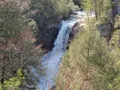
Fall Creek Falls State Park
Home to a 256-ft waterfall and dramatic gorge trails on Tennessee's Cumberland Plateau.
-

Frozen Head State Park
A rugged Cumberland Plateau gem with 50-plus miles of trails, waterfalls, and outstanding backcountry camping.
-

Radnor Lake State Park
A tranquil urban sanctuary near Nashville offering lakeside trails, birdwatching, and remarkable wildlife in Tennessee's first natural area.
-

Roan Mountain State Park
High-elevation Appalachian park renowned for spectacular rhododendron blooms, scenic balds, and Doe River camping.