
Frozen Head State Park
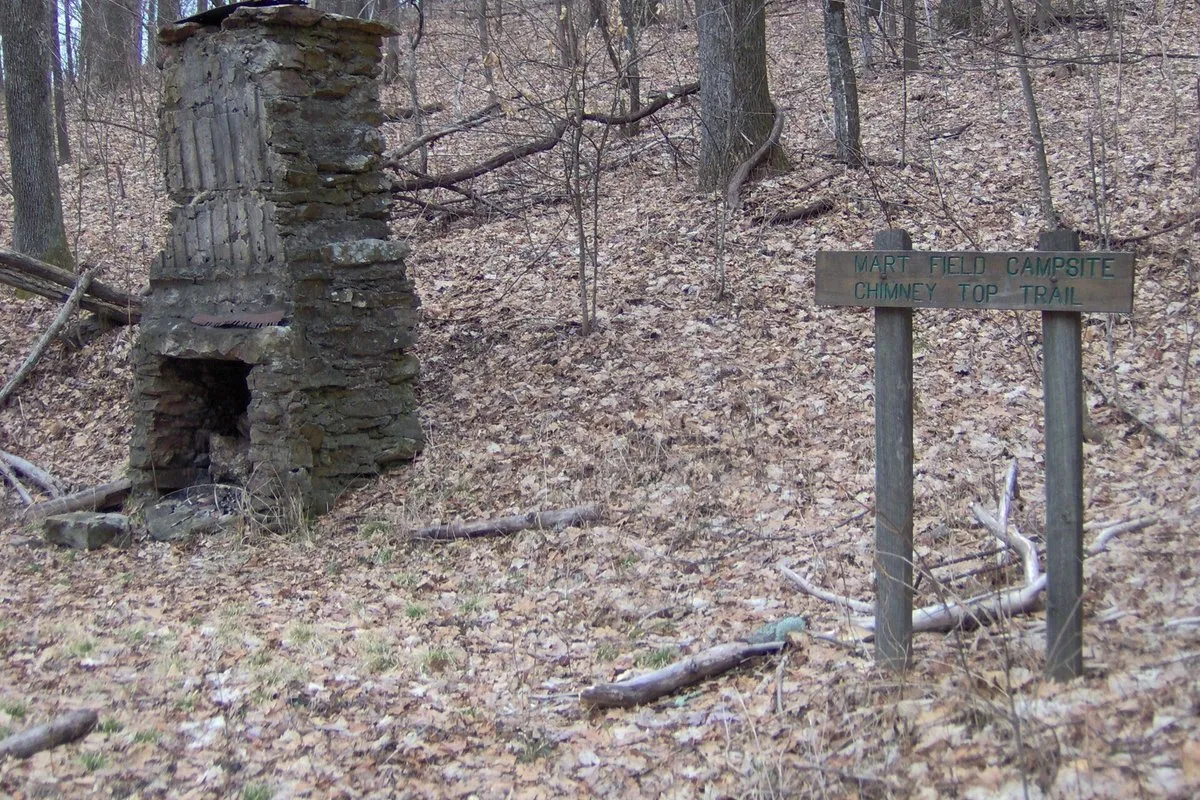
Frozen Head State Park occupies a remote stretch of the Cumberland Mountains in Morgan County, Tennessee, about 40 miles northwest of Knoxville. The park takes its name from Frozen Head Mountain, which rises to roughly 3,324 feet and is often shrouded in snow and ice during the winter months. What sets this park apart is the combination of genuine wilderness character, significant elevation change, and a trail network deep enough to keep serious hikers busy across multiple visits. The terrain is rugged, the forest is dense, and the solitude is real.
More Than 50 Miles of Backcountry and Ridge Trails
Trails are the core reason people come to Frozen Head. The park maintains over 50 miles of them, ranging from short, accessible walks near the campground to full-day ridge climbs and multi-night backcountry routes. Hikers looking for a moderate outing can follow the Interpretive Loop or take the Panther Branch Trail and Emory Gap Trail toward the park’s waterfall destinations when those trails are open. Those wanting a longer day should head for the Lookout Tower Trail toward the Frozen Head summit, which rewards the effort with panoramic views across the plateau and, on clear days, far into the surrounding ridges.
The backcountry trail system connects to designated primitive campsites, making the park well suited for overnight trips when backcountry sites and connecting trails are open. Trails are well-marked but the terrain demands attention, particularly on the steeper ridge routes where footing can be loose and exposed.
Waterfalls Along the Drainages
Several creek drainages cut through the park and produce waterfalls worth seeking out. Emory Gap Falls is one of the most visited, reachable by a moderate hike that follows a stream corridor into a narrow hollow. Debord Falls offers another solid destination, particularly appealing in spring when water volume is highest. These falls are genuine landscape features, not roadside overlooks, so reaching them requires a real hike. That is part of the appeal.
Camping: Developed Sites and True Backcountry
The park normally offers a range of camping options, but visitors should confirm current availability before planning a trip. The developed Big Cove campground is rustic and includes sites with picnic tables, grills, lantern hangers, fire rings, and access to restrooms, but no electrical, water, or sewer hookups. Rates vary by site and season and should be checked through the Tennessee State Parks reservation system. For those wanting a more remote experience, primitive and backcountry sites are normally available deeper in the trail system. Backcountry campers must reserve or register for designated backcountry sites and should confirm current fees and procedures with the park office or Tennessee State Parks reservation system. Water sources exist along backcountry routes, but all water should be filtered or treated. The campground is a reasonable base for day hikes when open, and the backcountry options make multi-day trips practical without leaving the park when those sites and trails are available.
History and the Brushy Mountain Connection
The land now protected as Frozen Head State Park was historically adjacent to the Brushy Mountain State Penitentiary, which operated nearby for much of the twentieth century. The prison and the surrounding landscape have an unusual connection to American cultural history and are part of what gives this area a distinctive identity. The park itself was established to protect the forested plateau, and much of the trail infrastructure was developed through conservation work over subsequent decades. Interpretive materials at the park office provide additional context for visitors interested in the regional history.
Pet Policy
Pets are welcome at Frozen Head State Park and must be kept on a leash no longer than six feet at all times. This applies on all trails, in the campground, and in picnic areas. Pets are not permitted inside park buildings. Given the wildlife present throughout the park, including bears and venomous snakes, keeping pets leashed and close is genuinely important for their safety as well as a park rule.
Wildlife to Be Aware Of
Black bears have been reported in and around Frozen Head, and hikers and campers should use bear-safe practices. They are not a reason to avoid the backcountry, but they require consistent, deliberate food storage practices. All food, scented items, and trash should be stored using proper bear-safe methods, such as available bear boxes, bear-resistant containers, or a proper hang where allowed. Never leave food in a tent or unattended at a campsite. If you encounter a bear on trail, give it space and do not run.
Timber rattlesnakes are present on rocky slopes and forested trails throughout the park. They are not aggressive but will defend themselves if surprised or cornered. Watch carefully where you place your feet and hands, especially when stepping over logs, rocks, or other trail obstacles. The instinct to grab a rock or branch for balance on a steep trail can put a hand in exactly the wrong place.
Copperheads are found in this part of Tennessee, especially along forest edges and stream corridors during warm months. They blend well into leaf litter and rocky ground and can be easy to overlook. Wear sturdy footwear, stay on trail where possible, and scan the ground ahead in areas with heavy ground cover. Both snake species are most active from spring through early fall.
Practical Information
Frozen Head State Park is located at 964 Flat Fork Road, Wartburg, Tennessee. Wartburg is the nearest town and provides fuel and basic supplies. From I-40, take Exit 347 toward Wartburg and follow signs to the park. The park is open year-round, though some facilities have reduced hours or availability in winter. Day use entry is free. Camping rates and availability should be checked through the Tennessee State Parks reservation system, particularly for weekend visits in spring and fall. Note that the Rocky Fork Area is closed beginning July 7, 2025, and Big Cove and Flat Fork campsites along with shelters B and C are closed beginning July 14, 2025 for renovation work expected to take about one year. Trail access has also been limited during construction. Contact the park directly to confirm current trail access, camping availability, and backcountry procedures before a trip, as conditions and closures do change.
Frequently Asked Questions
Is there an entry fee for Frozen Head State Park?
Day use entry to Frozen Head State Park is free, though camping fees apply, with developed sites starting at around $20 per night and primitive and backcountry sites also available for reservation online.
Are dogs allowed at Frozen Head State Park?
Dogs are welcome at Frozen Head State Park and must be kept on a leash no longer than six feet at all times on all trails, in the campground, and in picnic areas. Pets are not permitted inside park buildings.
Are there waterfalls at Frozen Head State Park and how hard are they to reach?
The park has several waterfall destinations, including Emory Gap Falls and Debord Falls, both of which require a real hike through stream corridors and are best visited in spring when water volume is highest.
Are there bears or dangerous animals on the trails at Frozen Head State Park?
Black bears are active throughout the park, especially on backcountry trails, and visitors should use bear-safe food storage; timber rattlesnakes and copperheads are also present, so hikers should watch carefully where they step and place their hands.