
Arkansas
Arkansas occupies a diverse swath of the south-central United States, bordered by Missouri to the north, Tennessee and Mississippi to the east, Louisiana to the south, and Texas and Oklahoma to the west. The state spans roughly 53,000 square miles and divides naturally into two broad halves: a rugged, forested uplands region in the north and west, and a broad, flat lowland stretching east and south toward the Mississippi River.
The northern and western highlands are defined by two distinct ancient mountain systems. The Ozark Plateau covers much of the northwest and north-central portions of the state, featuring sandstone bluffs, clear spring-fed streams, and dense hardwood forests. The Ouachita Mountains run east to west across the western and central part of the state, a formation unique in North America for that orientation, draped in pine-oak woodland and dotted with crystal-clear lakes. Between them lies the Arkansas River Valley, a fertile corridor of rolling terrain connecting the two mountain chains.
The eastern lowlands form the Arkansas Delta, a landscape of rich alluvial farmland, oxbow lakes, and deeply rooted musical and cultural heritage tied to the Mississippi River. Arkansas has no ocean coastline but is richly endowed with inland water. Lake Ouachita, the largest natural lake in the state at 40,000 acres, Lake Greeson, Beaver Lake, Bull Shoals Lake, and Norfork Lake all draw boaters, anglers, and swimmers throughout the warm months.
Major draws for outdoor travelers include the Buffalo National River, the first nationally designated river in the United States, which carves through limestone bluffs in the Ozarks and offers world-class float trips and hiking. Hot Springs National Park, set in the heart of the Ouachita foothills, preserves the historic Bathhouse Row and its thermal springs. Crater of Diamonds State Park near Murfreesboro is the only place in the world where visitors can mine for diamonds and keep what they find. Blanchard Springs Caverns in the Ozark National Forest ranks among the most spectacular show caves in the country.
Spring and fall are the most popular and comfortable seasons to visit, with mild temperatures ideal for paddling, hiking, and driving the state’s scenic byways through peak wildflower and fall foliage displays. The northwest corner anchored by Bentonville and Fayetteville has emerged as a nationally recognized destination for mountain biking, world-class art at the Crystal Bridges Museum of American Art, and the vibrant college-town culture of the University of Arkansas. Little Rock, the capital and largest city, serves as the state’s main travel hub and gateway to the broader Arkansas experience.
Featured State Parks in Arkansas
-

Crater of Diamonds State Park
The only public diamond-hunting site in the world, where every gem you find is yours to keep.
-
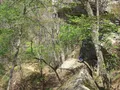
Devil's Den State Park
Rugged Ozark park with sandstone caves, crevices, waterfalls, and over 20 miles of hiking and biking trails.
-
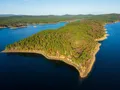
Lake Ouachita State Park
Arkansas's largest and clearest lake, offering camping, cabins, boating, diving, and year-round guided programs.
-
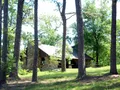
Petit Jean State Park
Arkansas's first state park, featuring Cedar Falls, canyon overlooks, and over 20 miles of scenic hiking trails.
-

Pinnacle Mountain State Park
Day-use park near Little Rock offering summit hikes, river paddling, mountain biking, and the Arkansas Arboretum.