
Alabama
Alabama occupies the heart of the American Southeast, stretching from the Tennessee Valley in the north to a narrow strip of Gulf Coast shoreline in the south. The state spans several distinct geographic zones, including the rugged Appalachian foothills of the northeast, the fertile Black Belt prairies of the central region, the piney coastal plain of the south, and the broad river valleys carved by the Tennessee, Tombigbee, Alabama, and Coosa rivers.
Alabama borders Tennessee to the north, Georgia to the east, Florida to the south, and Mississippi to the west. Its southern edge meets the Gulf of Mexico along about 53 miles of general Gulf coastline, including roughly 32 miles of white-sand beaches around Gulf Shores, Orange Beach, and Fort Morgan, giving the state genuine Gulf Coast character despite its modest shoreline. Inland, massive reservoirs including Guntersville Lake, Lake Martin, Wheeler Lake, and Dannelly Reservoir provide hundreds of miles of lakefront recreation.
The state is rich in history and natural wonders. Civil rights landmarks in Birmingham, Selma, and Montgomery attract visitors from around the world, while Little River Canyon in the northeast ranks among the deepest canyons east of the Mississippi River. Cheaha Mountain, at 2,407 feet the highest point in Alabama, sits within the Talladega National Forest and anchors Cheaha State Park. Beneath the surface, Cathedral Caverns and Rickwood Caverns showcase spectacular limestone formations shaped over hundreds of millions of years.
Alabama’s travel regions offer something for every type of visitor. North Alabama blends outdoor adventure near the Tennessee River with space exploration heritage at the U.S. Space and Rocket Center in Huntsville. Central Alabama combines the urban energy of Birmingham with the quiet beauty of Oak Mountain State Park. The Gulf Coast delivers sugar-white sand beaches, seafood, and water sports just steps from Gulf State Park’s pristine dunes.
The best times to visit Alabama are spring and fall, when temperatures across the state are pleasant and trails, campgrounds, and waterways are at their most inviting. Spring wildflowers and mild weather make March through May ideal for hiking and paddling, while October and November bring vivid foliage to the Appalachian foothills. Summer is prime season for the Gulf Coast, though inland heat and humidity can be intense. Winters are generally mild in the south, making year-round camping possible at places like city-operated Lake Jackson RV Park at Florala and Gulf State Park.
Featured State Parks in Alabama
-
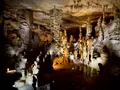
Cathedral Caverns State Park
Stunning Alabama cave park featuring a 126-ft wide entrance, towering stalagmites, guided tours, and woodland camping.
-

Cheaha State Park
Alabama's highest point at 2,413 ft, with panoramic ridge views, waterfall trails, and mountain camping.
-
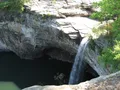
DeSoto State Park
Atop Lookout Mountain with 30+ miles of trails, stunning waterfalls, cabins, and family camping.
-

Gulf State Park
6,150-acre Gulf Coast gem with two miles of white sand beach, 28 miles of trails, and full-service camping.
-

Joe Wheeler State Park
A full-service lakeside resort park on Wheeler Lake with camping, boating, fishing, and a sandy beach.
-
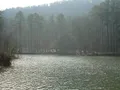
Lake Guntersville State Park
A stunning lakeside retreat in northeast Alabama offering hiking, camping, fishing, and world-class bald eagle watching.
-

Monte Sano State Park
Mountain escape near Huntsville with 20+ miles of trails, CCC cabins, and sweeping valley views.
-
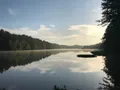
Oak Mountain State Park
Alabama's largest state park offers 100+ miles of trails, seven lakes, lakeside camping, and sweeping ridge views near Birmingham.
-
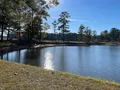
Wind Creek State Park
A sprawling lakeside retreat on Lake Martin with world-class camping, fishing, boating, and scenic hiking trails.