
Radnor Lake State Park
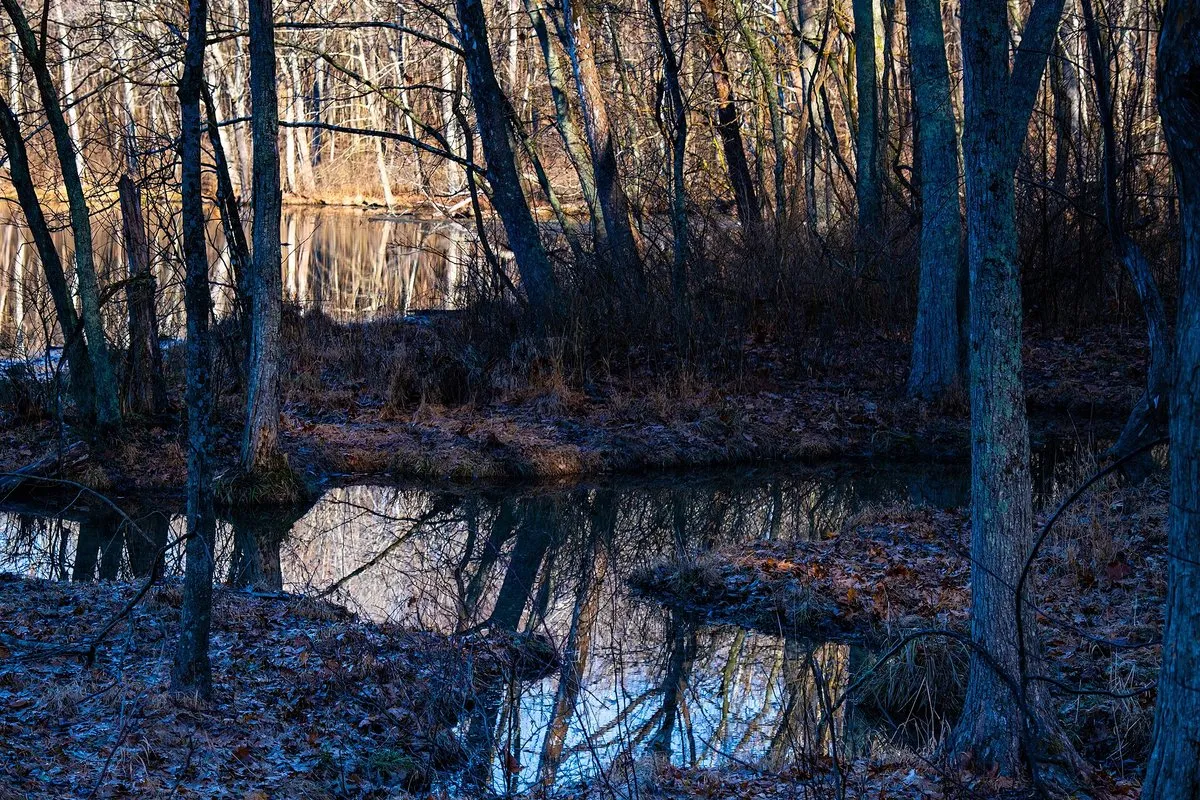
Radnor Lake State Park sits approximately eight miles south of downtown Nashville, covering more than 1,300 acres of forested hills, wetlands, and a quiet 85-acre lake. Designated in 1973 as Tennessee’s first state natural area, the park exists to protect a functioning natural ecosystem within one of the fastest-growing metro areas in the country. That combination of accessibility and ecological integrity is what drew over 2 million visitors in 2024 and what makes Radnor genuinely unlike most parks of its size.
Birdwatching and Wildlife Observation
Radnor Lake is widely regarded as one of the premier birdwatching destinations in Middle Tennessee. The lake and its surrounding wetland edges attract waterfowl throughout the year, including great blue herons, great egrets, wood ducks, and a rotating cast of migratory species during spring and fall. Osprey fish the lake regularly, and the forested ridgelines support a healthy population of migratory warblers. The park’s eBird checklist currently stands at 238 species, plus additional taxa. Many visitors come specifically with binoculars and cameras rather than any intention of hiking. The lake edge trails, particularly along the south shore, offer the best sightlines for both waterbirds and the white-tailed deer that move through the meadow margins in early morning.
The Lake Shore and Ridge Trails
Trails at Radnor Lake form a connected network of about 7.75 miles total, ranging from easy lakeside walks to more demanding ridge routes with elevation gain and forest cover. The Lake Trail runs along the north shore and is the most heavily traveled path in the park, offering consistent views of open water and frequent wildlife sightings. The Ganier Ridge Trail climbs away from the lake into a mature oak and hickory canopy, providing a quieter experience and a different perspective of the watershed below. The South Cove Trail and other connector paths allow visitors to build loops of varying lengths. Trails are well-marked and maintained, with packed gravel or natural surface depending on the segment. The terrain is generally accessible to most fitness levels, though the ridge trails involve uneven footing and some steeper grades.
Because Radnor Lake is a designated natural area, the rules of use are stricter than at many parks. Jogging and cycling are restricted to Otter Creek Road to reduce disturbance to wildlife. Staying on marked trails is required, and collecting plants, rocks, or wildlife is prohibited.
Photography and Seasonal Highlights
The park shifts noticeably with the seasons. Spring brings migrating songbirds and wildflowers along the forest floor before the canopy fills in. Summer can be humid and warm, but the dense tree cover on the ridge trails keeps conditions tolerable. Fall foliage peaks in mid to late October and draws significant crowds, particularly on weekends. Winter offers a stripped-down view of the lake and surrounding hills and tends to be the quietest season, with some of the best conditions for spotting wildlife that would otherwise be obscured by vegetation. Early morning visits in any season reward visitors with calmer water, more active wildlife, and fewer people on the trails.
Pet Policy
Pets on leash are welcome on Otter Creek Road, Hall Drive, and the dam, but access is more limited than at most parks and the rules are worth reviewing before you visit. Dogs must be kept leashed at all times. Pets are not permitted on the Lake Trail or any of the natural-surface trails, a restriction that exists to minimize disturbance to the waterbirds and other wildlife concentrated along the shoreline. Pet waste must be collected and removed from the park. Given the density of wildlife at Radnor, keeping dogs calm and under close control is important not just for compliance but for the safety of your pet.
Wildlife to Be Aware Of
White-tailed deer are abundant throughout the park and have become accustomed to human presence. Some individuals will approach closely, which can seem friendly but is a sign of unhealthy habituation. Do not feed deer or attempt to touch them. Bucks with antlers can be unpredictable, and feeding wildlife of any kind is prohibited.
Coyotes are active throughout the park, particularly at dawn and dusk. They are generally wary of people but have adapted well to the suburban edge environment around Radnor. Keep small dogs especially close during low-light hours, and never leave food unattended. If a coyote approaches without apparent fear, make yourself large, make noise, and back away.
Copperhead snakes are common at Radnor Lake and are present throughout the warm months. They are well-camouflaged against leaf litter and rocky soil, which is exactly the type of ground found along most of the park’s trails. Watch where you place your feet and hands, and avoid reaching under rocks or logs. Copperheads are not aggressive and will not pursue you, but they will strike if stepped on or handled. Wear closed-toe shoes on every visit.
Snapping turtles live in and around the lake edges. They can be surprisingly fast on land and will bite if threatened or picked up. Observe them from a distance and do not attempt to handle or move them.
Practical Information
Radnor Lake State Park is located at 1160 Otter Creek Road in Nashville, Tennessee, roughly eight miles south of downtown via US-431 South and Granny White Pike. The park coordinates are 36.0631, -86.8097. Admission is free. The park is open daily from 6 a.m. until 20 minutes after sunset year-round. There is no camping available at Radnor Lake. Parking lots fill quickly on weekend mornings, particularly in fall, and overflow conditions are common. Arriving before 8 a.m. on busy days is the most reliable way to secure a spot. No reservations are needed for general trail access.
Frequently Asked Questions
Is there an entry fee to visit Radnor Lake State Park?
Admission to Radnor Lake State Park is free, with no entry fee required to visit.
Are dogs allowed at Radnor Lake State Park?
Dogs on leash are welcome on Otter Creek Road, Hall Drive, and the dam, but pets are not permitted on the Lake trails or most other trail areas in the park.
Is there camping at Radnor Lake State Park?
Radnor Lake State Park does not offer camping or overnight accommodations of any kind.
What wildlife might I see at Radnor Lake State Park?
The park is home to white-tailed deer, coyotes, snapping turtles, and copperhead snakes, along with abundant birdlife including great blue herons, osprey, wood ducks, and over 238 documented bird species.