
Split Rock Lighthouse State Park
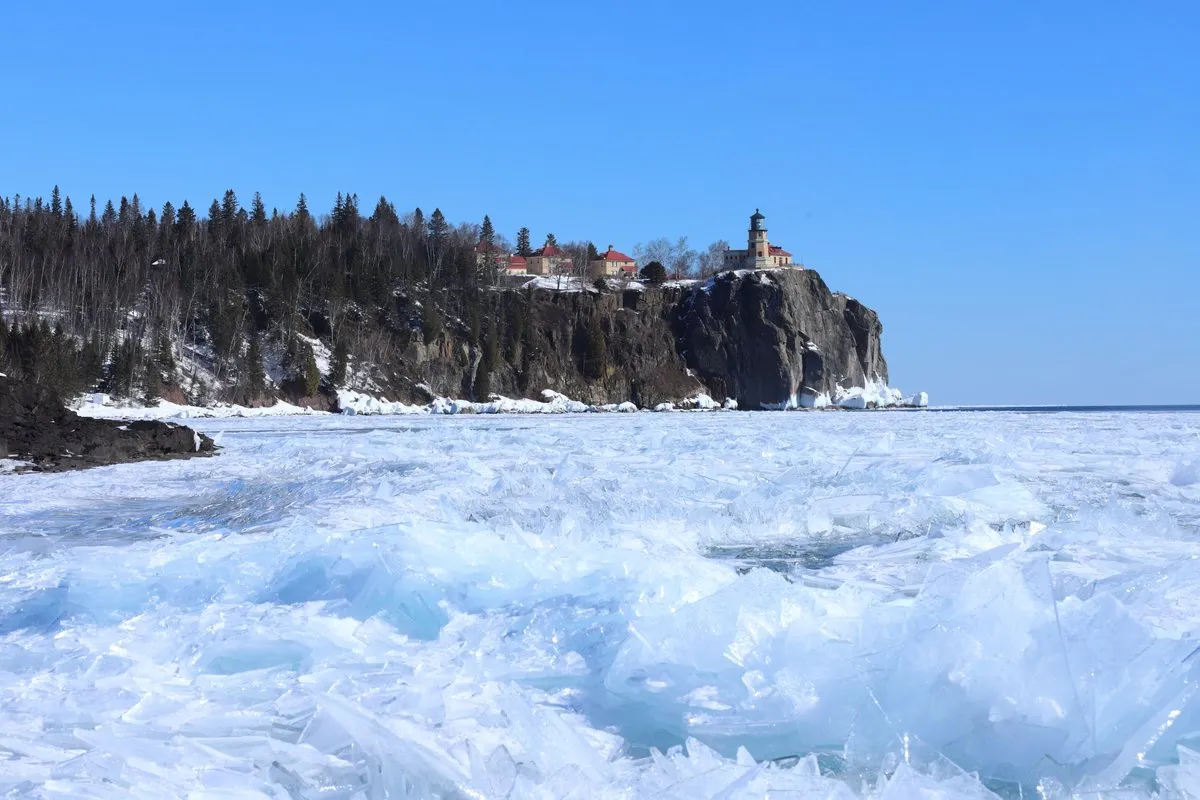
Split Rock Lighthouse stands on a 130-foot anorthosite cliff above Lake Superior on Minnesota’s North Shore, about 20 miles northeast of Two Harbors. Built in 1910 after a November storm wrecked or damaged 29 vessels in a single blow, the lighthouse guided ore boats through this stretch of treacherous water until 1969. The Minnesota Historical Society now operates the historic site within the state park, making this one of the few places in Minnesota where a working historic complex, rugged Lake Superior shoreline, and a backcountry trail corridor all occupy the same ground.
The Lighthouse and Historic Site
The lighthouse, fog signal building, oil house, and a restored Keeper’s House are part of the historic site; current public access varies by ticket type and season, during the main season, currently May 1 through October 19, 2026, with limited seasonal offerings continuing into winter on select days. The Minnesota Historical Society manages tours separately from the state park, so visitors pay MHS admission to enter the historic complex; state park vehicle permits are required for state park use and during historic-site off hours. From the bluff top, the view down the North Shore on a clear day stretches for miles in both directions. The lighthouse is lit every November 10th to commemorate the 1975 sinking of the Edmund Fitzgerald, drawing visitors from across the region for that single evening.
Lake Superior Shoreline Access
Below the lighthouse bluff, a rocky shoreline of ancient volcanic basalt gives direct access to Lake Superior. This stretch of shore is dramatic in any weather but particularly striking when northeast winds push swells against the exposed ledge rock. Visitors can reach the water via trails from the main parking area and day-use zone. The shoreline is a fine place to watch for agates, which wash out of the volcanic rock and collect in gravel pockets along the water’s edge. Swimming is possible but uncommon given Lake Superior’s cold temperatures even in summer.
Hiking the Superior Hiking Trail
The Superior Hiking Trail passes directly through the park, giving hikers access to some of the most scenic ridge walking on the entire North Shore. From the park, the trail heads northeast toward Beaver Bay and southwest toward Gooseberry Falls State Park, both within reasonable day-hike distance. The terrain involves forested ridgelines with periodic cliff-edge viewpoints above the lake, stream crossings, and sections of exposed root-and-rock trail that reward sturdy footwear. A short spur trail connects the main parking area to the SHT junction, so day visitors can access the trail without driving to a separate trailhead.
Cart-In Camping
Split Rock offers drive-in electric campsites at Shipwreck Creek Campground, plus cart-in and backpack campsites, which keeps the camping experience quieter than a typical state park campground. Campers haul gear on a cart from the parking area to sites located in the forest above the shore. Cart-in sites have a fire ring, picnic table, tent pad, and animal-proof food box; campers use carts from the parking area, where they can fill water jugs, and the campground has modern restrooms/showers near the parking lot. The cart-in format works well for those who want a backcountry feel without a full backpacking load. Reservations are recommended, especially for weekends from June through September, and can be made through the Minnesota DNR reservation system.
Pet Policy
Pets are welcome in the state park portions of the property, including trails and the campground, and must be on a leash no longer than six feet at all times. Pets are welcome in state park areas where allowed, on a leash six feet or shorter, but pets are not allowed on the MNHS historic site; only service animals are allowed in buildings, on tours, and in other restricted areas. Given the exposed shoreline and cliff-edge areas throughout the park, keep dogs under firm control near drop-offs and wave-washed rock.
Wildlife to Be Aware Of
The cliff above the lighthouse drops approximately 130 feet to the water below. Barriers and fencing exist at the most exposed points, and visitors should stay behind them. The rock is uneven and the edge is abrupt in places that are not obvious from a few steps back. Children should be closely supervised anywhere near the bluff.
Black bears live on the North Shore and move through the forested trail corridors in this park. Store all food and scented items securely in your vehicle or in the animal-proof food box provided at the campsite; do not leave food unsecured at a campsite or trailhead. When hiking in forested sections, make noise on the trail, especially around blind corners or in dense brush, to avoid surprising a bear at close range.
The volcanic shoreline rock is slippery when wet, and it is often wet from wave splash and spray even when the lake appears calm. Lake Superior’s water temperature stays cold enough to cause cold shock and rapid incapacitation if a person enters the water unexpectedly. Stay back from the water’s edge during any wind or wave activity, and avoid standing on ledges where a wave surge could reach your feet.
Ticks are active from early spring through late fall in the forested trail sections of the park. Deer ticks capable of transmitting Lyme disease are present on the North Shore. Wear long pants on wooded trails, use repellent, and check yourself and your pets thoroughly after every outing, paying attention to the hairline, behind the knees, and underarms.
Practical Information
Split Rock Lighthouse State Park is located at 3755 Split Rock Lighthouse Road, Two Harbors, Minnesota 55616, approximately 20 miles northeast of Two Harbors via Highway 61. The nearest services including gas, groceries, and lodging are in Two Harbors to the southwest or Silver Bay to the northeast. The park entrance fee is $7 per vehicle for a daily permit or $35 for an annual Minnesota State Parks vehicle permit. Lighthouse tours require a separate fee paid to the Minnesota Historical Society; current rates are listed on the MHS website. Camping reservations can be made through the Minnesota DNR at mndnr.gov/reservations or reservemn.usedirect.com. The park is accessible year-round, though the historic site has seasonal hours and limited winter offerings; check the MNHS hours page before visiting. Trail conditions on the SHT can be muddy in early spring and icy in late fall and winter.
Frequently Asked Questions
How much does it cost to visit Split Rock Lighthouse?
Entering the state park requires a $7 daily vehicle permit or a $35 annual Minnesota State Parks permit, and touring the lighthouse and historic buildings requires a separate admission fee paid to the Minnesota Historical Society.
Are dogs allowed at Split Rock Lighthouse State Park?
Dogs are welcome on the park trails and in the campground as long as they are kept on a leash no longer than six feet, but they are not permitted inside the historic site buildings or on guided lighthouse tours.
When is the lighthouse lit for the Edmund Fitzgerald memorial?
The lighthouse is lit every November 10th to commemorate the 1975 sinking of the Edmund Fitzgerald, and the event draws visitors from across the region for that single evening.
What kind of camping is available at Split Rock Lighthouse State Park?
The park offers cart-in campsites where guests haul gear from a parking area to forested sites above the shore, and reservations through the Minnesota DNR system are strongly recommended for weekends between June and September.