
Itasca State Park
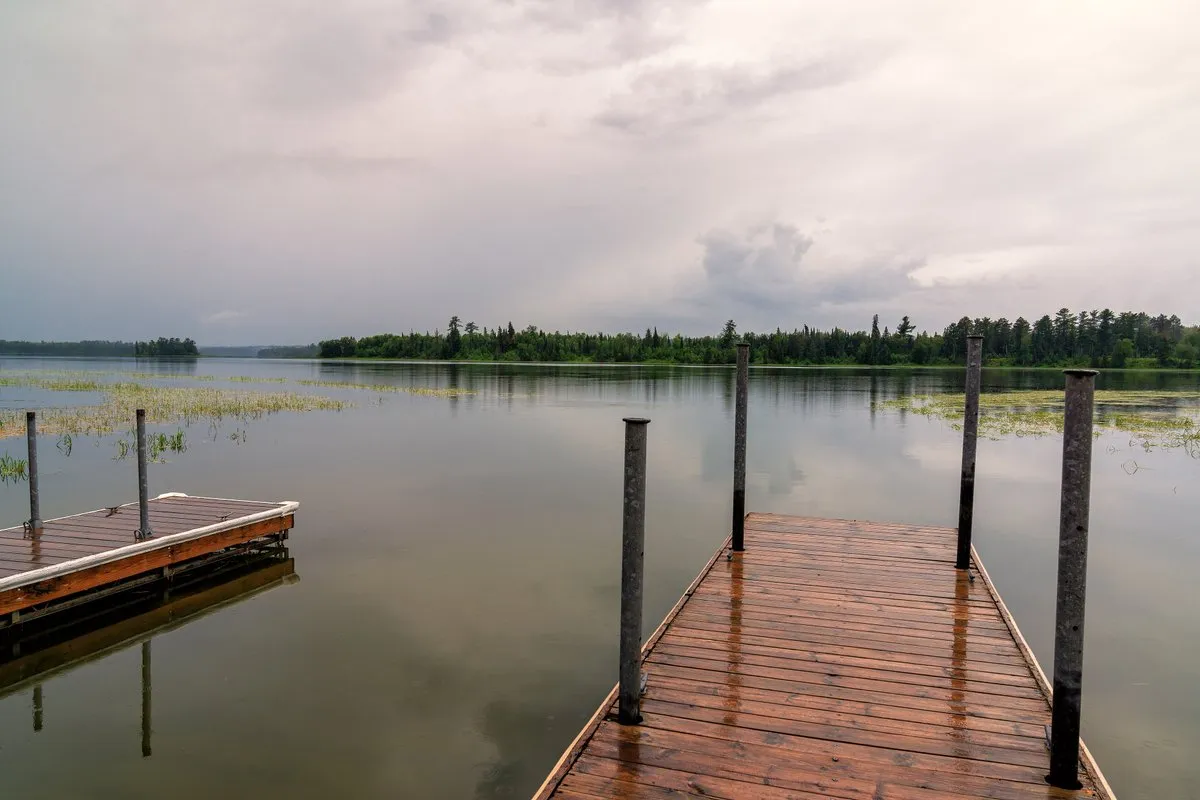
Itasca State Park sits in the lake-dotted forests of northwestern Minnesota and holds a distinction unlike any other park in the country: it’s where the Mississippi River begins. Visitors can wade across the river at its source, stepping from stone to stone over shallow water before it travels more than 2,300 miles to the Gulf of Mexico. Founded in 1891, Itasca is Minnesota’s oldest state park and covers more than 32,000 acres and includes large tracts of old-growth red and white pine forest, over 100 lakes, and some of the most serene woodland scenery in the upper Midwest.
The Mississippi Headwaters
The headwaters at Lake Itasca are the park’s centerpiece and one of the most visited spots in the Minnesota state park system. A short, accessible path leads to the outlet where the lake narrows and the river technically begins. Most visitors take off their shoes and walk across on the stepping stones, a tradition that feels both playful and genuinely moving. The area includes interpretive signage about the river’s history and the long debate among explorers over where the true source lay. Henry Schoolcraft, guided by Ojibwe leader Ozawindib, also known as Yellow Head, confirmed this location as the source in 1832.
Old-Growth Forest and Trails
Itasca protects one of the largest remaining stands of old-growth red and white pine in Minnesota. The Wilderness Drive, a 10-mile one-way scenic road open to both vehicles and cyclists, passes through these ancient trees. The Preacher’s Grove section along this route features towering pines that are several hundred years old. For hikers, the park has nearly 50 miles of trails ranging from easy loops near the headwaters to longer routes through quieter backcountry. The Schoolcraft Trail and the Dr. Roberts Nature Trail are popular options for seeing the forest up close without heavy elevation gain.
Wildlife and Birdwatching
The mix of lakes, wetlands, and mature forest makes Itasca a productive place for wildlife. White-tailed deer are common throughout the park, and black bears, beavers, otters, and timber wolves all live within the park’s boundaries. Bald eagles nest near several of the lakes and are frequently spotted soaring over the water. The park sits along a migratory corridor, which draws a wide variety of songbirds, shorebirds, and waterfowl during spring and fall. Birders especially value the forest interior species that rely on old-growth habitat, including species less commonly seen in more fragmented landscapes.
Pet Policy
Pets are welcome at Itasca State Park but must be kept on a leash no longer than six feet and attended at all times. They are allowed on most non-ski trails, in campgrounds, and in day-use areas. Pets are not permitted inside park buildings, in lodging, cabins, camper cabins, yurts, or tipis, on tours, or in beach areas. Owners are responsible for cleaning up after their animals throughout the park.
Practical Information
Itasca State Park is located in Clearwater, Hubbard, and Becker counties in north-central Minnesota, about 21 miles north of Park Rapids via U.S. Highway 71. The park’s coordinates are 47.1927, -95.2005. A Minnesota State Park vehicle permit is required for entry. The daily permit is $7 per vehicle; an annual permit costs $35 and covers all Minnesota state parks and recreation areas for a full year from the month of purchase. Permits are available at the park entrance or through the DNR website. Camping reservations are required for campsites and can be made through the Minnesota DNR reservation system, and booking ahead is strongly recommended for summer weekends. The park has several distinct campgrounds, a historic lodge, and cabin rentals. The headwaters walkway and Jacob V. Brower Visitor Center are open year-round, though some roads, lodging, and services are seasonal. Winter visitors come for cross-country skiing and snowshoeing on groomed and ungroomed trails. The nearest full-service town is Park Rapids, which has lodging, restaurants, and grocery options. The Friends of Itasca State Park is a nonprofit that supports the park through volunteer programs, educational events, and preservation work.
Wildlife to Be Aware Of
Black bears are present throughout Itasca State Park and are the primary wildlife concern for campers. Store food, trash, clothes worn while cooking, and toiletries in approved bear-resistant containers, or out of sight in a locked vehicle. Never leave food on a picnic table, cook near sleeping areas, or bring food into a tent. Bears in the park have access to extensive wilderness and are typically wary of people, but food odors reliably draw them into campsites. Timber wolves have a resident population in Itasca. Wolf encounters with visitors are uncommon, but wolves are present and active within the park’s boundaries. Do not approach, feed, or attempt to interact with any wolf. Keep pets leashed and close at all times, especially at dawn, dusk, and overnight. Ticks are a significant and consistent hazard throughout Itasca’s forest and brushy areas from early spring through late fall. The park’s old-growth forest, wetland edges, and trail network all see high tick activity. Deer ticks carry Lyme disease and anaplasmosis, both documented in this region. Apply repellent to skin and clothing before every outing, wear long socks over pant cuffs, and do a thorough full-body check after any time in the woods. Moose are occasionally seen near the park’s many lakes and wetlands, particularly in the early morning. They are large, unpredictable animals that can be aggressive, especially cows with calves in spring and early summer. Give any moose at least 50 yards of space and never approach or block their path.
Frequently Asked Questions
Are dogs allowed at Itasca State Park?
Dogs are welcome at Itasca State Park and may accompany you on most non-ski trails, in campgrounds, and in day-use areas, but they must remain on a leash no longer than six feet at all times. Pets are not permitted on designated swimming beaches, inside park buildings, or in any lodging including cabins, yurts, and tipis.
How much does it cost to enter Itasca State Park?
A daily vehicle permit costs $7, or you can purchase an annual Minnesota State Parks permit for $35, which covers entry to all Minnesota state parks and recreation areas for a full year from the month of purchase. Permits can be bought at the park entrance or through the DNR website.
Can you walk across the Mississippi River headwaters at Itasca?
Visitors can wade across the Mississippi at its source in Lake Itasca by stepping from stone to stone over the shallow outlet where the river officially begins its 2,300-mile journey to the Gulf of Mexico. A short, accessible path leads to the headwaters area, which also features interpretive signage about the river's history and Henry Schoolcraft's 1832 confirmation of the source.
Are there bears or wolves at Itasca State Park?
Black bears are present throughout the park and strict food storage is required at all campsites, and a resident timber wolf pack also lives within the park boundaries, so wolves should never be approached or fed and pets must be kept leashed. Moose are occasionally spotted near wetlands and lake edges, and visitors should give them a wide berth, especially cows with calves.