
Fort Snelling State Park
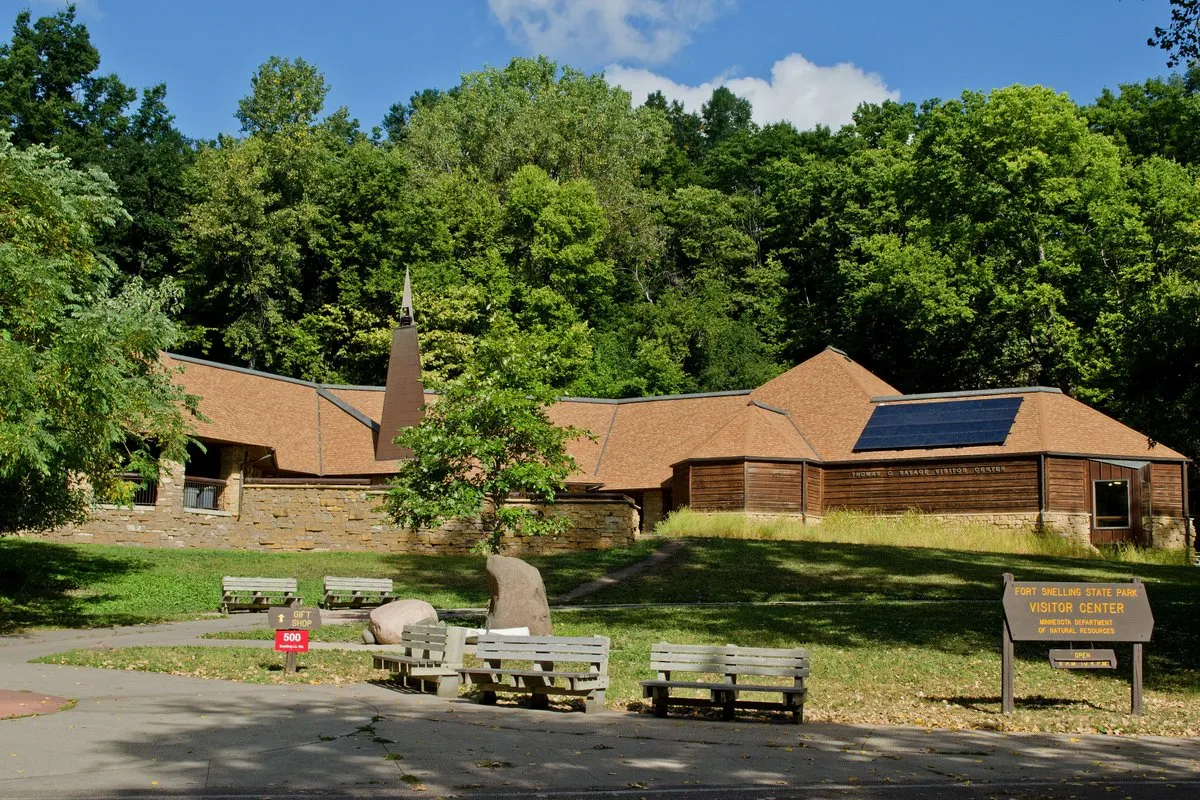
Fort Snelling State Park occupies one of the most historically and geographically significant pieces of land in Minnesota, where the Minnesota River flows into the Mississippi River at a point the Dakota people have called Bdote for thousands of years. The park sits at the edge of the Twin Cities metro, just minutes from the Minneapolis-Saint Paul International Airport, yet it manages to feel removed from the urban landscape around it. What makes it distinctive is the combination of genuine natural beauty along two major river corridors, an extraordinary depth of cultural and military history, and accessibility that few Minnesota state parks can match.
Historic Fort Snelling and the Cultural Landscape
The reason most people come here, at least for the first time, is the history. The round stone tower of Historic Fort Snelling is visible from highways and river bluffs, and the site has been a center of human activity for centuries before the U.S. Army built the fort in the early 1800s. The Dakota people have long regarded this confluence as sacred ground. The fort itself later became a place of profound suffering, where Dakota people were imprisoned in a concentration camp following the U.S.-Dakota War of 1862. That full history, difficult as parts of it are, is interpreted honestly at the site.
The Minnesota Historical Society operates Historic Fort Snelling separately from the state park, and it charges its own admission. Visitors who want to walk the reconstructed fort grounds, watch living history demonstrations, and engage with the site’s layered story should plan time specifically for that. The state park and the historic site share the landscape but are distinct experiences.
River Trails and the Confluence
The trail system is the backbone of the state park experience for most visitors. About 18 miles of trails run through the park, ranging from flat, paved paths along the river bottoms to steeper routes climbing the river bluffs. The Pike Island Hiking Trail is the signature hike, with one-, two-, and three-mile loop options around Pike Island and toward the river confluence. Walking it on a clear day, with the Mississippi moving past on one side and the Minnesota on the other, gives a clear sense of why this location has drawn people for so long.
Other trails follow the Minnesota River bottomlands through floodplain forest, connecting to Mendota and offering longer route options. Paved trails accommodate cyclists and are popular with commuters and recreational riders alike. Trail conditions vary significantly by season, as flooding affects the lower routes regularly in spring and sometimes into early summer.
Fishing is available throughout the park along both rivers, with walleye, catfish, northern pike, and a variety of panfish present. The park has boat access, including a Snelling Lake boat ramp for non-motorized boats and a river boat ramp on the Minnesota River. Fishing is available from shore, piers, canoes, and other watercraft where allowed.
Swimming and River Access
A small swimming beach is open during summer months at Snelling Lake, an inland lake within the park boundaries that offers calmer water than the rivers. The beach has a designated swim area with a seasonal lifeguard presence. Canoe and kayak rentals are available at the lake during the summer season, making it a good option for families who want to get on the water without their own equipment.
Pet Policy
Leashed pets are welcome on park trails and in most outdoor areas. The standard Minnesota state park leash rule applies: pets must be on a leash no longer than six feet at all times. Pets are not permitted on the swimming beach or in the swim area at Snelling Lake. Given the presence of ground-nesting birds and wildlife along the river bottoms, keeping pets controlled and close is both a rule and a practical necessity.
Wildlife to Be Aware Of
Ticks are active from spring through fall, particularly in the wooded bottomlands and grassy areas near both rivers. This park sees consistent tick activity given its location in a river corridor with dense vegetation. Check yourself, your children, and your pets thoroughly after every outing, and consider wearing long sleeves and pants when hiking through brush.
Coyotes are a regular presence in the park, as is common with urban-edge parks in the metro area. They are generally not aggressive toward people but should never be fed and should be given space. Small dogs and cats are particularly vulnerable if allowed to roam off-leash. Keep small pets close and in sight at all times.
Spring river flooding is one of the more significant hazards here. The Minnesota River in particular is prone to high water events that close trails in the bottomlands for days or weeks at a time. Before visiting in April, May, or after heavy rain at any time of year, check the Minnesota DNR website or call the park for current trail conditions.
Canada geese are abundant in the park and can be aggressive when nesting in spring. Geese guarding nests along trails and near the water will sometimes charge at people and pets who come too close. Give nesting birds a wide berth and keep pets back from any goose that appears to be standing its ground.
Practical Information
Fort Snelling State Park is located at the junction of Highway 5 and Highway 55 in the southwest corner of the Twin Cities metro, adjacent to the Minneapolis-Saint Paul International Airport. The park address is 101 Snelling Lake Road, Saint Paul, MN 55111. The nearest communities are Mendota Heights and West Saint Paul.
Vehicles entering the state park require a valid Minnesota state park vehicle permit. Daily permits cost $7 per vehicle. An annual Minnesota State Parks vehicle permit costs $35 and is valid at all state parks in Minnesota for one year from the month of purchase.
The park is open year-round. Trails may be icy in winter and flooded in spring. The Snelling Lake beach and rental operations are seasonal, typically running from Memorial Day through Labor Day. Reservations can be made through the Minnesota DNR reservation system at reservemn.usedirect.com or by calling 866-857-2757; Fort Snelling picnic shelters may also be reserved by calling the park.
Frequently Asked Questions
Are dogs allowed at Fort Snelling State Park?
Leashed pets are welcome on park trails and in most outdoor areas, though owners should be aware that coyotes are common in the park and Canada geese can be aggressive near nests in spring, so keeping small pets close and away from nesting birds is strongly advised.
How much does it cost to enter Fort Snelling State Park?
Daily vehicle entry costs $7, or visitors can purchase an annual Minnesota State Parks vehicle permit for $35, which covers entry to all Minnesota state parks for a full year.
Can I hike to Pike Island and the river confluence?
The Pike Island Loop is a roughly 2-mile trail that circles the island sitting directly at the confluence of the Mississippi and Minnesota Rivers, though trail conditions vary by season and spring flooding frequently closes lower routes, so checking conditions before visiting is recommended.
Is Historic Fort Snelling included with state park admission?
Historic Fort Snelling is operated separately by the Minnesota Historical Society and charges its own admission on top of the state park entry fee, so visitors who want to tour the reconstructed fort grounds and living history demonstrations should plan for both costs.