
Crater of Diamonds State Park
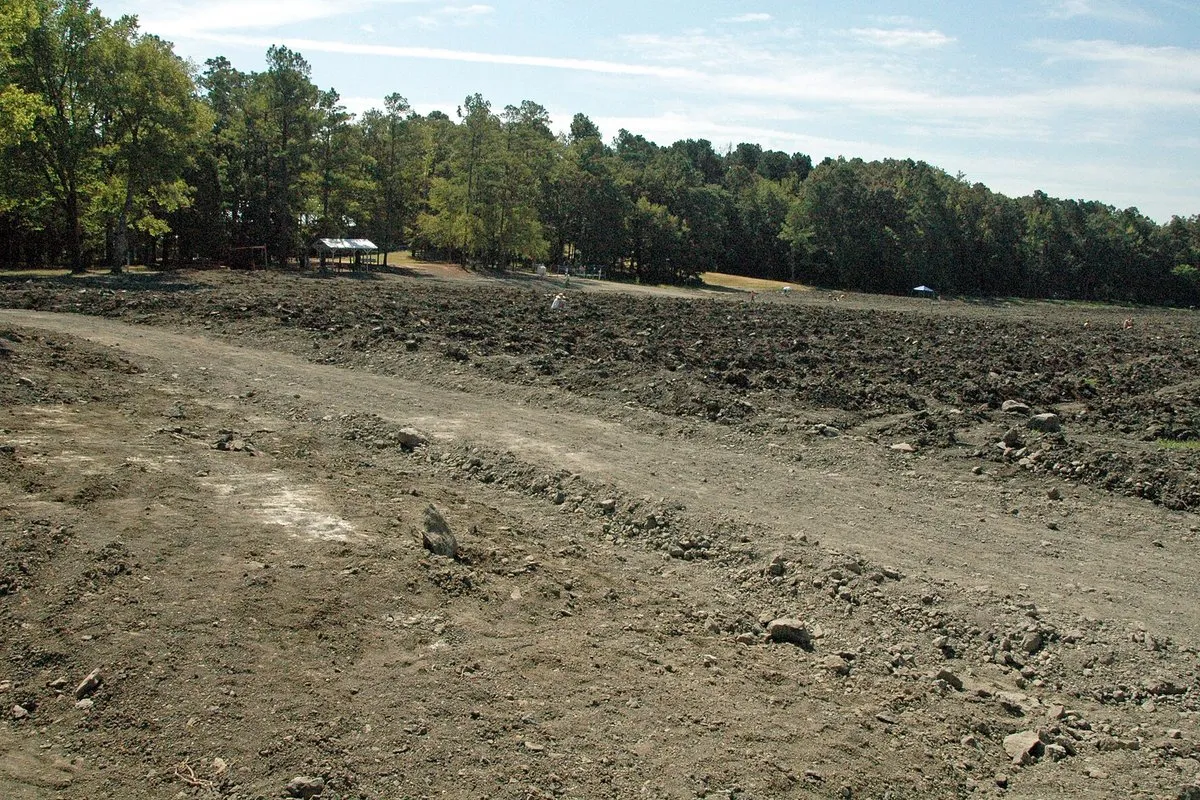
Crater of Diamonds State Park sits in southwest Arkansas near the town of Murfreesboro, occupying the eroded surface of an ancient volcanic crater. It is the only place in the world where the public can search for real diamonds in their original geological deposit and keep every gem they find. That combination of genuine treasure hunting and open access makes it unlike any other state park in the country.
Diamond Hunting in the Search Field
The heart of the park is a 37.5-acre plowed field, which is the exposed surface of an 95-million-year-old volcanic pipe. Diamonds formed deep in the earth and were carried to the surface by that eruption, and erosion continues to expose new stones over time. Visitors search by surface collecting, sifting, or wet screening. The park provides sifting screens and tools for rent near the field entrance, and staff at the Diamond Discovery Center can identify and register any stone you find.
Diamonds here come in a range of colors including white, brown, and yellow. The largest ever found by a park visitor was the 40.23-carat Uncle Sam diamond, discovered in 1924. More recently, visitors have found stones in the 2 to 8 carat range. Luck and patience both play a role, and many visitors leave empty-handed, but finds happen every week throughout the year.
The search field is open daily. Rain softens the surface and can make searching easier, and the days after a heavy rain are often considered the best time to look. Wear clothes you do not mind getting muddy, and bring sun protection because the field offers almost no shade.
The Diamond Discovery Center
The visitor center adjacent to the field is a useful stop before you start searching. Exhibits explain the geology of the volcanic crater, the history of diamond mining on the site, and how to distinguish rough diamonds from the quartz, jasper, and other minerals commonly found in the field. Staff members are available to examine stones and help visitors understand what they have found. The center also covers notable past discoveries, including gems that were later cut and set into jewelry for U.S. presidents.
Campground and Overnight Stay
The park has a campground with both hookup sites and tent sites, making it practical to spend more than a single day at the field. Multiple days of searching significantly improve the odds of a find. The campground is wooded and offers a quieter experience than the busy search field. Facilities include restrooms, hot showers, and a dump station. The Little Missouri River runs near the park boundary, and the campground area provides easy access to the riverbank.
Additional Activities and the River
Beyond diamond hunting, the park has a water playground area suited for children, picnic facilities, and a walking trail that runs along the edge of the search field and into the surrounding landscape. The Little Missouri River offers a place to wade and cool off during warm months, though swimming is informal and there is no designated swim area or lifeguard. Fishing along the river is possible for those who want a break from the field.
Pet Policy
Leashed pets are welcome in most areas of the park, including the campground and picnic areas. Pets are not permitted inside the Diamond Discovery Center or on the search field itself. Keep pets on a leash no longer than six feet at all times, and clean up after them throughout the park.
Wildlife to Be Aware Of
Venomous snakes are present in and around the park. Copperheads and water moccasins are the primary concerns, with water moccasins more commonly encountered near the Little Missouri River and along the wet edges of the search field after heavy rain. Watch where you step, especially in tall grass or near the riverbank, and avoid reaching into areas you cannot see clearly.
Ticks and chiggers are common throughout the warmer months, particularly in the grassy and wooded sections around the campground and along the river trail. Wear long pants and closed shoes when moving through vegetated areas, and apply insect repellent before entering the field or any wooded section. Check yourself and any children thoroughly after time outdoors. Chigger bites are intensely itchy but not dangerous, while ticks can transmit disease, so prompt removal matters.
Mosquitoes are active near the river and around the campground, with peak activity at dawn and dusk. Repellent is helpful during those hours, and covering arms and legs in the evening reduces exposure significantly.
Practical Information
Crater of Diamonds State Park is located at 209 State Highway 301, Murfreesboro, Arkansas. Murfreesboro is the closest town, roughly two miles from the park entrance. From Texarkana, take US-82 east to Murfreesboro, then follow signs to the park. From Hot Springs, take US-70 west to Malvern, then head southwest on AR-84 to Murfreesboro.
Entry fees cover access to the 37.5-acre search field. Adults 13 and older pay $15. Children ages 6 through 12 pay $7. Children under 6 enter free. Campsite reservations can be made through the Arkansas State Parks reservation system and are recommended during summer weekends and holidays. The park is open year-round, though the search field can close temporarily after severe weather or flooding. Summers are hot and humid, so early morning searches are more comfortable. Spring and fall offer the most pleasant conditions for spending extended time on the field.
Frequently Asked Questions
What is the entry fee for Crater of Diamonds State Park?
Adults 13 and older pay $15, children ages 6 through 12 pay $7, and children under 6 enter free, with all fees covering access to the 37.5-acre diamond search field.
Are dogs allowed at Crater of Diamonds State Park?
Leashed pets are welcome in most areas of the park, including the campground and picnic areas, but are not permitted inside the Diamond Discovery Center or on the search field itself.
When is the best time to search for diamonds at the park?
The days following a heavy rain are widely considered the best time to search, as rain softens the surface and helps expose new stones, and early morning visits are recommended in summer to avoid the heat.
Can the park identify a diamond I find in the field?
Staff at the Diamond Discovery Center, located adjacent to the search field, will examine any stone you find and provide free rock and mineral identification to confirm whether it is a diamond.