
Louisiana
Louisiana occupies the lower Mississippi River basin in the Deep South, where the continent drains into the Gulf of Mexico. The state sits at the crossroads of the Southeast and Gulf Coast, bordered by Texas to the west, Arkansas to the north, and Mississippi to the east. Its southern edge dissolves into a vast mosaic of coastal marshes, barrier islands, and open bays, making Louisiana one of the most ecologically distinctive states in the nation.
The landscape shifts dramatically from north to south. Northern Louisiana features rolling pine forests, red clay hills, and fertile bottomlands, while central Louisiana is home to Kisatchie National Forest, the state’s only national forest, with scenic bluffs and longleaf pine savannas. Moving south, the terrain flattens into the sprawling Atchafalaya Basin, the largest freshwater swamp in the United States, before giving way to coastal prairies, salt marshes, and the deltaic plain of the Mississippi River.
Louisiana is divided into five recognized travel regions: Greater New Orleans, Plantation Country along the River Road, Cajun Country in the south-central bayou belt, the Crossroads region in the geographic center, and Sportsman’s Paradise in the north and northeast. Each region offers a distinct character, from the jazz-soaked streets of New Orleans and the antebellum grandeur of River Road plantations to the pirogue-friendly waterways of Cajun Country and the bass fishing lakes of the north.
The state’s major draws for outdoor travelers include swamp and bayou paddling, Gulf Coast fishing and birding, and exploring the ancient earthworks at Poverty Point National Monument. Jean Lafitte National Historical Park and Preserve protects both natural wetlands and the storied cultural heritage of the Mississippi Delta, while New Orleans Jazz National Historical Park celebrates the birthplace of one of America’s most iconic music forms.
Spring and fall are the best times to visit Louisiana. March through May brings mild temperatures, blooming landscapes, and a packed festival calendar, while October and November offer cool breezes, vibrant fall color in the northern parishes, and some of the best conditions for wildlife viewing in the coastal marshes. Summer is intensely hot and humid, and hurricane season runs from June through November, making shoulder-season travel the top choice for most outdoor visitors.
Featured State Parks in Louisiana
-
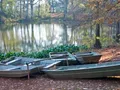
Chemin-A-Haut State Park
Peaceful bayou-side park in northeast Louisiana with camping, fishing, hiking, and excellent wildlife viewing.
-
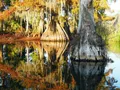
Chicot State Park
Cypress swamps, 18-mile lake loop trails, lakeside camping, and a state arboretum near Ville Platte.
-
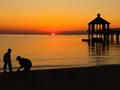
Fontainebleau State Park
Beach, bayou trails, and sugar mill ruins on the northern shore of Lake Pontchartrain.
-
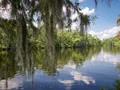
Sam Houston Jones State Park
Longleaf pines, peaceful bayous, and birding trails await at this 1,087-acre park near Lake Charles.
-
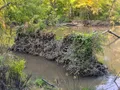
Tickfaw State Park
Four distinct ecosystems, swamp boardwalks, canoeing, and cabin camping near Springfield, Louisiana.