
Wood-Tikchik State Park
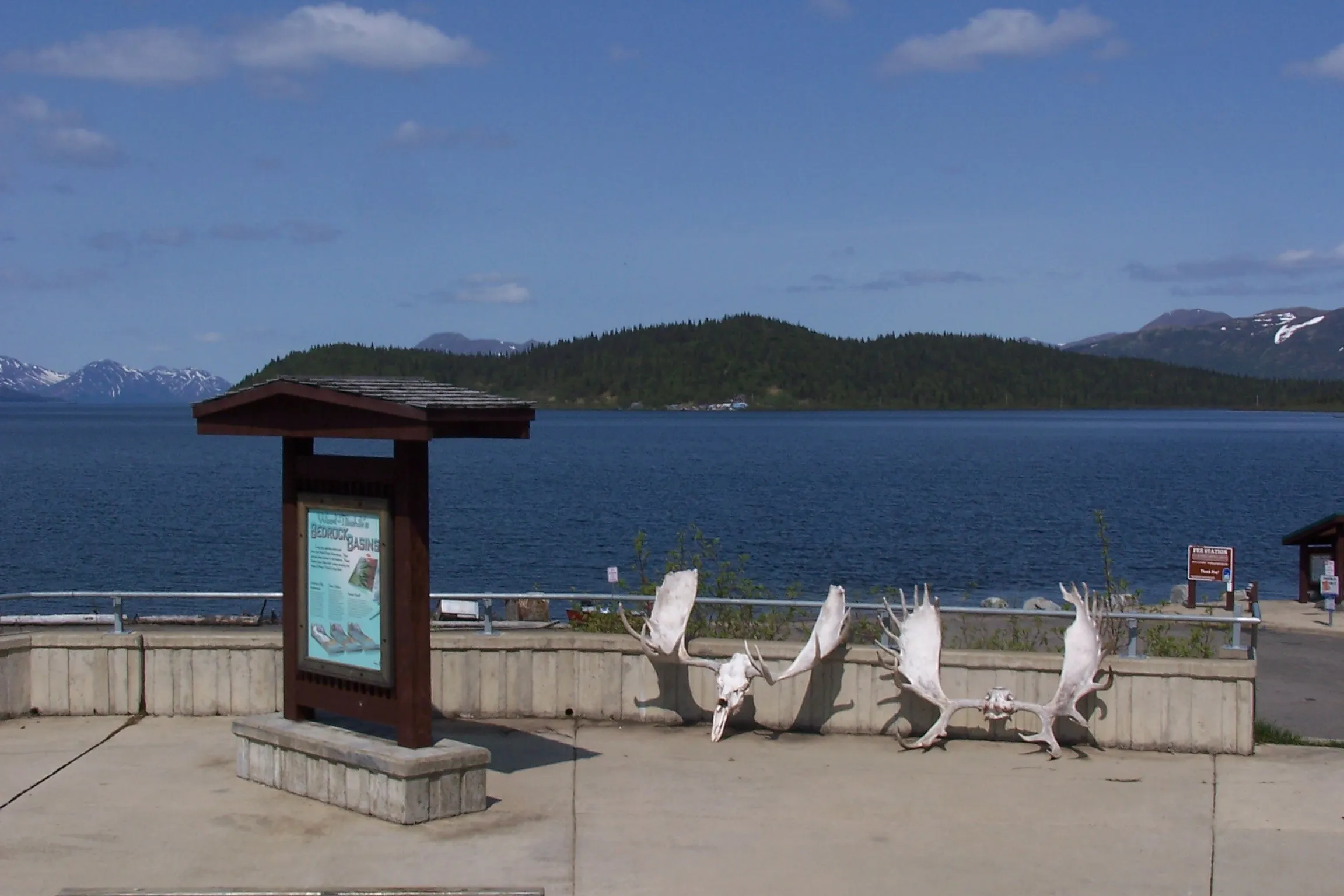
Wood-Tikchik State Park covers 1.6 million acres of remote wilderness in southwest Alaska, making it the largest state park in the United States by a wide margin. The park preserves two interconnected lake systems totaling more than 80 miles of pristine water, mountainous tundra, and some of the best wild salmon runs anywhere on Earth.
Getting There
Wood-Tikchik State Park has no road access. Most visitors begin in Dillingham, the main hub for southwest Alaska’s Bristol Bay region, after flying in from Anchorage. From there, access to the park is by air charter, boat, or a combination of both. Floatplanes are the most common and practical way to reach the deeper lake systems, especially the Tikchik Lakes and more remote upper basins.
The Wood River lake system is somewhat easier to approach because Lake Aleknagik lies north of Dillingham and is connected to the regional road network. Many paddling and fishing trips use Aleknagik as a staging point, then travel by boat, floatplane, or water route into the larger park. The Tikchik side is more remote and is generally reached by aircraft.
This is not a drive-up state park with trailheads, entrance stations, or developed campgrounds. Visitors should expect to arrange air taxis, boat transport, lodging, gear rentals, or guided services well in advance. Weather can delay flights and pickups, so every itinerary should include buffer time, extra food, and a plan for waiting safely in the field.
The Lakes
Wood-Tikchik is built around two great lake systems: the Wood River Lakes and the Tikchik Lakes. Together, they form more than 80 miles of connected water, with long glacial lakes, clear rivers, gravel bars, tundra slopes, and steep mountain backdrops. The park’s management philosophy emphasizes wilderness preservation, so facilities are intentionally limited and most travel is self-supported.
The Wood River Lakes are the more commonly visited system for paddling and fishing trips. Lakes such as Aleknagik, Nerka, Little Togiak, Kulik, and Beverly are linked by rivers and portage-style travel routes, creating a classic wilderness water trail. A full trip can involve days of paddling across big open lakes, moving between river sections, and camping on beaches or gravel bars.
The Tikchik Lakes are wilder and more remote. Nishlik, Slate, Upnuk, Tikchik, and Chikuminuk sit deeper in the park and often require aircraft access. These lakes are known for dramatic scenery, excellent fishing, and a stronger sense of isolation, but they also require more planning. Several upper Tikchik areas require camping or float-trip permits, and permits are limited.
Paddlers should not underestimate the lakes. Even experienced canoeists and kayakers can be pinned down by wind, whitecaps, cold water, and sudden weather changes. Trips here are best suited to people with wilderness camping experience, cold-water safety knowledge, and enough flexibility to wait out bad conditions.
Salmon and Wildlife
Wood-Tikchik State Park protects one of the most productive wild salmon landscapes in Alaska. The Wood River and Tikchik systems support major runs of sockeye salmon, along with other salmon species that move through the rivers and lake outlets during the summer. Those salmon are the foundation for much of the park’s wildlife, fishing, and traditional subsistence use.
Fishing is one of the main reasons people make the effort to reach the park. Anglers come for salmon, rainbow trout, Arctic char, grayling, lake trout, and northern pike, depending on the lake, river, and season. Most visitors either travel with experienced guides or stay at remote lodges because regulations, access, weather, and bear safety all require careful planning.
Brown bears are common in salmon areas, especially near river mouths, spawning streams, gravel bars, and fish-cleaning sites. Black bears may also be present in some areas. Campers should use strict food storage, cook away from sleeping areas, keep a clean camp, carry bear deterrent, and never leave fish remains near camp.
The park also supports moose, caribou, wolves, foxes, beavers, otters, wolverines, porcupines, and many smaller mammals. Birdlife is abundant, with bald eagles, loons, gulls, terns, ptarmigan, spruce grouse, shorebirds, and waterfowl using the lakes and wetlands. The best wildlife viewing often comes quietly from camp, a boat, or a lakeshore, but distance and caution are essential.
Pet Policy
Pets are allowed in Alaska state parks, but Wood-Tikchik’s remote setting makes bringing a dog or other pet much more complicated than it would be at a road-access park. In developed state park areas, pets must be on a leash no longer than 9 feet and under control. In undeveloped areas, they still need to be under control at all times, and owners are responsible for cleaning up after them.
In practical terms, most visitors should think carefully before bringing a pet into Wood-Tikchik. Travel usually involves small aircraft or boats, cold water, rough weather, bear country, remote camps, and limited emergency options. A dog that chases wildlife, reacts to bears, gets injured, or jumps from a boat can create a serious safety problem for the entire group.
Anyone bringing a pet should confirm transport rules with air taxis, boat operators, lodges, or guides before booking. Pets should be leashed around camps, shorelines, aircraft, boats, and any other visitors, and they should never be allowed to approach wildlife, fish-cleaning areas, or neighboring camps.
Practical Information
Wood-Tikchik is a true wilderness park, not a casual roadside stop. It is best suited to experienced paddlers, anglers, backcountry campers, hunters, photographers, and travelers using remote lodges or professional guides. Independent visitors need strong trip-planning skills, reliable communication, bear-safety knowledge, cold-water judgment, and the ability to handle delays without outside help.
There are few developed facilities. The entire park is generally open to camping, but low-impact camping is expected, and visitors should pack out everything they bring in. Camping at one undeveloped location is limited, after which camp must be moved at least one mile away. Fires are restricted to appropriate durable surfaces such as beaches, gravel bars, or provided fire pits where available.
Permits are required for camping on or around Nishlik Lake, Slate Lake, Upnuk Lake, Chikuminuk Lakes, and for floating the Tikchik River. These permits are limited and carry a separate fee, so groups planning to use the upper Tikchik areas should arrange permits well ahead of time.
The main travel season is summer, roughly June through September, with the busiest fishing and lodge activity tied to salmon runs and flying conditions. Early season can bring lingering cold, high water, and insects, while late season can bring storms, shorter days, and colder nights. Weather can disrupt aircraft access in any month.
Wildlife to Be Aware Of
Brown bears are present in high densities throughout Wood-Tikchik, particularly near salmon streams, river mouths, and spawning areas. Bear safety is not optional here — store food away from sleeping areas, cook and clean fish well away from camp, carry bear spray and know how to use it, and keep a clean camp at all times. Black bears are present in the northern and eastern portions of the park. Wolves and wolverines also inhabit the area. Moose and caribou move through the park and should never be approached. Mosquitoes and biting flies are intense from June through August; head nets and insect repellent are essential for any trip during this period. All water sources must be treated before drinking, as waterborne parasites including Giardia are present throughout the watershed.
Costs are a major consideration. Visitors should budget for commercial flights to Dillingham, local air taxi or boat transport, possible guide or lodge fees, gear rental, food, satellite communication, and weather-delay expenses. This is one of Alaska’s most extraordinary state parks, but it rewards preparation more than spontaneity.
Frequently Asked Questions
Is there an entry fee for Wood-Tikchik State Park?
Wood-Tikchik State Park does not charge a standard day-use fee, though camping permits are required and fees apply in some lake areas.
Are dogs allowed in Wood-Tikchik State Park?
Wood-Tikchik State Park is a remote wilderness with extremely high brown bear density near salmon streams, so visitors bringing dogs should be aware that all standard bear safety and food storage rules apply at all times throughout the park.
How do you get to Wood-Tikchik State Park?
The park has no road access and is most commonly reached by flying into Dillingham from Anchorage, then taking a floatplane or air charter into the lake systems, with the Wood River side being somewhat easier to access via Lake Aleknagik and the Tikchik Lakes requiring aircraft.
Is Wood-Tikchik State Park good for float trips and fishing?
The park offers some of the best wild salmon runs on Earth along with remote float trip routes suitable for families with wilderness camping experience as well as experienced anglers, all accessed across more than 80 miles of interconnected lakes.