
Chugach State Park
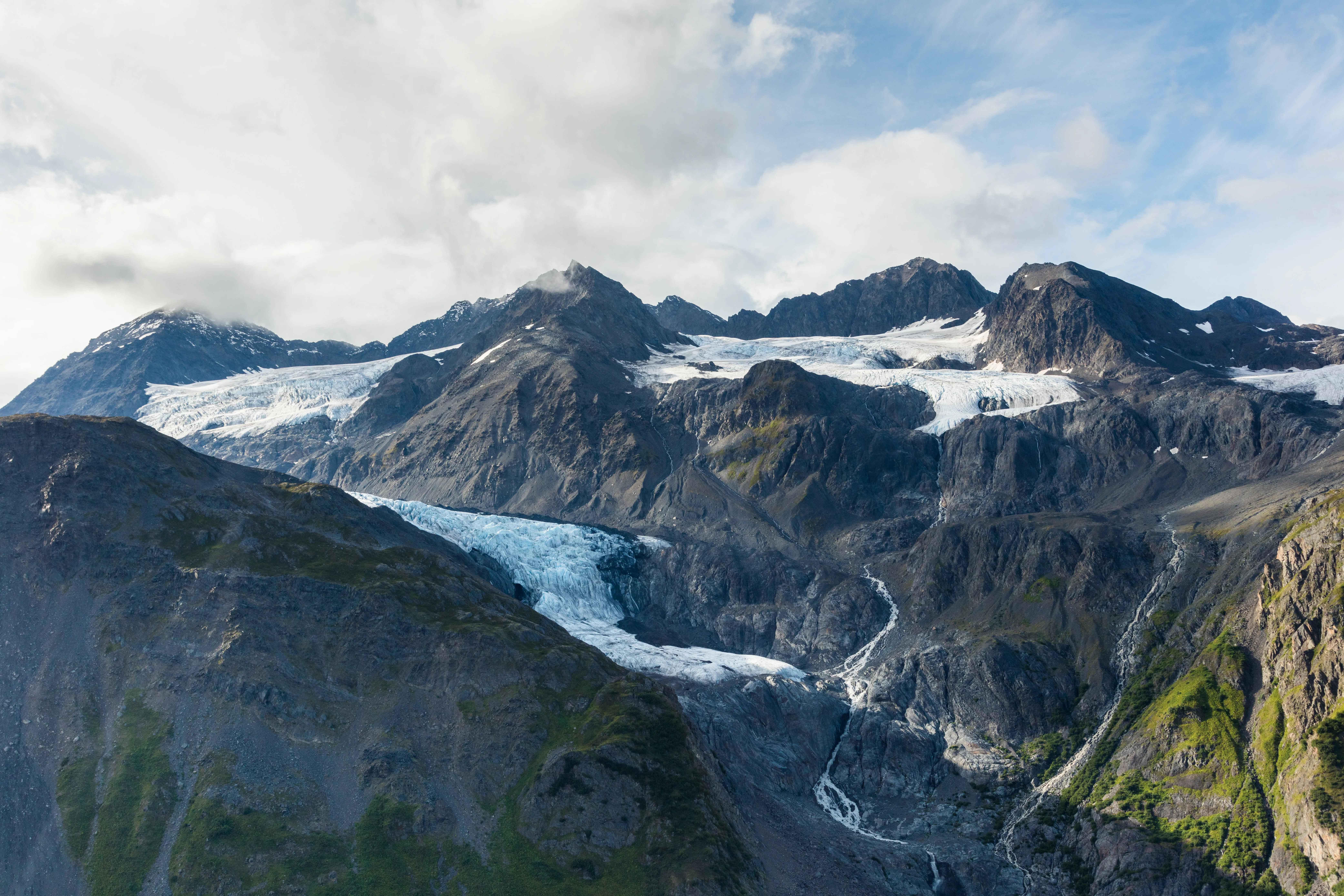
Chugach State Park is a 495,000-acre wilderness preserve that begins at the eastern edge of Anchorage and extends into some of the most rugged terrain in Southcentral Alaska. For a city of nearly 300,000 people, the proximity is extraordinary: trailheads open into genuine backcountry within a fifteen-minute drive of downtown. The park encompasses glaciers, alpine tundra, river valleys, and peaks exceeding 8,000 feet, making it one of the most accessible large wilderness areas in the United States.
Mountain Hiking and Alpine Access
The defining experience at Chugach is the hiking. Dozens of trails climb from the city’s edge into open alpine terrain, and many are graded well enough that hikers without technical experience can reach true mountaintop views. Flattop Mountain is the most popular summit in the park and one of the most climbed peaks in Alaska, a moderate scramble that rewards with a panorama of Anchorage, Cook Inlet, and the Alaska Range. Other trails like the Powerline Pass route and the Williwaw Lakes loop take hikers deeper into the interior, passing tundra ponds and glacier-carved valleys with minimal crowds by midweek.
The park has made meaningful investments in accessible hiking. The Eagle River Nature Center area and portions of the lower Flattop trailhead have improved surfaces and facilities that accommodate visitors with limited mobility, which is rare for a park of this scale and elevation.
Above treeline, conditions can change fast regardless of the season. Snow lingers on north-facing slopes into July, and afternoon weather can deteriorate quickly even on clear summer mornings. Layered clothing and rain gear are standard equipment.
Glaciers, Rivers, and Interior Valleys
The park’s interior holds terrain most visitors never see. The Eklutna Glacier and the valleys feeding it are accessible by multi-day backpacking routes or floatplane. The Eagle River drains a wide glaciated valley and offers one of the more scenic corridor hikes in the park, running roughly 25 miles from the coast to the glacier’s edge. The Nature Center at mile 12 of Eagle River Road serves as a popular staging point, with rangers on staff and a good orientation exhibit.
Eklutna Lake, just north of the main park boundary, connects to park lands and is the largest lake in the region. It draws paddlers, cyclists on the lakeside trail, and campers. Fishing for Dolly Varden and rainbow trout is permitted at Eklutna Lake, though it is a secondary draw rather than the primary reason most visitors come to this corridor.
Winter Recreation
Chugach receives significant snowfall and cold temperatures that make it a four-season destination. Backcountry skiing and snowshoeing are popular from November through April, and the park draws a dedicated community of ski mountaineers who use summer trails as winter routes into high bowls. Avalanche terrain is real and widespread above treeline; anyone venturing into the alpine in winter should carry appropriate rescue gear and have current avalanche training.
Lower elevation areas near Glen Alps and the Eagle River valley offer snowshoeing and cross-country skiing that are manageable for casual winter visitors.
Pet Policy
Dogs are permitted throughout most of the park and are welcome on trails. They must remain on a leash no longer than six feet at all developed trailheads and day-use areas. In the backcountry, voice control is allowed in some zones, but given the density of wildlife in the park, leashing is strongly recommended at all times. Dogs are not permitted inside park buildings. Clean up after pets in all areas.
Wildlife to Be Aware Of
Both brown bears and black bears are active throughout the park. Bear encounters are common enough that carrying bear spray is not optional: treat it as required equipment on any trail. Make noise while hiking, especially in dense brush or near streams where bears may not hear your approach. Keep food stored in bear-resistant containers when camping.
Moose are the more immediate hazard for most visitors. They are present year-round in the lower valleys and along river corridors, and they account for more injuries in the Anchorage area than bears do. A moose that feels cornered or threatened, particularly a cow with a calf, will charge without warning. Give moose a minimum of 25 yards of space and more if possible. If a moose is on the trail, wait for it to move on or take a wide detour.
Wolves are present in the park but rarely encountered. If you do see one, maintain distance and do not approach.
Dall sheep are visible on high ridgelines throughout the park, sometimes in large groups. They are wild animals and should be observed from a distance. Approaching sheep on exposed ridges stresses the animals and can push them into dangerous terrain.
Practical Information
Chugach State Park is directly east of Anchorage, Alaska. The main access points include the Glen Alps trailhead off Hillside Drive, the Eagle River Nature Center via Eagle River Road, and the Eklutna Lake area off the Glenn Highway. Anchorage is the nearest city and provides full services including gear shops, groceries, and lodging.
Day-use fees are $5 to $10 per vehicle depending on the specific facility. An annual parking pass costs $60 and covers most state park day-use areas in Alaska. Campground fees are charged separately and vary by site.
Campground reservations can be made through the Alaska State Parks reservation system and are recommended during summer weekends. The core hiking season runs from late May through September. The park is open year-round, though some access roads are not plowed in winter and facilities may be reduced. Cell service is limited once you move beyond the trailheads.
Frequently Asked Questions
How much does it cost to enter Chugach State Park?
Entry fees range from $5 to $10 per vehicle depending on the facility, and an annual pass is available for $60, with campground fees charged separately.
Are dogs allowed on trails in Chugach State Park?
Dogs are permitted throughout most of the park and must be on a leash no longer than six feet at all developed trailheads and day-use areas. Given the density of wildlife in the park, leashing is strongly recommended in the backcountry as well.
Is it safe to hike Chugach State Park given the wildlife?
Hikers should carry bear spray on all trails due to the presence of both brown and black bears, and should stay at least 25 yards from moose, which are responsible for more injuries than bears in the Anchorage area.
Can beginners hike to a summit in Chugach State Park?
Flattop Mountain is a moderate scramble accessible to hikers without technical experience and offers panoramic views of Anchorage, Cook Inlet, and the Alaska Range, making it one of the most popular beginner-friendly summits in the park.