
Chilkat State Park
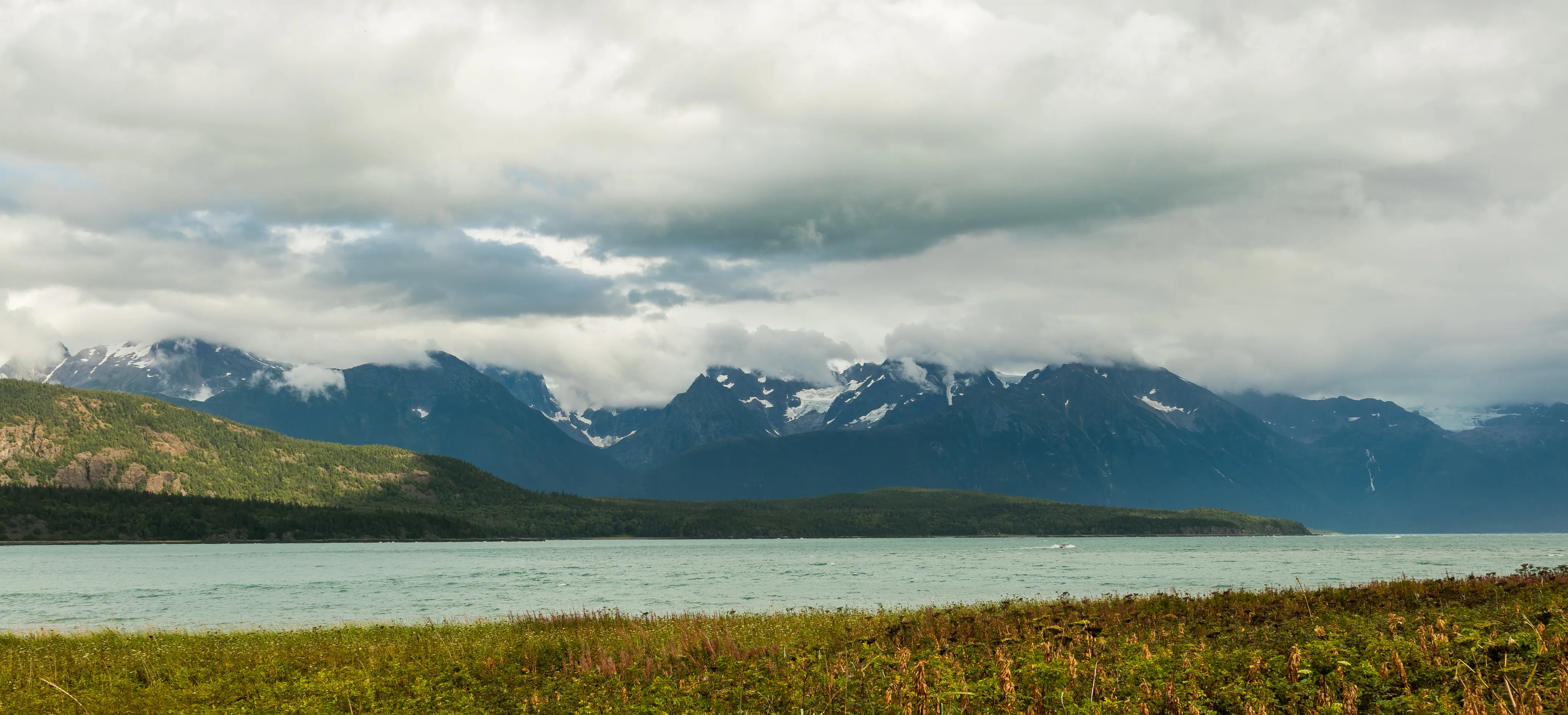
Chilkat State Park sits at the southern end of the Chilkat Peninsula near Haines, Alaska, covering about 6,000 acres of coastal forest and shoreline along the Chilkat and Chilkoot inlets. What sets it apart from other Southeast Alaska parks is the clarity of its glacier views: on a clear day, visitors can see across the water to the Davidson Glacier and Rainbow Glacier from the beach, framed by the peaks of the Chilkat Range. It is a quiet, unhurried park without crowds, well suited to people who want coastal scenery and basic outdoor recreation without a lot of infrastructure around them.
Glacier Views and the Chilkoot Inlet Shoreline
The primary draw here is the waterfront. The park’s shoreline faces east across the Chilkoot Inlet, and the glaciers visible on the far slopes are among the most accessible glacier views in the Haines area without requiring any hiking. A short walk from the campground leads to gravel and cobble beaches where the views open up fully. Morning light and calm water make for especially good conditions. This is also a productive spot for watching harbor seals, bald eagles, and seabirds that concentrate along the inlet. The experience is largely passive, meaning you arrive, you look out, and the landscape does the work.
Hiking the Park’s Trail System
Chilkat State Park has a modest but rewarding trail network. The main hiking route is the Seduction Point Trail, a roughly 7-mile round trip that follows the shoreline through old-growth Sitka spruce and hemlock forest before reaching the point where the Chilkat and Chilkoot inlets meet. The trail involves some elevation change and passes through areas that feel genuinely remote despite the relatively short distance. Tidal conditions and wet terrain are normal, so waterproof footwear matters. There is also a shorter beach walk accessible directly from the campground for visitors who want less mileage. Neither trail is heavily maintained by Lower 48 standards, which is part of the appeal.
Camping at Chilkat State Park
The campground offers 32 sites suitable for tents and RVs, with vault toilets but no hookups or dump stations. The setting is forested with enough tree cover to provide some shelter from rain, which is a real consideration in Southeast Alaska. Campsites are spaced reasonably well and the atmosphere is calm. Because the campground is not far from Haines, it functions well as a base for exploring the broader area, including the American Bald Eagle Foundation and the Sheldon Museum in town. Reservations are accepted and worth making in summer, particularly for the weeks around the Southeast Alaska State Fair in August.
Pet Policy
Pets are allowed in Chilkat State Park and must be kept on a leash no longer than six feet at all times. This applies on trails, in the campground, and along the beach. Given the wildlife activity in the park, particularly bears near salmon streams in late summer and fall, keeping dogs leashed and under control is important for the animal’s safety as much as compliance. Pets are not allowed in any enclosed park structures.
Wildlife to Be Aware Of
Both brown bears and black bears use the park, and activity increases significantly in late summer and fall when salmon are running in nearby streams. Store all food, coolers, and scented items in a hard-sided vehicle, not in a tent or bear box if a vehicle is available. Bears that associate campsites with food can become a serious problem quickly. Keep a clean camp and dispose of fish scraps properly.
Moose are present throughout the park and are more dangerous than many visitors expect. A cow with calves, which is common in spring and summer, will charge if she feels her young are threatened. Give moose a wide berth and do not approach for photographs. If a moose pins its ears back or raises its hackles, move away immediately and put something solid between you and the animal.
Mountain goats are visible on the slopes across the inlet but are not typically encountered on the trails, so they pose little direct hazard. They are worth watching for with binoculars from the beach.
Hypothermia is a real and underappreciated risk in coastal Alaska. Weather can shift from mild to cold and wet within an hour. Even summer temperatures combined with wind and rain can bring on hypothermia in underprepared visitors. Bring layered clothing and waterproof outerwear regardless of what the morning looks like, and change out of wet clothes promptly.
Practical Information
Chilkat State Park is located approximately 7 miles south of Haines on Mud Bay Road. Haines is the nearest town and provides full services including fuel, groceries, and lodging. Access to Haines itself requires either a ferry through the Alaska Marine Highway System or the overland route through Canada via the Haines Highway, so factor travel logistics into any trip plan.
Day-use parking fees are $5 to $10 per vehicle. Camping is $20 per night. An annual Alaska State Parks pass costs $60 and covers day-use entry across the state park system. Reservations for campsites can be made through the Alaska State Parks reservation system online. The park is accessible year-round, but services are limited outside of May through September. Summer brings long daylight hours and the best conditions for hiking and wildlife viewing.
Frequently Asked Questions
How much does it cost to visit or camp at Chilkat State Park?
Day-use parking costs $5 to $10 per vehicle, and overnight camping is $20 per night, with an annual pass available for $60.
Are dogs allowed at Chilkat State Park?
Dogs are allowed at Chilkat State Park and must be kept on a leash no longer than six feet at all times, including on trails, in the campground, and along the beach. Pets are not allowed inside any enclosed park structures.
Can you see glaciers from Chilkat State Park without hiking?
The park's shoreline along the Chilkoot Inlet offers clear views of the Davidson Glacier and Rainbow Glacier from the beach with no hiking required on a clear day.
What wildlife should visitors watch out for at Chilkat State Park?
The park has active brown and black bears near salmon streams, moose cows with calves that can charge without warning in spring and summer, and fast-changing coastal weather that can cause hypothermia, so visitors should store food in their vehicle and bring layers and rain gear.