
Lewis and Clark Caverns State Park
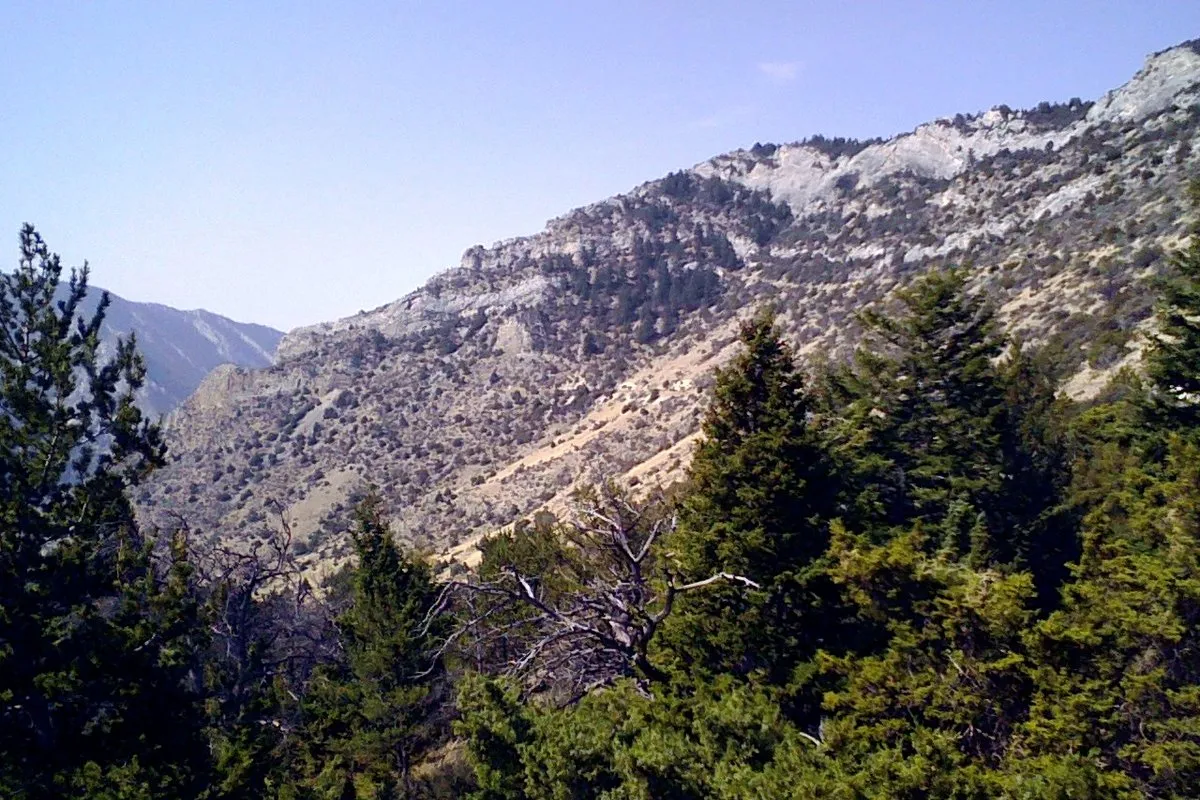
Carved into the limestone ridges above the Jefferson River valley in southwestern Montana, Lewis and Clark Caverns State Park holds the distinction of being Montana’s oldest state park, established in 1937. The park protects one of the largest known limestone cavern systems in the Pacific Northwest, drawing visitors from across the region who come specifically to walk through its underground chambers. Above ground, the park offers camping, hiking, and sweeping views of the surrounding river valley, but the caves are the reason people make the drive.
The Cavern Tours
The cave experience here is the core of the park, and tours are the only way to access the interior. The classic Cave Tour runs approximately two hours and covers the main cave system, taking visitors through a series of chambers filled with stalactites, stalagmites, columns, and helictite formations. The trail through the cave involves some crawling, crouching, and climbing, making it unsuitable for visitors with mobility limitations or claustrophobia. The Paradise Tour offers a longer, more intensive experience for those who want a deeper look at the cave’s geology. Both tours are guided, and rangers provide commentary on formation types, cave ecology, and the history of the site.
Tour capacity is limited, and summer dates fill up quickly. Reservations are strongly recommended. Adult tickets run approximately $12, and children’s tickets are approximately $5, though prices vary by tour type. These fees are separate from the park entry fee.
The resident bat colony living in the cave system is actively protected. White-nose syndrome, a fungal disease that has devastated bat populations across North America, is a serious concern. Visitors are asked not to touch cave walls, formations, or any wildlife during tours. Staff may inspect gear or clothing for contamination before entry, particularly if visitors have been in other cave systems.
Hiking the Ridgeline
Above the cave entrance, a trail system follows the limestone ridges with views down into the Jefferson River valley. The trails are moderate in difficulty, gaining elevation quickly from the trailheads near the visitor center. The terrain is open and rocky in sections, with scattered ponderosa pine and native grasses. Distances are relatively short, making the hikes manageable as a complement to a cave tour rather than a destination on their own. Trails can be hot and exposed in midsummer, so carrying water is important.
Camping Along the Jefferson River
The campground occupies the lower section of the park near the Jefferson River, and the setting is markedly different from the rocky hillside above. Sites are shaded and positioned along or near the river corridor. The campground includes both tent and RV sites, with basic facilities including restrooms and water. Camping fees are separate from the day-use vehicle fee. The river provides a pleasant backdrop, and evenings tend to be cooler than the exposed hillsides above.
Reservations for camping are advisable during peak summer months. The campground is not a large or developed facility, so availability can be limited on busy weekends.
Pet Policy
Pets are permitted in the park but must be kept on a leash no longer than six feet at all times. Pets are not allowed inside the caves or on cave tours under any circumstances. They are welcome on the hiking trails and in the campground. Owners are responsible for cleaning up after their animals, and pets should not be left unattended at campsites.
Wildlife to Be Aware Of
Rattlesnakes are present throughout the park, particularly on the rocky hillsides and along trail margins. Warm months, especially late spring through early fall, bring the highest activity. Watch where you step and where you place your hands on rocky terrain. Give any snake you encounter a wide berth and do not attempt to handle or relocate it.
Mountain lions inhabit the wooded and backcountry areas of the surrounding landscape. Sightings are rare, but the animals are present. If you encounter a mountain lion, do not run. Stand your ground, make yourself appear large, and back away slowly. Keep children and pets close on trails.
Black bears may be active in the campground and around trailheads. Store all food, coolers, and scented items in your vehicle or a designated bear box, and secure trash in provided containers. Do not leave food unattended at your campsite, and be aware of your surroundings when walking between the campground and trailhead areas after dark.
Inside the caves, the bat colony is both a wildlife concern and a conservation priority. Do not touch bats, cave surfaces, or formations. If you have visited other cave systems recently, inform staff before your tour. Following guide instructions carefully is essential for both visitor safety and the protection of the bat population.
Practical Information
Lewis and Clark Caverns State Park is located along Highway 2 between Whitehall and Three Forks in Jefferson County, Montana, approximately 19 miles west of Three Forks and 35 miles east of Whitehall. The park entrance is well marked from the highway. The nearest full-service town is Three Forks, which offers fuel, lodging, and groceries.
The park is open seasonally, with cave tours typically running from mid-May through late September. Hours and tour availability vary across the season, with the most frequent tours offered in summer. The visitor center is the starting point for cave tours and is staffed during operating hours.
Day-use entry fees are $8 per vehicle for Montana residents and $10 per vehicle for non-residents. Cave tour fees are charged separately, at approximately $12 for adults and $5 for children, depending on the tour type selected. Camping fees are in addition to the day-use fee. Reservations for cave tours are strongly recommended and can be made through Montana State Parks.
Frequently Asked Questions
Can I bring my dog to Lewis and Clark Caverns State Park?
Dogs are welcome on the hiking trails and in the campground as long as they are kept on a leash no longer than six feet, but pets are not permitted inside the caves or on any cave tours under any circumstances.
How much does it cost to visit Lewis and Clark Caverns State Park?
Day use entry is $8 per vehicle for Montana residents and $10 per vehicle for non-residents, and guided cave tours cost approximately $12 for adults and $5 for children, with those tour fees charged separately from the entry fee.
Do I need a reservation for a cave tour?
Reservations are strongly recommended, especially in summer, as tour capacity is limited and popular dates fill up quickly.
Do I need to reserve a campsite, and how much does camping cost?
Reservations are advisable during peak summer months since the campground is not a large facility and availability can be limited on busy weekends, and camping fees are charged separately from the day-use vehicle entry fee.