
Bannack State Park
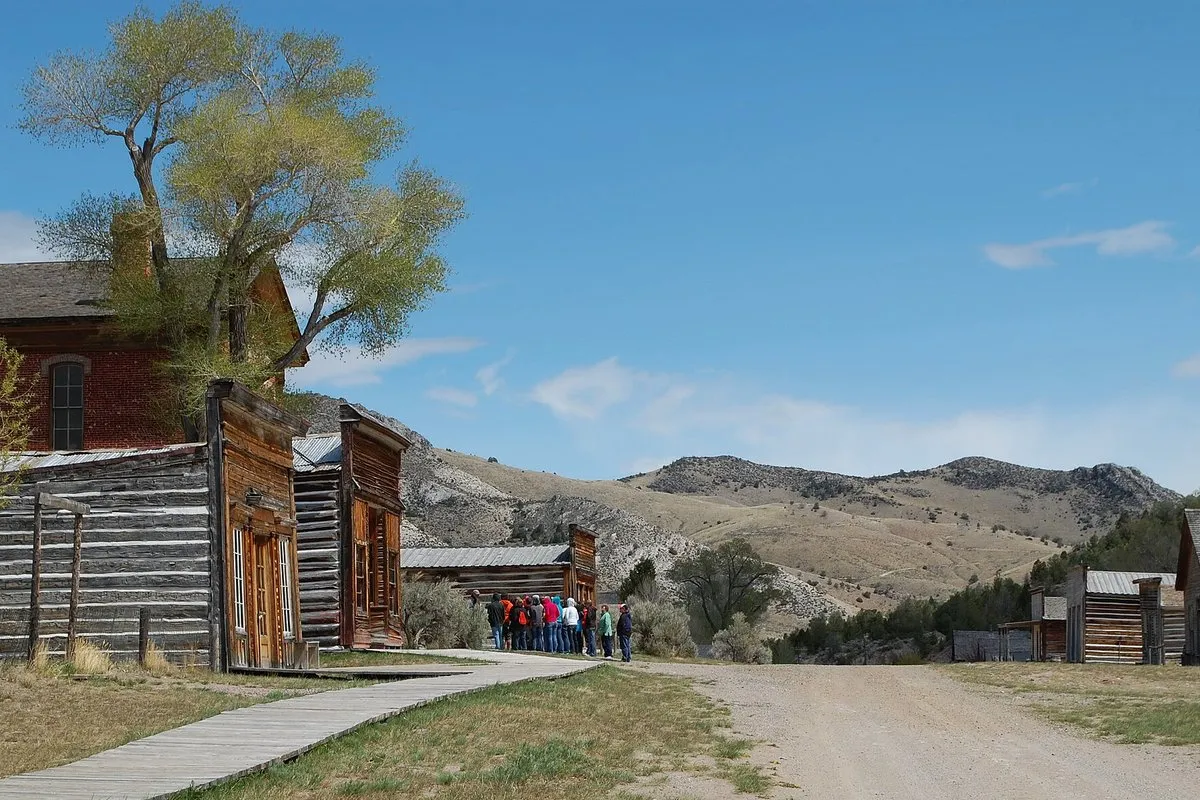
Bannack State Park preserves one of the most intact ghost towns in the American West, a former gold rush boomtown in the remote Beaverhead Valley of southwestern Montana. The town of Bannack sprang up in 1862 after gold was discovered along Grasshopper Creek, and it briefly served as Montana Territory’s first capital. Today more than 60 historic structures still stand along the original dirt streets, making this a National Historic Landmark and one of the most authentic windows into 19th-century frontier life anywhere in the country.
Walking the Ghost Town
The central experience at Bannack is walking through the townsite itself. Visitors can move freely through the streets and enter many of the standing structures, including the old hotel, jail, Masonic lodge, church, and numerous cabins and homes. Unlike many historic sites, Bannack encourages hands-on exploration rather than cordoned-off viewing. The buildings are maintained in a state of arrested decay, meaning they are stabilized but not restored to look artificially new. That approach gives the place a genuine atmosphere that restored sites rarely achieve. Interpretive signs throughout the townsite explain the history of specific buildings and the people who lived and worked in them, including figures like Henry Plummer, the notorious sheriff who secretly led a road agent gang responsible for dozens of killings in the region during the early 1860s.
A short loop trail runs along Grasshopper Creek and connects back through the townsite, adding a bit of natural scenery to the historical walk. The trail is easy and accessible for most visitors. The terrain around the townsite is open and semi-arid, with sagebrush flats and dry hillsides rising behind the buildings.
Bannack Days and Seasonal Programs
Each year, typically on the third weekend of July, Bannack State Park hosts Bannack Days, a living history event that draws crowds from across the region. Volunteers in period clothing demonstrate blacksmithing, gold panning, spinning, and other 19th-century skills, and the streets fill with costumed characters in a way that briefly brings the town back to life. It is one of the most popular events in Montana’s state park system and worth planning around if your schedule allows. The park also hosts smaller interpretive programs during the summer season. Check with Montana State Parks for current event listings before your visit.
Camping at Bannack
Bannack has a campground with basic facilities suited for tent camping and smaller RVs. Sites are located near Grasshopper Creek, within easy walking distance of the townsite. Hookups are not available, but vault toilets and water are provided during the operating season. The campground fills during Bannack Days and on busy summer weekends, so arriving early or making a reservation is advisable during those periods. The setting is quiet outside of peak times, and evenings in the valley can be genuinely dark and clear, making for good stargazing.
Pet Policy
Pets are welcome at Bannack State Park but must be kept on a leash no longer than 10 feet at all times. This applies throughout the campground, along trails, and in the townsite area. Owners are responsible for cleaning up after their animals. Pets are not permitted inside any of the historic structures.
Wildlife to Be Aware Of
Rattlesnakes are present in the park and are the hazard that warrants the most attention. They are most commonly encountered in rocky areas, around the foundations of historic buildings, and along dry hillside trails. Watch where you step and where you place your hands, particularly if you are exploring around building perimeters or rocky outcroppings. Give any snake you encounter plenty of space and do not attempt to handle it. Wearing sturdy footwear helps reduce risk.
Deer and pronghorn antelope move through the park and surrounding area regularly. They are generally not a concern on foot, but they do create a collision hazard on the access road, particularly at dawn and dusk when they are most active. Drive at a cautious speed on the way in and out of the park during those hours.
Black bears are not common within the townsite itself but have been spotted in the surrounding Beaverhead County hills and broader landscape. Store all food, coolers, and scented items securely in your vehicle or a bear box when camping. Do not leave food unattended at a campsite, and dispose of trash in the provided receptacles.
Practical Information
Bannack State Park is located approximately 25 miles west of Dillon, Montana. From Dillon, take Montana Highway 278 west and follow signs south to Bannack on a well-maintained gravel road. The drive from Dillon takes roughly 30 to 35 minutes.
The park is generally open from late spring through fall, with the peak season running May through September. Winter access may be limited depending on road conditions. The historic structures are accessible during daylight hours during the operating season.
Entry fees follow the Montana state parks structure. Montana residents pay a $9 state parks fee through their annual vehicle registration rather than a per-visit charge. Nonresidents pay $8 per vehicle per day, or may purchase a Nonresident Entrance Pass that covers multiple parks and visits. Camping fees apply separately from the entrance fee.
Reservations for camping can be made through the Montana FWP reservation system. For current hours, event schedules, and reservation availability, visit the Montana State Parks website or contact the park directly before your trip.
Frequently Asked Questions
What is the entry fee for Bannack State Park?
Montana residents who pay the $9 state parks fee with their annual vehicle registration have no daily entrance fee, while nonresidents pay $8 per vehicle per day or can purchase a Nonresident Entrance Pass. Camping fees are separate from the entrance fee.
Are dogs allowed at Bannack State Park?
Pets are welcome throughout the park, including the campground, trails, and townsite area, but must be kept on a leash no longer than 10 feet at all times. Pets are not permitted inside any of the historic structures.
When is Bannack Days and what can visitors expect?
Bannack Days is held each year on the third weekend of July and features volunteers in period clothing demonstrating skills like blacksmithing, gold panning, and spinning along the historic streets. It is one of the most popular events in Montana's state park system and the campground fills quickly that weekend, so early arrival or a reservation is strongly recommended.
Are there rattlesnakes at Bannack State Park?
Rattlesnakes are present in the park and are most commonly found in rocky areas, around historic building foundations, and along dry hillside trails. Visitors should watch their step carefully in those areas, particularly when exploring around the edges of the historic structures.