
Sebago Lake State Park
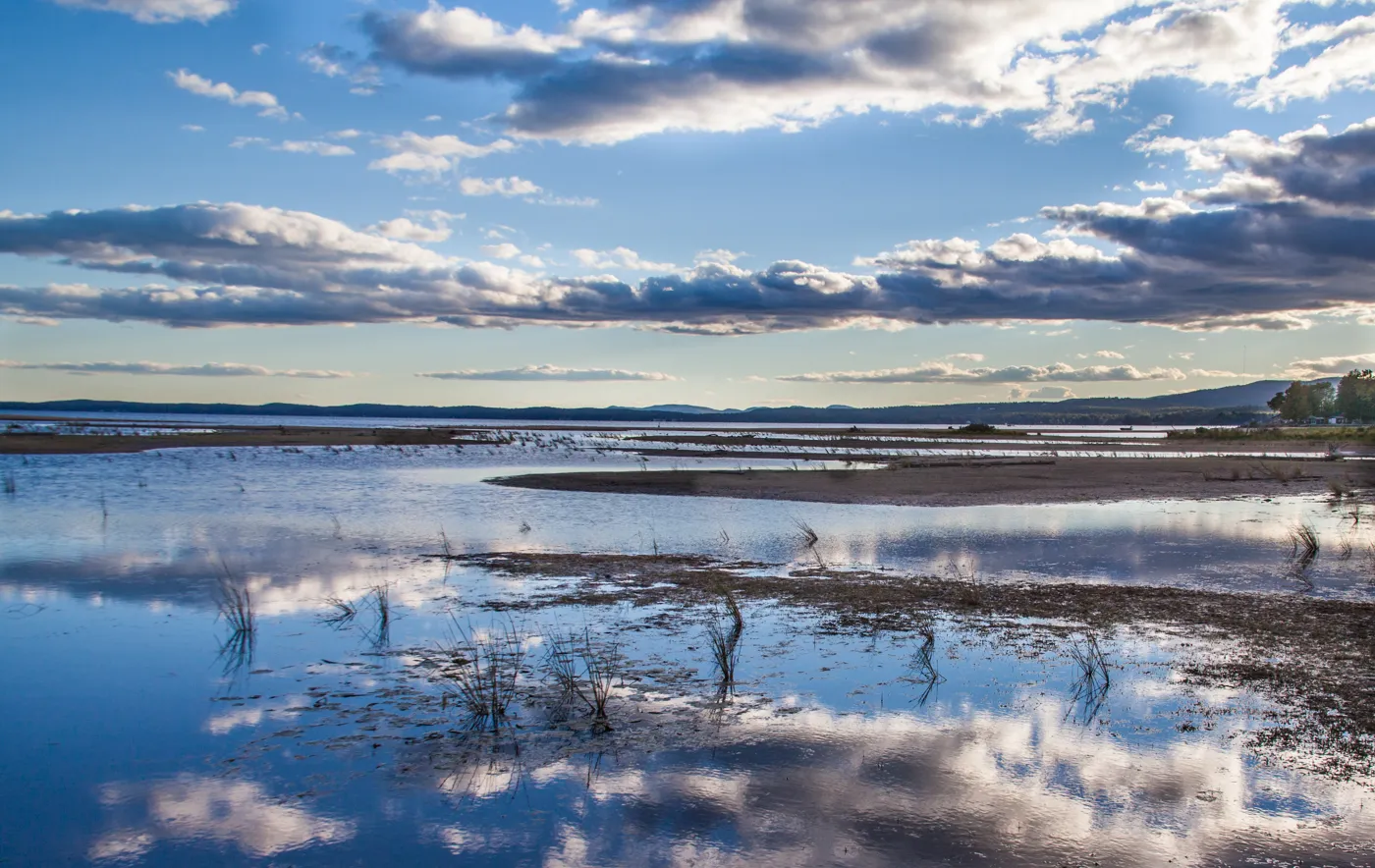
Sebago Lake State Park occupies a long stretch of sandy shoreline on the northern end of Sebago Lake, Maine’s second largest and deepest lake, about 17 miles northwest of Portland. The park draws more overnight visitors than any other state park in Maine, built around a full-service campground that puts families within walking distance of calm, swimmable water. The combination of a genuine sandy beach, easy boat access, and well-maintained campsites makes this one of the most practical family destinations in the state park system.
Camping on the Northern Shore
The campground is the heart of the park and the reason most people come. It holds 250 sites spread across two loops, with options ranging from wooded sites with more privacy to open sites closer to the water. Modern restrooms and hot showers serve both loops. Sites fill quickly from late June through Labor Day, and weekend reservations in July and August routinely sell out months in advance. The campground sits close enough to the beach that families can walk back and forth throughout the day without moving their vehicle.
The Beach and Swimming Area
The main beach runs several hundred feet along the lake and offers the kind of calm, sandy-bottomed swimming that is rare in Maine’s rocky coastal parks. Lifeguards are on duty during peak summer hours. The water is clear and cold, fed by the deep lake below, so even in July the temperature stays refreshing rather than warm. Beyond the roped swimming area, the open lake stretches south for miles. The beach area includes picnic tables and grills, making it a workable destination for day visitors who are not camping.
Boating and Paddling on Sebago Lake
Two boat launches serve the park, giving campers and day visitors direct access to one of Maine’s most significant lakes. Sebago Lake is large enough for sailing and motorized boating, and its clear water draws anglers targeting landlocked salmon and lake trout. Canoes and kayaks can be launched from the same ramps and are well suited to exploring the quieter coves along the northern shore. Rentals are not available at the park, so paddlers need to bring their own equipment. Water temperatures remain cold well into summer because of the lake’s depth, which reaches over 300 feet at its deepest point.
Trails and Wooded Interior
The park has several miles of walking and nature trails through the mixed forest behind the campground. These are not technically demanding trails, but they offer a good way to get away from the beach crowds and see a different side of the park. The woods here are typical Maine interior forest, a mix of white pine, hemlock, and hardwoods that provide habitat for a variety of birds and woodland mammals. Trail users should be prepared for wet and rooted terrain, especially earlier in the season.
Pet Policy
Leashed pets are welcome throughout the park, including on trails and in the campground. The maximum leash length is eight feet. Pets are not permitted on the swimming beach or in designated swim areas. Owners are responsible for cleaning up after their animals at all times.
Wildlife to Be Aware Of
Black bears live in the forests surrounding the park and occasionally move through campground areas, particularly when attracted by food smells. Campers should store all food, coolers, and scented items in a vehicle or hard-sided container when not in use, and should never leave food unattended at a picnic table or campsite. Bears that associate campgrounds with food can become dangerous and may have to be killed, so proper food storage protects both campers and wildlife.
Moose are occasionally seen along wooded trail edges and near wetland areas, especially in the early morning and evening. They are large animals and can be unpredictable. Cows with calves are particularly dangerous and can charge with little warning. Give any moose you encounter a wide berth and do not approach them for photographs.
Ticks are present throughout the wooded areas of the park from spring through late fall. The deer tick, which can carry Lyme disease, is common in this part of Maine. After any walk through the woods or tall vegetation, check your entire body carefully, including the scalp, behind the ears, and behind the knees. Wearing long pants with the cuffs tucked in reduces exposure.
The lake itself presents a hazard that is easy to underestimate. Sebago Lake stays cold year-round because of its depth, and cold water incapacitates swimmers much faster than warm water. Anyone boating, paddling, or engaging in water sports should wear a properly fitted life jacket at all times. Children especially should be supervised closely near and on the water.
Practical Information
Sebago Lake State Park is located in Casco and Naples, Maine, along Route 302. The main park entrance is off State Park Road in Casco, approximately 17 miles northwest of Portland. The nearest services are in the town of Naples to the south.
Entry fees are $6 for Maine resident adults, $8 for nonresident adults, $2 for nonresident seniors, and $1 for children ages 5 to 11. Children under 5 and Maine residents 65 and older enter free.
The park is open seasonally, generally from mid-May through September, with the campground operating on a similar schedule. Campsite reservations are strongly recommended and can be made through the Maine Bureau of Parks and Lands reservation system. Day-use parking can fill by mid-morning on summer weekends, so arriving early is advisable.
Frequently Asked Questions
What is the entry fee for Sebago Lake State Park?
Maine resident adults pay $6, nonresident adults pay $8, nonresident seniors pay $2, and children ages 5 to 11 pay $1; children under 5 and Maine residents 65 and older enter free.
Are dogs allowed at Sebago Lake State Park?
Leashed pets are welcome in the campground and on trails throughout the park, but they are not permitted on the swimming beach or in designated swim areas, and owners must clean up after them at all times.
Can I bring my own boat or kayak to launch on Sebago Lake?
The park has two boat launches open to campers and day visitors, though rentals are not available on site, so paddlers and boaters need to bring their own equipment.
How far in advance do I need to reserve a campsite?
Weekend sites in July and August routinely sell out months in advance, so booking as early as possible is strongly recommended for peak summer stays.