
Baxter State Park
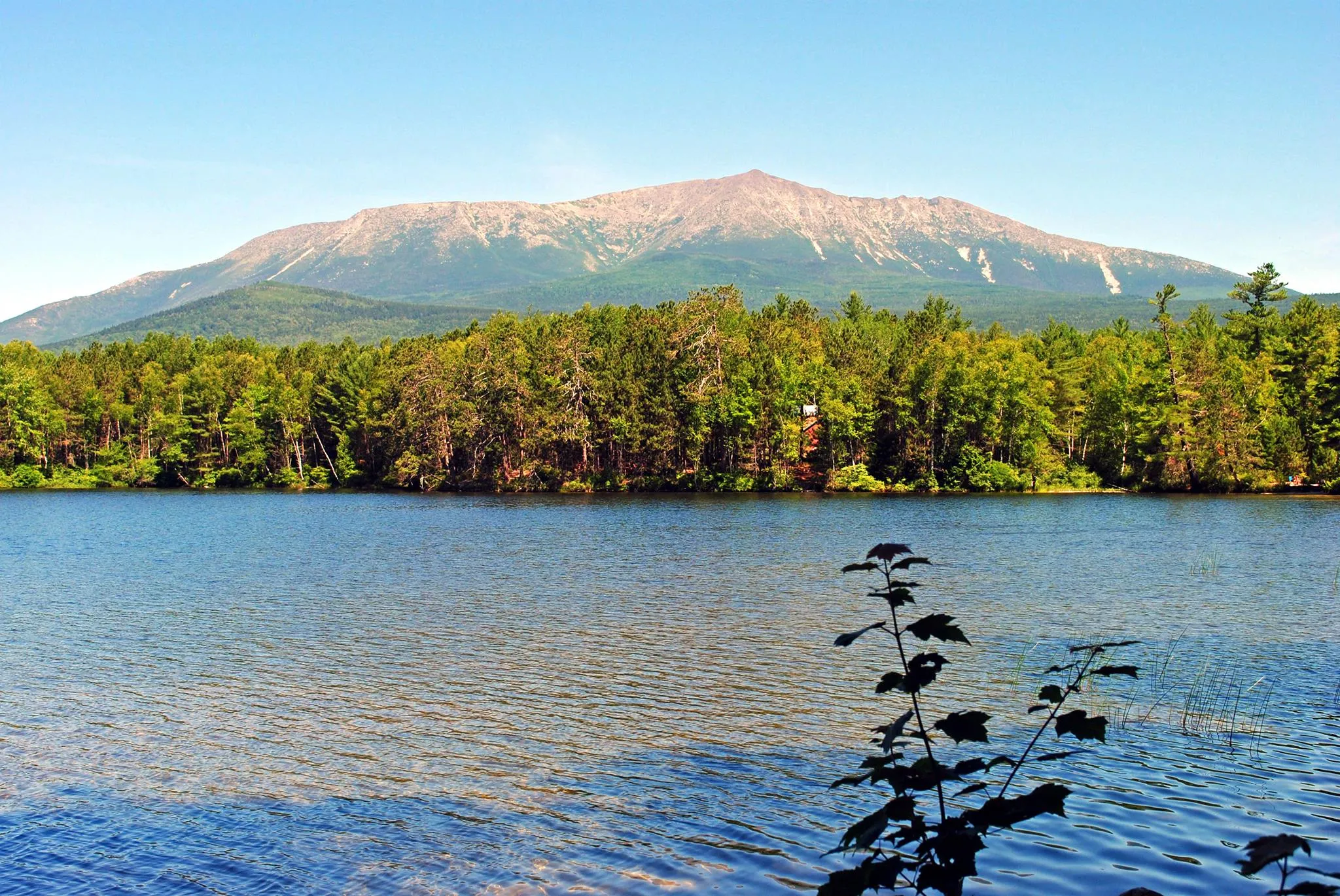
Baxter State Park is a 209,000-acre wilderness reserve in northern Maine, established and donated to the state by former Governor Percival Baxter with the explicit condition that it remain “forever wild.” Unlike most public lands managed for recreation, Baxter operates under a conservation mandate that puts the land itself first. Visitor numbers are capped, facilities are deliberately minimal, and the park’s remote character is treated as something worth protecting rather than softening. The result is one of the most genuinely wild landscapes accessible to the public in the northeastern United States.
Mount Katahdin and the Appalachian Trail
Katahdin is the reason most people come to Baxter, and it earns the attention. At 5,269 feet, it is the highest peak in Maine and marks the northern terminus of the Appalachian Trail, making it the symbolic end point for the roughly three million steps a thru-hiker takes from Springer Mountain in Georgia. The mountain is not a single route but a complex of trails, ridges, and summits. The Hunt Trail follows the AT up the southern flank to Baxter Peak. The Abol Trail offers a more direct but steeper ascent. The Saddle Trail and Cathedral Trail approach from the north through the Great Basin cirque.
Access to Katahdin trailheads requires a separate Katahdin Trailhead Pass on top of standard park entry, and day-use parking fills extremely early during summer and fall. Arriving before 6 a.m. is strongly advised, and many visitors reserve their trailhead access in advance through the park’s online system.
The Knife Edge
No feature of Katahdin demands more respect than the Knife Edge, a narrow arrete connecting Baxter Peak to Pamola Peak along the mountain’s eastern rim. At its tightest, the ridge is only a few feet wide with sheer drops on both sides falling hundreds of feet. Experienced hikers in good conditions find it an extraordinary traverse. In wind, rain, or when wet, it becomes genuinely dangerous. The Knife Edge is not a place to test your comfort with exposure for the first time, and it should never be attempted when storms are approaching or visibility is reduced.
The full Katahdin loop that includes the Knife Edge covers roughly nine miles with around 4,000 feet of elevation gain and typically takes eight to ten hours. This is a full-day commitment with no shortcuts once you are on the ridge.
The Park Beyond Katahdin
Baxter contains more than 200 miles of trails that have nothing to do with Katahdin, and they see a fraction of the foot traffic. The Traveler Mountain area in the park’s northeast corner offers rugged ridge hiking with exceptional views and far more solitude. South Turner Mountain, accessible from Roaring Brook Campground, is a shorter but rewarding climb with a direct view across to Katahdin. The Foss and Knowlton Pond area draws paddlers and anglers to quiet backcountry water.
The park road itself passes through boreal forest, wetlands, and open ponds that reward slow travel and patient observation. Sandy Stream Pond, a short walk from Roaring Brook, is one of the most reliable moose-viewing spots in Maine.
Camping
Baxter has ten campgrounds ranging from the relatively accessible Togue Pond Gatehouse area to remote backcountry lean-tos and tenting sites reached by several miles of trail. Reservations open months in advance and fill quickly, particularly for sites near Katahdin. The park strongly prefers reservations over walk-ins for all campgrounds. Some backcountry sites require a ranger to confirm availability. Campfires are permitted in designated fire rings, and food storage rules are strictly enforced throughout the park because of active bear activity.
Pet Policy
Pets are not permitted anywhere in Baxter State Park. This applies to all trails, campgrounds, day-use areas, and the park road. The restriction is part of the park’s foundational management philosophy and is enforced. Visitors traveling with animals will need to make other arrangements before arriving.
Wildlife to Be Aware Of
Black bears live throughout the park in healthy numbers. Every campsite requires the use of provided food storage infrastructure or approved bear canisters, and this is not optional. Bears that associate campsites with food become habituated and eventually have to be removed. Keep food, trash, and scented items secured at all times, including inside tents.
Moose are common and often encountered at close range, particularly around ponds, wetland edges, and the park road at dawn and dusk. They appear calm and are not. Cows with calves are unpredictable and will charge with little warning. Give every moose significant space and do not position yourself between a cow and her calf. If a moose moves toward you, put a large tree or solid object between you and retreat.
The Knife Edge deserves its own mention under safety. The combination of narrow exposed ridge and Katahdin’s tendency to generate rapid weather changes creates a specific hazard that surprises people who underestimate mountain conditions in Maine. Summit weather can deteriorate from clear to dangerous, with high wind and low visibility, in under an hour. Check the forecast before leaving camp, reassess at the treeline, and be willing to turn around. Lightning on an exposed alpine ridge is not survivable by finding shelter. If storms are building, descend before they arrive.
Practical Information
Baxter State Park is located in Piscataquis County in north-central Maine, approximately 18 miles north of Millinocket, which is the nearest town with lodging, fuel, and supplies. The primary access route is Millinocket Lake Road to the Togue Pond Gatehouse entrance. A northern entrance at Matagamon Gate is accessible from Patten via Route 159.
Entry fees are as follows: Maine residents enter free; nonresidents pay $20 per vehicle per day or $50 for a season pass. A Katahdin Trailhead Pass costs an additional $10 and is required for access to Katahdin trailheads. The park is open year-round but most facilities and trails are accessible from mid-May through mid-October. Winter access is limited and requires advance coordination with park staff. Reservations for camping and trailhead access are available through the Baxter State Park reservation system and are strongly recommended for any summer or fall visit.
Frequently Asked Questions
What are the entry fees for Baxter State Park?
Maine residents enter free, while nonresidents pay $20 per vehicle or $50 for a season pass, and anyone accessing Katahdin trailheads must also purchase a separate $10 Katahdin Trailhead Pass.
Are dogs allowed in Baxter State Park?
Baxter State Park operates under a strict conservation mandate that puts the land first, and pets including dogs are not permitted anywhere within the park.
How difficult is the Knife Edge on Katahdin, and is it safe?
The Knife Edge is a narrow alpine ridge only a few feet wide in places with sheer drop-offs of hundreds of feet on both sides, and it should only be attempted by experienced hikers in clear, calm weather, never when storms are approaching or visibility is reduced.
How early do I need to arrive to hike Katahdin?
Day-use parking at Katahdin trailheads fills extremely early during summer and fall, and the park strongly advises arriving before 6 a.m. or reserving trailhead access in advance through the park's online reservation system.