
Popham Beach State Park
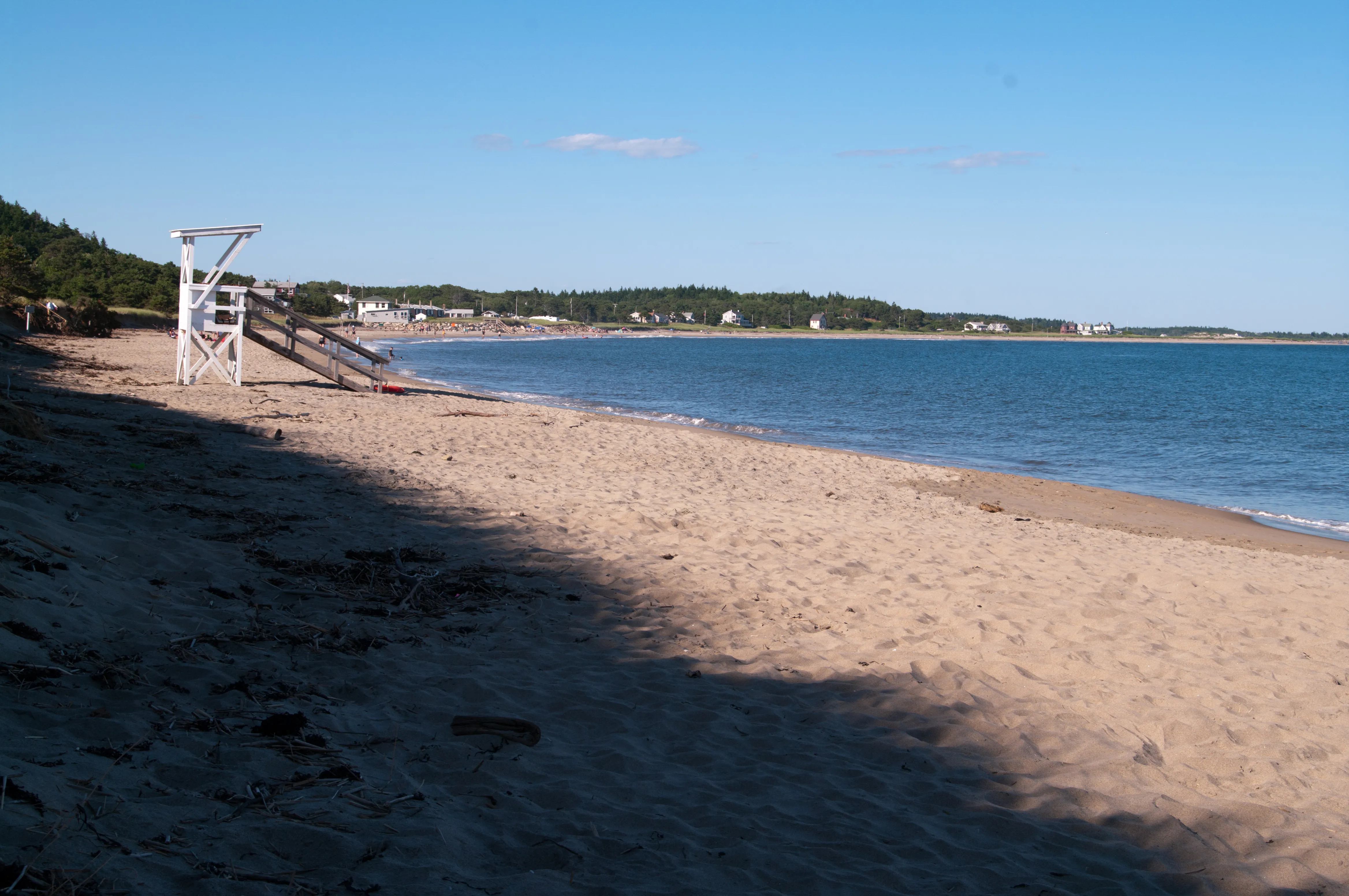
Popham Beach State Park sits at the mouth of the Kennebec River in Phippsburg, with three miles of sandy beach and some of the most dramatic tidal shifts on Maine’s coast. The park is known for its sandbar to nearby Fox Island that’s only accessible at low tide.
The Beach and Tides
Popham Beach is one of Maine’s most dramatic sandy beaches, with a broad shoreline that can feel enormous at low tide and much narrower when the tide comes in. The park sits at the mouth of the Kennebec River, where the river, the Morse River, and the Atlantic all help reshape the beach over time. Sand movement and erosion are part of the landscape here, so the exact shape of the beach, dunes, and walking routes can change from season to season. Maine’s park page notes that Popham is the state’s busiest state park beach and that shoreline change and dune erosion have had a major effect on the area.
The sand is soft and walkable, making it excellent for beachcombing, sunbathing, and long low-tide walks. Swimming is popular in summer, but the water is still Maine-cold, and conditions can vary with tide, wind, river current, and surf. The most famous feature is the sandbar toward Fox Island, which is only safely accessible around low tide. Check tide charts before walking out, leave long before the tide turns, and never assume you can cross back once water begins covering the bar.
Walking and Exploration
Popham is ideal for unhurried beach walking rather than formal hiking. At low tide, the exposed sand opens up long walking routes toward Fox Island, Wood Island views, the Morse River side of the beach, and the wide tidal flats near the river mouth. This is also the best time for photography, tide-pool looking, and watching the beach shift from narrow shoreline to broad sand plain.
Stay on signed beach-access routes and avoid vegetated dune areas. The park specifically asks visitors to help dune recovery by staying on trails to the beach and keeping off all vegetated areas. Shorebirds also use this coastline, so give birds plenty of space, especially during nesting season. For a longer outing nearby, many visitors pair Popham Beach with Fort Popham or Fort Baldwin, but those are separate historic sites rather than part of the beach park.
Pet Policy
Popham Beach has strict seasonal pet rules. For the 2026 season, Maine’s park conditions page says that starting April 1, all pets, including dogs and horses, are not allowed on the beach in order to protect federally endangered nesting shorebirds; pets and horses are welcomed back on October 1, 2026.
That means visitors should not bring dogs for a spring or summer beach day at Popham, even on leash. During the allowed off-season, pets must still be controlled, waste must be picked up, and visitors should follow posted rules for beach access, dunes, and wildlife protection. Horses are also seasonal and may require additional permit rules, so riders should confirm current requirements before arriving.
Practical Information
Popham Beach State Park is in Phippsburg, at the end of Route 209, about 14 miles south of Bath. It is a day-use park, not a camping park, and is open year-round, generally from 9:00 a.m. to sunset unless otherwise posted. Day-use fees are charged per person; Maine’s current fee table lists Popham Beach at $6 for Maine resident adults, $8 for nonresident adults, and $2 for nonresident seniors, with Maine residents age 65 and older admitted free.
Parking is limited for the popularity of the beach, and Popham is especially busy on warm summer weekends and holidays. Arrive early, especially if you want a beach day near low tide. Facilities include bathhouses, fresh-water solar rinse-off showers, and charcoal grills, but the park’s current condition notice says the East Picnic Area was lost to the sea during winter storms and that picnic/grill availability may be limited while the park works to reestablish picnic space elsewhere.
The best visits are planned around the tide chart. Low tide gives you the most sand, the best walking, and possible sandbar access, while high tide can shrink the usable beach dramatically. Bring water, sun protection, layers, snacks or lunch, and footwear you do not mind getting wet. For safety, treat Fox Island as a low-tide-only side trip, watch the water constantly, and turn back early.
Wildlife to Be Aware Of
Tidal currents near the Fox Island sandbar are the most serious hazard at Popham Beach. The Morse River and Kennebec River meet the Atlantic here, and the tidal shift at this beach is dramatic. The sandbar to Fox Island is accessible only around low tide and floods faster than most visitors expect. Check a tide chart before crossing, leave the sandbar well before low tide ends, and never linger if the water begins rising around you. People have been stranded here. The Atlantic water at Popham is cold throughout the swimming season and can cause cold-water shock even in July and August. Swim close to shore, avoid strong offshore pulls, and do not allow children to wade without close adult supervision. Lion’s mane jellyfish are common along the Maine coast in summer. They are large, reddish-orange jellyfish whose tentacles can sting well after the animal has washed ashore or died. Check the water before entering and avoid swimming near large concentrations. Piping plovers nest on the beach from April through August and are a federally protected endangered species. Their nests are marked with posted signs and symbolic fencing. Stay clear of all posted nesting areas and keep pets out of the park during the nesting season, when pets are prohibited on the beach entirely.
Frequently Asked Questions
Are dogs allowed at Popham Beach State Park?
Dogs and other pets are not permitted on the beach from April 1 through September 30 to protect federally endangered nesting shorebirds, but pets are welcome back starting October 1.
What is the entry fee for Popham Beach State Park?
Admission is $6 for Maine resident adults, $8 for nonresident adults, $2 for nonresident seniors, $1 for children ages 5 to 11, and free for children under 5 and Maine residents age 65 and older.
Is it safe to walk out to Fox Island on the sandbar?
The sandbar to Fox Island is only safely walkable around low tide, and visitors should leave long before the tide turns because the bar floods quickly and the strong tidal currents near the island can be dangerous.
How cold is the water at Popham Beach?
The Atlantic water at Popham Beach stays very cold even at the height of summer, and swimmers should be aware of a real hypothermia risk alongside variable conditions from tide, wind, and river currents.
Where can I find tide charts for Popham Beach?
The Maine Bureau of Parks and Lands publishes current beach conditions and tide information on their Popham Beach conditions page, and NOAA's tide predictor covers the nearest Kennebec River mouth station. Checking the tide before visiting is especially important if you plan to walk out to the Fox Island sandbar, which is only safely accessible around low tide.