
Crescent Beach State Park
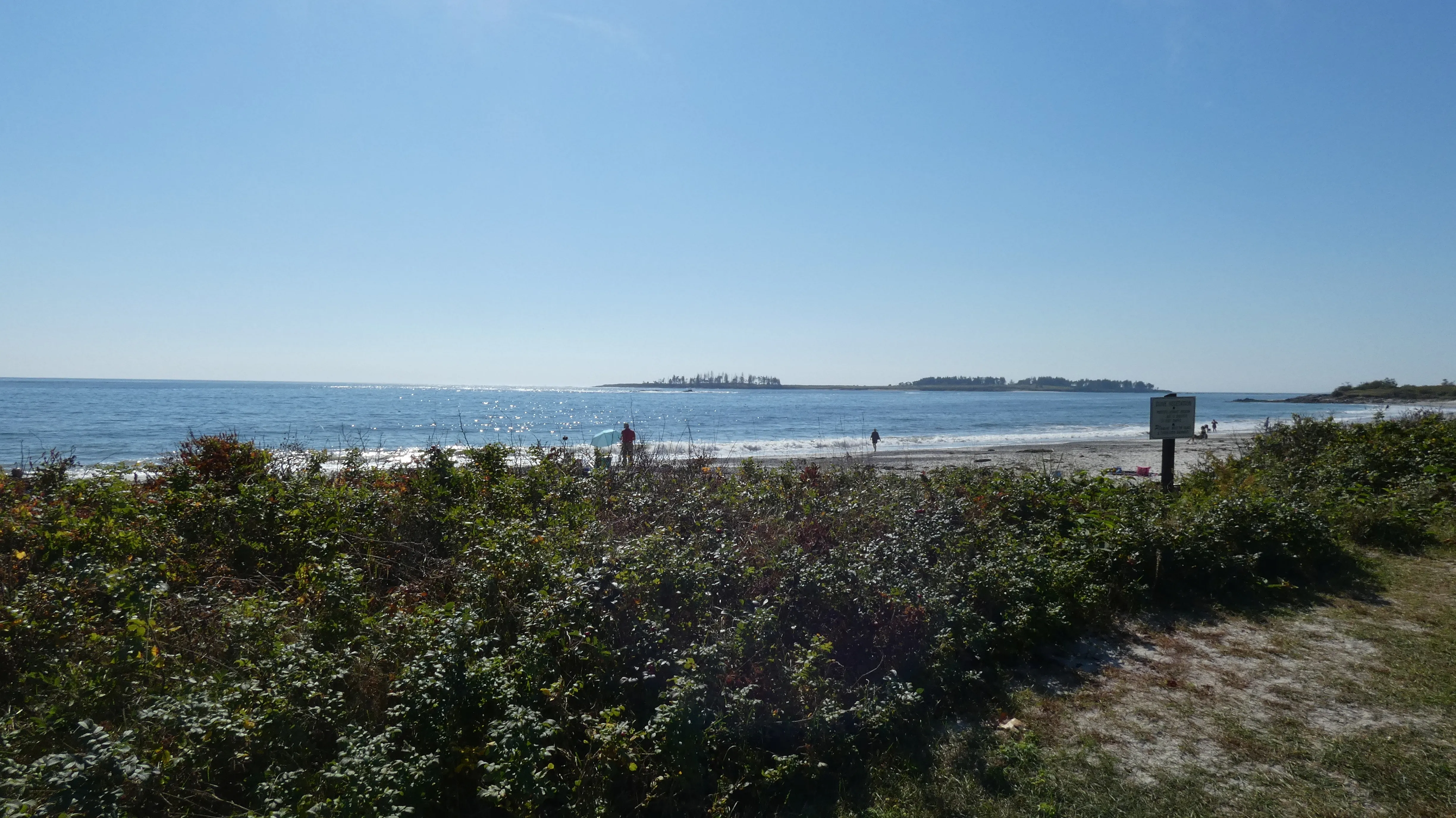
Crescent Beach State Park sits along the Atlantic coast in Cape Elizabeth, just south of Portland. The park’s mile-long sandy beach is one of southern Maine’s most accessible swimming and picnicking destinations, popular with families and day-trippers from the Portland area.
The Beach
Crescent Beach is the centerpiece of the park: a mile-long, crescent-shaped stretch of sand facing the Atlantic in Cape Elizabeth. The mile-long crescent shape gives it more usable sand than most Maine beaches, with room for swimming, sunbathing, and long shoreline walks. The shape of the beach helps make it feel more protected than some open-ocean Maine beaches, though visitors should still expect cold Atlantic water, changing tides, and surf that varies with wind and weather.
In summer, Crescent Beach is especially popular with families because the sand is broad and walkable, the water access is straightforward, and the park has a bathhouse nearby. Lifeguard availability can be seasonal and staffing-dependent, so swimmers should follow posted signs and check conditions at the gate rather than assuming coverage every day. For the best light and fewer crowds, arrive early in the morning or later in the afternoon; midday on hot weekends is the busiest time.
Trails and Walking Paths
Crescent Beach is best known for its shoreline, but it also has easy walking options around the beach, dunes, and adjacent coastal landscape. Visitors can stroll the full length of the beach, follow paths between the parking and picnic areas, and use designated access routes to protect fragile dune vegetation. Stay on marked paths and boardwalk-style access points where posted, since dunes and nesting habitat are sensitive.
Kettle Cove State Park is adjacent to Crescent Beach and adds a short coastal walking option around the cove, with views of the rocky shoreline and open water. Together, Crescent Beach and Kettle Cove work well for a low-key walking day rather than a strenuous hiking trip.
Picnic and Day-Use Areas
Crescent Beach is set up for a classic day at the coast. The park has picnic tables and grills, a children’s playground, and a bathhouse with cold-water showers. These facilities make it easy to pair beach time with lunch, especially for families or groups planning to spend several hours in the park.
Food availability can vary by season and vendor operations, so it is smart to bring your own snacks, water, and lunch rather than relying on concessions being open. Charcoal fires should be limited to provided grills, and visitors should pack out trash or use designated disposal areas. For group outings, check Maine State Parks’ current facility-rental information before planning a reserved picnic or event, since reservation rules and fees can change by season.
Pet Policy
Crescent Beach follows Maine State Parks’ beach pet rules. Pets are not allowed on state park beaches from April 1 through September 30. From October 1 through March 31, pets are welcome on state park beaches as long as they are leashed and under control.
This seasonal restriction is important because it covers nearly the entire warm-weather beach season. Visitors should not bring dogs for a summer beach day at Crescent Beach, even if the dog stays leashed. During the off-season, bring waste bags, keep pets away from dunes and wildlife, and watch the tide, since the usable beach can narrow when the water is high.
Practical Information
Crescent Beach State Park is in Cape Elizabeth, about eight miles south of Portland, off Route 77/Bowery Beach Road. Maine’s official beach-conditions page lists the park at 109 Bowery Beach Road and notes that it is open year-round from 9:00 a.m. to sunset unless otherwise posted at the gate. Day-use fees are charged per person: $6 for Maine resident adults, $8 for nonresident adults, $2 for nonresident seniors, and $1 for children ages 5 to 11. Children under 5 and Maine residents age 65 and older are admitted free. Fees are collected year-round at the entry booth or self-service station; bring cash as not all stations accept cards.
Parking is easiest early in the day, especially on warm summer weekends and holidays when beach traffic from the Portland area is heavy. Summer is best for swimming, sunbathing, and full beach facilities, while late spring and fall are better for quieter walks and cooler picnics. Winter can be peaceful for off-season beach walking, but facilities may be limited.
Bring cash for the fee station, sunscreen, drinking water, beach layers, towels, and water shoes if you plan to explore rocky areas near the ends of the beach. For accessibility, the main day-use layout is relatively straightforward compared with more rugged Maine coast parks, with parking, restrooms, picnic facilities, and beach access clustered near the developed area; visitors with specific mobility needs should check current conditions before arrival.
Wildlife to Be Aware Of
The Atlantic water at Crescent Beach stays cold throughout the swimming season, typically ranging from the low 50s to low 60s Fahrenheit at peak summer. Cold-water shock can affect even strong swimmers quickly, causing involuntary gasping, muscle cramping, and loss of coordination. Supervise children closely in the water, avoid swimming in surf or strong rip conditions, and get out of the water if you feel disoriented or unusually fatigued. Lion’s mane jellyfish are the most common stinging jellyfish along the southern Maine coast and are regularly seen in summer months. They can be large, with trailing tentacles that extend well beyond the bell. Check the water before entering and avoid swimming through visible concentrations. Their tentacles can also wash up on the beach and sting on contact even after the jellyfish has died, so do not handle them. Ticks are present in the dune grass and coastal scrub at the edges of the beach. They are less of a concern on open hard-packed sand but can be active in any grassy or vegetated area. Check yourself and children after any time spent in the dune edges or walking through the scrub between the beach and parking areas. Piping plovers nest at Crescent Beach and other Maine beaches and are a federally protected endangered species. If nesting areas are posted with signs or symbolic fencing, stay well clear and keep any dogs away from those zones during the off-season months when pets are permitted.
Frequently Asked Questions
Are dogs allowed at Crescent Beach State Park?
Dogs are not permitted on the beach from April 1 through September 30, which covers nearly the entire warm-weather season. From October 1 through March 31, leashed pets are welcome on the beach.
What is the entry fee for Crescent Beach State Park?
Admission is $6 for Maine resident adults and $8 for nonresident adults, with nonresident seniors paying $2 and children ages 5 to 11 paying $1. Children under 5 and Maine residents 65 and older enter free.
Are there showers and restrooms at Crescent Beach State Park?
The park has a bathhouse with cold-water showers available for beachgoers. Picnic tables, grills, and a children's playground are also on-site, making the park well suited for a full day at the coast.
Are there jellyfish or other hazards to watch for at Crescent Beach?
Lion's mane jellyfish are common along the Maine coast in summer, so visitors should look before entering the water. The Atlantic water stays cold even at peak summer, posing a hypothermia risk, and ticks can be present in the dune grasses and coastal scrub just off the hard sand.
How do tides affect the beach at Crescent Beach State Park?
Low tide opens up the full crescent shoreline for walking and swimming, while high tide can narrow the usable sand considerably. Checking a NOAA tide chart for Cape Elizabeth before visiting and timing your arrival around low tide gives the most space and the best conditions for beachcombing and swimming.