
Reid State Park
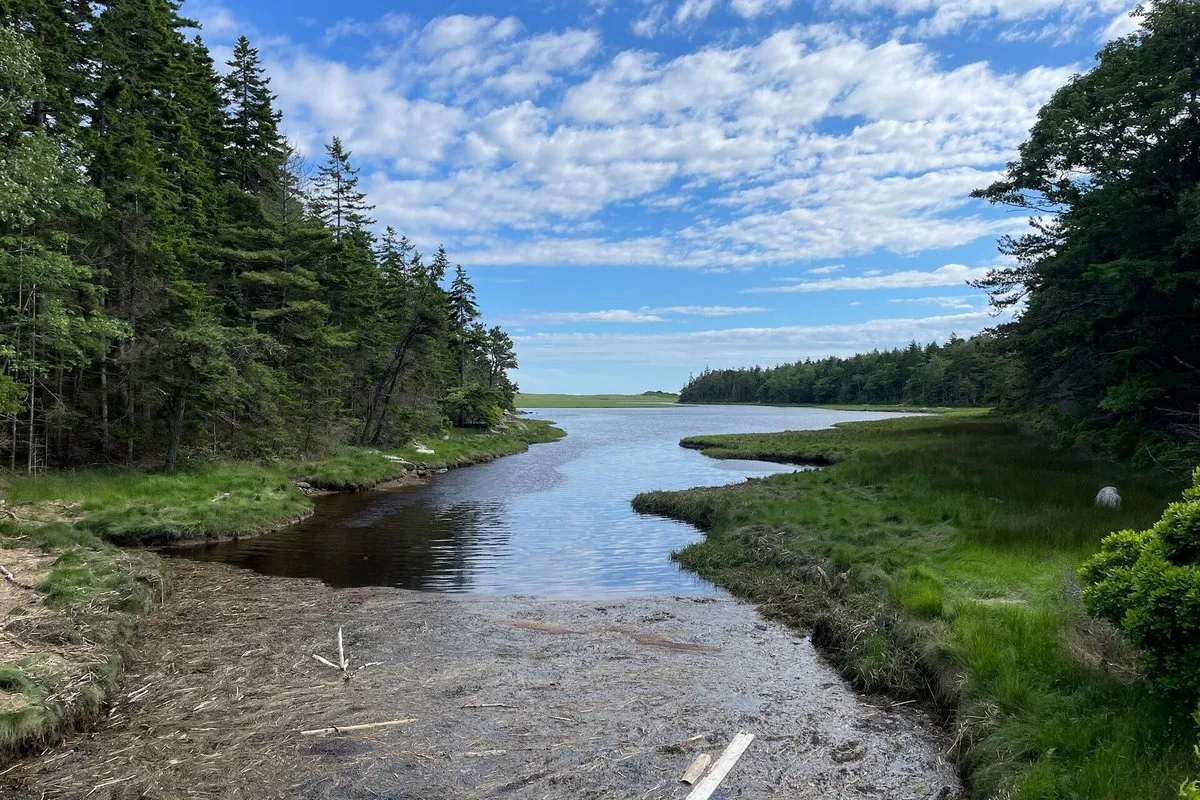
Maine’s first state-owned saltwater beach, Reid State Park sits on Georgetown Island in Sagadahoc County, about an hour northeast of Portland. The park covers roughly 770 acres along a stretch of coast where dunes, tidal flats, salt marshes, and rocky headlands meet in close proximity. That variety of habitat within a compact area is what sets Reid apart from most other coastal parks in the state.
The Beaches and Dunes
The beaches are the main draw here. Mile Beach and Half Mile Beach together offer a rare stretch of open sand on the Maine coast, which tends toward rock and ledge more than sand. The dunes behind the beaches are among the few remaining examples of coastal dune habitat in Maine, and the park treats them accordingly. Visitors are asked to stay on designated paths when moving through dune areas, both to prevent erosion and to protect the vegetation that holds the dunes in place. The water is cold by most standards even in midsummer, but swimming is popular. A bathhouse with changing facilities and restrooms serves both beaches during the summer season.
Tidal Pools and Salt Marsh Exploration
At the northern end of the park, rocky ledges drop into the ocean and form productive tide pools at low tide. These are accessible on foot and worth timing a visit around. Periwinkles, hermit crabs, sea urchins, barnacles, and various small fish are commonly found. The salt marshes on the interior edge of the park support a different kind of exploration, best done by observation from the trail rather than by walking into the marsh itself. The interplay between freshwater drainage and tidal saltwater makes the marshes a rich habitat for shorebirds and wading birds, particularly during spring and fall migration.
Coastal Trails
The trail network at Reid is modest but well-placed. Paths run along the headlands above the ocean, offering views back across the beaches and out toward open water. The Ski Loop Trail and the Little River Trail connect the beach areas with the rockier coastal edge, passing through a mix of spruce forest and open shoreline, with Griffith Head offering some of the most dramatic rocky shoreline in the park. Total trail mileage is limited, and most visitors complete the main routes in under two hours, but the quality of what those trails pass through is high. The combination of forest, marsh edge, and rocky coast within a short walk gives the trails more variety than the distance alone would suggest.
Pet Policy
Pets are not permitted on the beach areas at Reid State Park from April 1 through September 30, but leashed pets are allowed on the beaches from October 1 through March 31. Dogs are allowed in the parking areas and on some trails within the park, but must be kept on a leash at all times. Given the presence of nesting shorebirds in the dune areas, pet owners should pay close attention to posted signs and stay out of any restricted zones. Checking current park rules before visiting is advisable, as restrictions can be updated seasonally.
Wildlife to Be Aware Of
Harbor seals are frequently seen along the rocky shoreline, particularly on exposed ledges at low tide. They haul out to rest and regulate their body temperature, and while they may appear approachable, getting close causes real harm. Seals that are repeatedly disturbed will abandon haul-out sites, and a seal that appears lethargic or stranded may be sick. Keep a respectful distance and do not allow dogs or children to approach them.
During nesting season, portions of the dune habitat are posted and closed to foot traffic to protect ground-nesting shorebirds. These closures are not arbitrary. Shorebirds nest directly on the sand and are highly vulnerable to disturbance. A single approach by a person or dog can cause adults to flush and leave eggs or chicks exposed to sun and predators. Respect posted signs and stay on marked paths through dune areas from late spring through midsummer.
Greenhead flies are a genuine problem at Reid in July and August. These large biting flies are active in and around the salt marsh and can make some areas of the park uncomfortable during peak season. They are most aggressive on warm, calm days and tend to be worse in the late morning through afternoon. Long sleeves, pants, and insect repellent help, but no repellent fully deters them. Visitors sensitive to insect bites may want to time visits for early morning, breezy days, or later in August when populations begin to decline.
Practical Information
Reid State Park is located at the end of Seguinland Road on Georgetown Island. From Bath, take Route 127 south to Georgetown and follow signs to the park. The drive from Bath takes roughly 30 minutes. The nearest town with services including gas, food, and lodging is Bath.
Day-use fees are charged per person, per day and may be collected at the entry booth or self-service payment stations. Non-resident adults pay $8 per person. Maine resident adults pay $6. Children ages 5 to 11 are $1. Children under 5 enter free. The park does not offer camping. Day-use facilities include parking, bathhouses and restrooms, picnic areas, and a group picnic shelter, and the old concession stand at Griffith Head is being refurbished into a nature center.
The park is open year-round, though facilities are seasonal, and day-use fees may be collected at the entry booth or self-service payment stations. Off-season visitors should check current conditions before arriving, as vehicle access, gates, and parking may vary, and bathhouses and other buildings are generally shut down for the winter season as dictated by weather. Winter visits can be rewarding for birdwatching and solitude, but the trails and headlands can be icy. For current hours, conditions, and any updates to fees or restrictions, contact the Maine Bureau of Parks and Lands directly or check their official website before visiting.
Frequently Asked Questions
What is the entry fee at Reid State Park?
Non-resident adults pay $8, Maine resident adults pay $4, children ages 5 to 11 pay $2, and children under 5 enter free, with fees collected seasonally.
Are dogs allowed at Reid State Park?
Dogs are allowed in the parking areas and on some trails but must be kept on a leash at all times, and pets are not permitted on the beach areas.
Where can I find tide charts for Reid State Park?
NOAA's tide prediction tool at tidesandcurrents.noaa.gov provides tide times for the Georgetown Island area, and checking low tide before your visit is worthwhile since the rocky ledges at the park's northern end only reveal their tide pools at low water.
Are there biting flies at Reid State Park?
Greenhead flies are common at Reid in July and August, especially on warm calm days from late morning through afternoon, so wearing long sleeves and pants and visiting early in the morning or on breezy days can help reduce exposure.