
Sam Houston Jones State Park
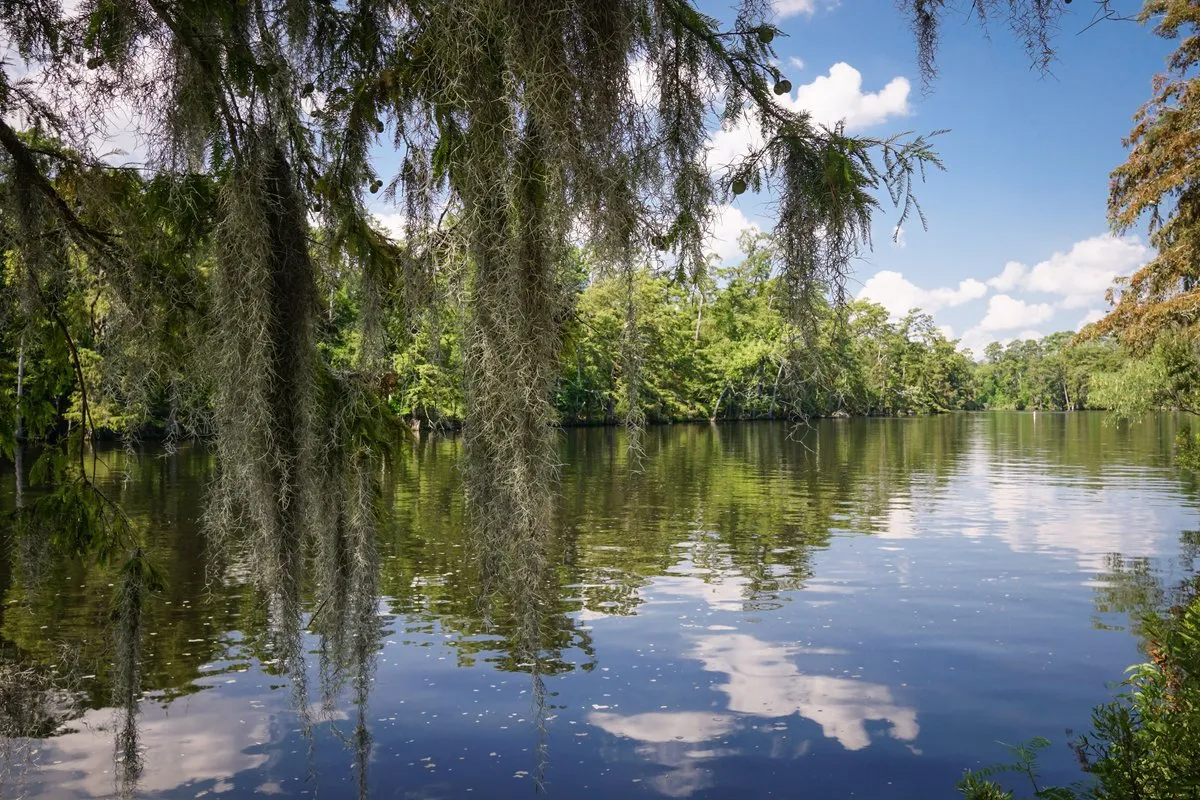
Sam Houston Jones State Park covers 1,087 acres of mixed pine-hardwood forest, waterways, lagoons, and more than 70 acres of longleaf pines in southwest Louisiana, about 12 miles north of Lake Charles. The park takes its name from a former Louisiana governor and occupies a landscape shaped by the Calcasieu River system, where slow-moving waterways wind through mature pine uplands and bottomland hardwood forest. It draws visitors who want a quieter experience than the coast offers, particularly birders, paddlers, and campers looking for shade and solitude rather than beach crowds.
Birding Along the Bayous and Forest Edge
Birding is the activity that sets this park apart from most others in Louisiana. The mix of longleaf pine upland, wetland edges, and dense bottomland hardwood creates layered habitat that attracts a wide variety of species. The park sits within a region known for neotropical migrant activity in spring and fall, and while the park’s pine stands once harbored red-cockaded woodpeckers, those birds are now absent from the area. Painted buntings, prothonotary warblers, and various wading birds round out what visitors commonly report seeing. The best birding is typically in the early morning hours along the waterway edges and the forested interior trails. Bring binoculars and expect to move slowly.
Paddling and Fishing the Waterways
The park’s network of bayous and lagoons is well suited to canoes and kayaks. Several waterways thread through the park and offer calm, slow-moving conditions that work for paddlers of most skill levels. The scenery along the water is the main draw, with cypress trees, Spanish moss, and frequent wildlife sightings. Fishing is also popular here, with largemouth bass, catfish, and bream among the species anglers target. A boat launch is available within the park. Those without their own watercraft should check with park staff about rental availability before visiting.
Trails Through Longleaf Pine and Hardwood Forest
The park has several miles of hiking trails that pass through its varied habitats. The longleaf pine sections are the most distinctive, as this forest type has been largely eliminated across the Southeast and what remains at Sam Houston Jones gives visitors a sense of what the region once looked like. Interpretive signage along some trail segments adds context to the trees and wildlife. The trails are generally flat and not technically demanding, which makes them accessible to most visitors. They also double as good corridors for birding on foot.
Camping, Cabins, and Lodging Options
Sam Houston Jones offers more overnight options than most state parks its size. The park currently lists 30 premium pull-through campsites with sewer, water, and 50-amp electrical hookups, along with cabins and a lodge for those who prefer solid walls. The campground is shaded by tall pines, which keeps temperatures more manageable in warm months and gives the sites a pleasant feel. The lodge and cabins make this a reasonable destination for small groups or families who want a nature-based trip without tent camping. Reservations are strongly recommended, especially for weekends and the spring migration season.
Pet Policy
Leashed pets are welcome in most outdoor areas of the park, including trails and the campground. The standard leash length allowed is six feet. Dogs are permitted only in designated pet-friendly cabins, with a $40 per dog surcharge and a two-dog maximum; pets are otherwise prohibited in non-dog-friendly cabins, the lodge and group facilities, other enclosed structures, and swimming areas except for service animals. Owners are responsible for cleaning up after their animals. Given the wildlife present in the park, keeping pets on leash and under close supervision is both a park rule and a practical safety measure.
Wildlife to Be Aware Of
American alligators live throughout the park’s waterways, lagoons, and bayou edges. They are wild animals and should never be approached, fed, or treated as a photo opportunity at close range. Keep children and pets away from the water’s edge, particularly in warmer months when alligators are more active. Venomous snakes, including cottonmouths and copperheads, are common in this part of Louisiana. Cottonmouths favor wetland edges and are frequently encountered near water, while copperheads tend toward wooded areas. Watch where you step, avoid reaching into brush or under logs, and give any snake you encounter a wide berth.
Mosquitoes and biting insects are heavy during warm months, especially near standing water. Bring effective repellent and consider long sleeves and pants if you plan to spend time near the bayous at dawn or dusk. Fire ants are widespread in grassy and trailside areas throughout the park. Avoid standing still in open areas for long periods, check your footing before stopping, and treat any stings promptly if you are sensitive to them.
Practical Information
Sam Houston Jones State Park is located at 107 Sutherland Road in Lake Charles, Louisiana, roughly 12 miles north of downtown. The nearest major city is Lake Charles, which has full services including lodging, restaurants, and fuel. From Lake Charles, take US-171 north and follow signs to the park entrance.
Day use admission is $3 per person, with free admission for seniors age 62 and older and children age 3 and under. Camping currently starts at $33 per night plus tax for premium campsites at Sam Houston Jones State Park, with rates varying up to $49.50 per night and a $4.50 non-refundable reservation transaction fee applying to each booking. Cabins and the lodge are available at higher rates depending on the unit and season. Reservations for camping and overnight accommodations can be made through the Louisiana State Parks reservation system online or by phone.
The park is open year-round. Spring is the most popular season due to mild temperatures and active bird migration. Summer is hot and humid, with heavy insect pressure. Fall brings another migration window and more comfortable hiking conditions. Winter visits are quieter and can be rewarding for birding, as some species are present only during the colder months.
Frequently Asked Questions
Are dogs allowed at Sam Houston Jones State Park?
Leashed pets are welcome on trails and in the campground, with a maximum leash length of six feet, but pets are not permitted inside the cabins, lodge, or other park buildings.
How much does it cost to visit Sam Houston Jones State Park?
Day use admission is $3 per person for visitors ages 4 and up, with children 3 and under admitted free, and camping with hookups starts at $20 per night.
Are there alligators at Sam Houston Jones State Park?
American alligators live throughout the park's bayous, lagoons, and waterway edges and should never be approached or fed, and visitors should keep children and pets away from the water's edge, especially during warmer months when alligators are more active.
Can you rent canoes or kayaks at Sam Houston Jones State Park?
The park has a boat launch and its bayous are well suited to canoes and kayaks, but visitors should check with park staff about rental availability before arriving, as availability can vary.