
Three Island Crossing State Park
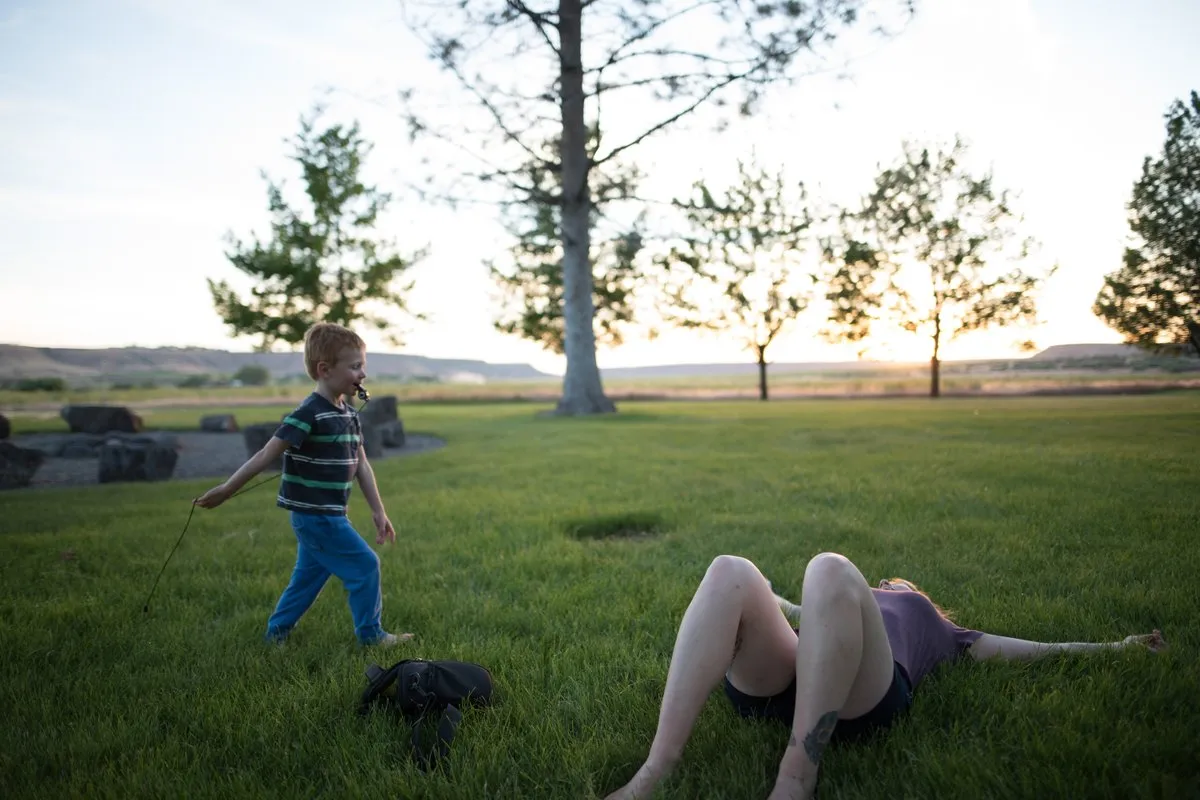
Three Island Crossing State Park sits along the Snake River near Glenns Ferry in southwestern Idaho, preserving one of the most significant and dramatic sites along the entire Oregon Trail. This is where westward-bound emigrants in the 1840s and 1850s faced one of the journey’s most consequential decisions: attempt the dangerous crossing of the Snake River using three mid-river islands as stepping stones, or take the longer and drier southern route. That history is still visible in the landscape here, and it gives the park a weight that goes well beyond its recreational amenities.
The Oregon Trail Crossing
The river crossing itself is the reason this park exists. Thousands of emigrants forded the Snake here, and the physical and emotional stakes of that decision are hard to overstate. The current ran fast, the water was cold, and wagons and livestock were regularly lost. Travelers who made it across gained access to better grass and water on the north side of the river. Those who chose the southern alternate faced days of dry, punishing terrain.
The park honors that history through its Oregon Trail History and Education Center, a well-developed interpretive facility with exhibits covering the emigrant experience, the river crossing mechanics, and the broader story of westward migration. It is one of the stronger regional interpretive centers in Idaho and worth significant time on its own. Wagon-crossing reenactments were held here every August from 1985 to 2009 but are no longer conducted. Check the official park events calendar for information on current programs and living history offerings.
Camping Along the Snake River
The park offers camping with serviced campsites for tents and RVs, plus eight cabins. Electrical hookups are available at many sites, and the campground includes restrooms and showers. Sites are spread across an open landscape with views toward the river and the surrounding high desert terrain. The setting is arid and exposed, which means full sun during the day and genuinely cool nights, especially in spring and fall. Shade is limited, so planning accordingly matters here.
The cabins provide a more comfortable option for visitors who want to avoid tent camping in the heat. Reservations are strongly recommended during summer months and for any living history event weekends in particular.
Trails and River Access
Hiking at Three Island Crossing is modest in scale but well-suited to the landscape. Trails move through sagebrush flats and along the riverbank, connecting the campground to the education center and to viewpoints that look out over the crossing site and the three islands. The terrain is flat to gently rolling, making routes accessible for most visitors. The trails work best in the morning before heat builds, particularly in July and August.
The Snake River shoreline provides opportunities for fishing, and the park has bank access in several spots. Swimming is not recommended given the river’s current. Birdwatching along the shoreline can be productive, with waterfowl, shorebirds, and raptors all present depending on the season.
Pet Policy
Pets are welcome at Three Island Crossing State Park and must be kept on a leash no longer than six feet at all times. This applies on trails, in the campground, and throughout the day-use areas. Owners are responsible for pet waste cleanup, and no dogs are allowed in any of the cabins. Whether pets are permitted inside the Oregon Trail History and Education Center is not confirmed by the official park page, so check directly with the park before your visit. Given the presence of rattlesnakes and scorpions in the surrounding desert terrain, keeping pets close and out of rocky or brushy areas is genuinely important, not just a formality.
Wildlife to Be Aware Of
Western rattlesnakes may be present in southern Idaho sagebrush and rocky habitat, especially in warm months. They are most active during warm months and are often found on or near trails in the early morning or late afternoon when temperatures are moderate. Watch where you step and where you place your hands, especially around rocks and brush. If you encounter a rattlesnake, give it space and wait for it to move on. Do not attempt to handle or relocate it.
Scorpions occur in southern Idaho sagebrush desert habitat, though park-specific abundance at Three Island Crossing should be verified before assuming they are present throughout the surrounding terrain. They are nocturnal and tend to hide in dark, dry spaces during the day. Campers should shake out shoes, boots, and clothing before putting them on, and check sleeping bags and gear before use. A scorpion sting is painful and can cause a strong local reaction, though most healthy adults recover without serious complications. Children and pets should be watched carefully.
Canada geese and other waterfowl are active along the Snake River shoreline throughout much of the year. Geese in particular can become territorial and aggressive when nesting, which typically occurs in spring. Give nesting birds a wide berth and keep children and pets from approaching them. Feeding waterfowl is discouraged, as it increases aggressive behavior and creates dependency.
Practical Information
Three Island Crossing State Park is located at 1083 S. Three Island Park Dr. in Glenns Ferry, Idaho, about 72 miles east of Boise. From Interstate 84, take Exit 120 at Glenns Ferry and follow signs north to the park. The nearest services are in Glenns Ferry, a small town with basic amenities including gas, food, and lodging.
The day-use fee is $7 per vehicle. Camping and cabin fees vary by site type and are separate from the day-use fee. The Idaho State Parks Passport is available to Idaho residents, and an Annual Motor Vehicle Entrance Fee pass is available for other frequent visitors who plan to use multiple state parks throughout the year. Reservations for camping and cabins can be made through the Idaho Department of Parks and Recreation reservation system and are recommended well in advance for summer visits.
The park is open year-round. The Oregon Trail History Center’s posted hours should be checked before visiting. The official page currently lists 9 a.m. to 4 p.m. hours and holiday closures, with a note to call ahead. Summer heat in this part of the Snake River Plain can be intense, with temperatures regularly exceeding 95 degrees Fahrenheit in July and August. Spring and fall offer the most comfortable conditions for hiking and outdoor activity.
Frequently Asked Questions
What is the entry fee at Three Island Crossing State Park?
The day-use fee at Three Island Crossing State Park is $7 per vehicle, and camping and cabin fees vary by site type and are separate from the day-use fee.
Are dogs allowed at Three Island Crossing State Park?
Pets are welcome at Three Island Crossing State Park and must be kept on a leash no longer than six feet at all times on trails, in the campground, and throughout the day-use areas, though they are not permitted inside the Oregon Trail History and Education Center.
Can I learn about the Oregon Trail at Three Island Crossing State Park?
The park features the Oregon Trail History and Education Center, a well-developed interpretive facility with exhibits covering the emigrant experience, the river crossing mechanics, and the broader story of westward migration, and each August the park also hosts a living history event that reenacts the crossing along the actual riverbank.
What is the best time of year to visit Three Island Crossing State Park?
Spring and fall offer the most comfortable conditions for visiting, as summer heat in this part of the Snake River Plain can be intense with temperatures regularly exceeding 95 degrees Fahrenheit in July and August.