
Bruneau Dunes State Park
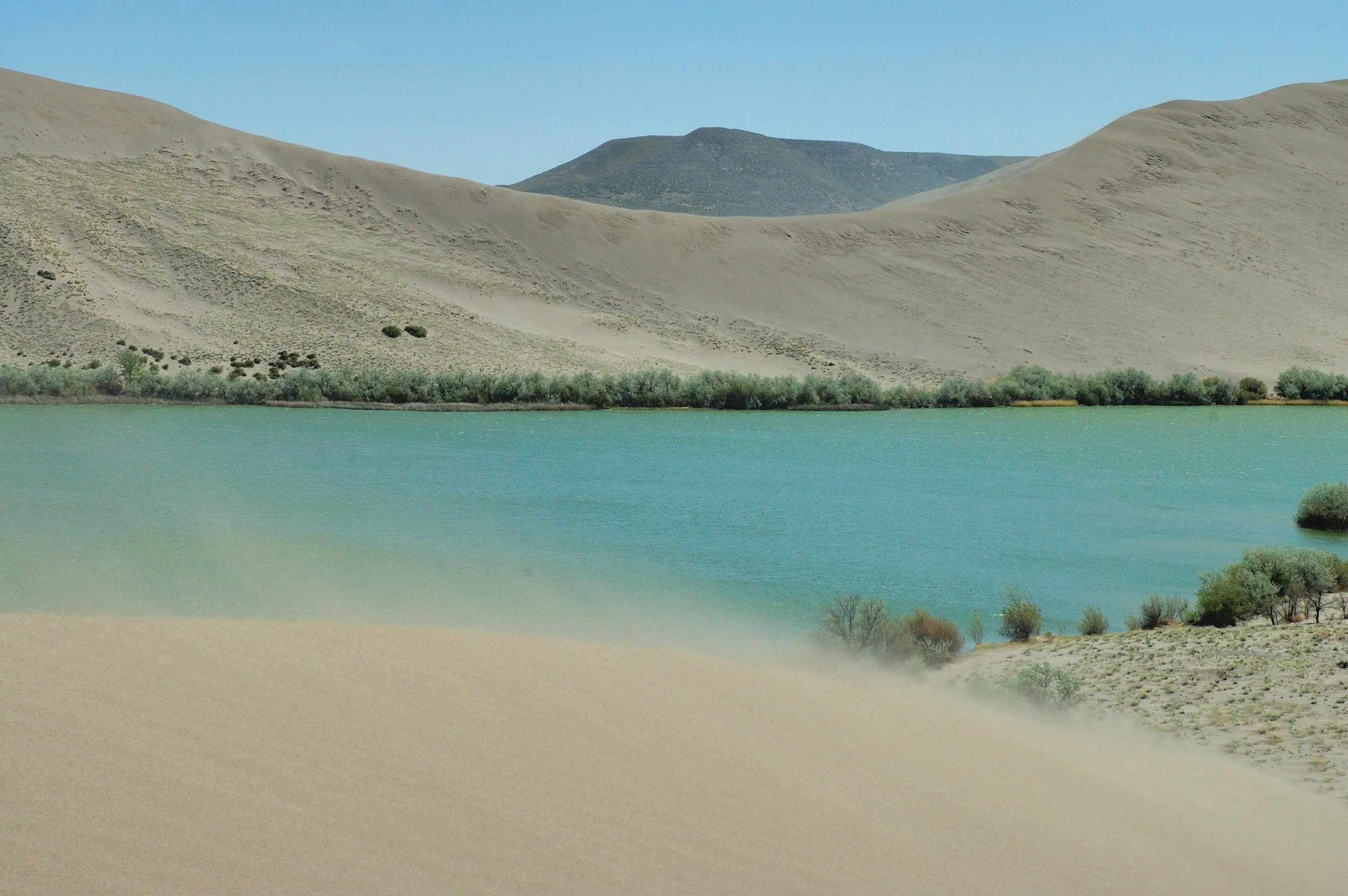
Bruneau Dunes State Park in southern Idaho features North America’s tallest single-structured sand dune at 470 feet, plus an observatory that takes advantage of the dark desert skies. The combination of dune climbing, small lakes, and astronomy makes it one of Idaho’s most distinctive parks.
The Dunes
The dunes are the main event at Bruneau Dunes State Park, especially the park’s 470-foot dune, which Idaho Parks and Recreation identifies as the tallest single-structured sand dune in North America. You can climb directly up the sand, hike around the dune field, or rent a sandboard or sand sled from the Visitor Center when rentals are available. Off-road vehicles are not allowed on the dunes, so the experience stays quiet and foot-powered.
Plan your dune time carefully. Sand heats up fast, and the park stops sandboard rentals for the day at 3:00 p.m. or when the air temperature reaches 80°F at the park, whichever happens first, and boards must be returned by 4:00 p.m., so visitors should call ahead or rent early in the day. Spring and fall are the most comfortable seasons for climbing, photography, and longer walks, while summer visits are best early in the morning or near sunset. For photos, late-day light is especially good, when the low sun brings out the dune ridges, shadows, and curves against the desert sky.
Stargazing and the Observatory
Bruneau Dunes is one of Idaho’s standout stargazing parks and was certified as an International Dark Sky Park by DarkSky International in 2024. The park’s low light pollution, open desert setting, and public astronomy facilities make it a strong choice for visitors who want more than a casual look at the night sky.
The Bruneau Dunes Observatory typically offers public programs on Friday and Saturday nights during the main season. For 2026, Idaho Parks and Recreation lists Observatory Programs from March 13 through October 17 on Friday and Saturday nights. Program times vary by month and sunset, with solar viewing and tours usually beginning before sunset, followed by astronomy presentations and telescope viewing. The park also notes that programs may close early because of weather or low attendance, so check the official calendar before driving out.
The observatory experience may include solar viewing, a short astronomy presentation at the Steele-Reese Education Center, and telescope viewing through the park’s telescope collection. The observatory program uses both 27.5-inch and 25-inch telescopes, including a newer observatory facility dedicated in 2023 that also functions as a planetarium.
Camping
Bruneau Dunes is open year-round for day use and camping, with RV sites, tent sites, equestrian camping, and small camper cabins, though water and restroom or shower availability can change in the colder months. The main developed campgrounds include Broken Wheel and Eagle Cove, both of which require reservations. The Equestrian Campground is first-come, first-served, with non-reservable sites, corrals, a vault toilet, a small shelter, and year-round water available from frost-free spigots.
Amenities vary by area, but the park lists serviced and standard campsites, ADA campsites, cabins, showers, flush toilets, a dump station, electricity, fire rings, charcoal grills, and picnic areas. The small camper cabins sleep five and include electricity, heat and air conditioning, a picnic table, and a fire ring, but visitors need to bring their own bedding. Water and restroom or shower availability can change seasonally, especially from mid-October through mid-March, so winter and shoulder-season campers should check current conditions before booking.
Reservations for Broken Wheel, Eagle Cove, and cabins can be made through Idaho’s state park reservation system or by calling 1-888-922-6743. Same-day cabin stays require calling the park ahead of arrival to confirm availability.
Pet Policy
Pets are allowed at Bruneau Dunes State Park, but they must be kept on a leash no longer than six feet, and owners are responsible for cleaning up after them. The park also lists an off-leash dog area across from Broken Wheel Campground, though it notes that the area is not fenced.
Because the dunes can become dangerously hot, pet owners should be especially careful in warm weather. Bring extra water, avoid midday sand in summer, and check the sand temperature before letting a dog walk on exposed dune surfaces.
Practical Information
Bruneau Dunes State Park is located at 27608 Sand Dunes Road near Mountain Home, about 64 miles south of Boise. Day-use areas, including the dunes, are generally open from 7 a.m. to 10 p.m. under Idaho state park rules, though hours can change at the park manager’s discretion. A Motor Vehicle Entrance Fee is required for park entry; Idaho Parks and Recreation lists the Bruneau Dunes fee as $7 per vehicle, or visitors can use a valid Idaho State Parks Passport or annual pass.
The best times to visit are spring and fall, when temperatures are more comfortable for climbing dunes, hiking, camping, and photography. Summer can be brutally hot, and the sand can become uncomfortable or unsafe by midday, so plan summer visits for early morning or evening. Winter is quieter and can be beautiful, but services may be reduced, and water in many park facilities is typically turned off around mid-October.
Bring sun protection, plenty of water, closed-toe shoes for hot sand and desert plants, a headlamp or red-light flashlight for night programs, and layers for evening temperature swings. For stargazing, check the moon phase before you go, confirm observatory program dates on the park calendar, and avoid using bright white lights after dark.
Wildlife to Be Aware Of
Western rattlesnakes are present in the desert terrain at Bruneau Dunes and are an important wildlife hazard to be aware of. Watch your footing on rocky ground, around brush, near the base of the dunes, and along any trail edges with dense low vegetation. Never reach under rocks or into gaps you cannot see clearly. Rattlesnakes are most active during warm months from late spring through early fall, particularly at dawn and dusk. Scorpions and black widow spiders are also common in desert environments like this one. Both shelter under rocks, wood, debris, and footwear left outside overnight. Always shake out shoes, boots, clothing, and gear before putting them on, especially after camping. Coyotes are active in the park and may be heard at night. Do not feed them and keep pets on a leash at all times. In summer, the sand surface temperature can be far hotter than the air temperature and can cause burns on bare feet and paws within seconds. Check the sand before walking on it without shoes, and avoid taking dogs onto exposed dune surfaces during midday heat.
Frequently Asked Questions
What is the entry fee for Bruneau Dunes State Park?
Day use costs $7 per vehicle, and the Idaho State Parks Passport is accepted in place of the standard fee.
Can you rent a sandboard at Bruneau Dunes State Park?
Sandboards and sand sleds are available to rent from the Visitor Center when rentals are available, though rentals may stop when air temperature reaches 80 degrees F or before the Visitor Center closes, so calling ahead or renting early in the day is recommended.
When is the best time to visit Bruneau Dunes State Park?
Spring and fall offer the most comfortable conditions for dune climbing and hiking, while summer visitors should plan to arrive early in the morning or near sunset to avoid extreme heat on the sand.
Are dogs allowed at Bruneau Dunes State Park?
Leashed dogs are welcome throughout the park including an off-leash area across from Broken Wheel Campground, though owners should avoid midday dune visits in summer as sand temperatures can burn paws.