
Farragut State Park
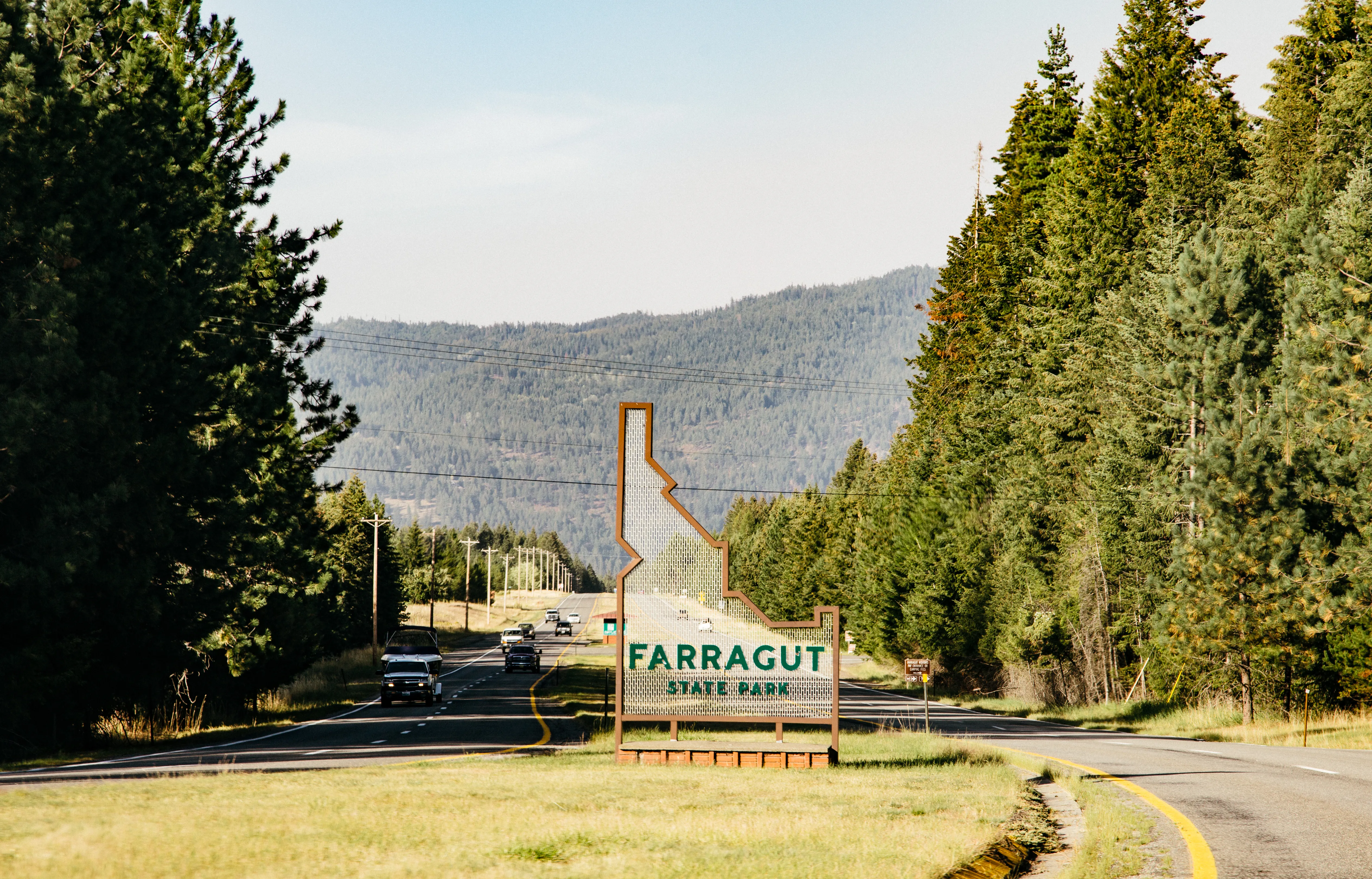
Farragut State Park occupies the southern shore of Lake Pend Oreille in the panhandle of northern Idaho, about 25 miles northeast of Coeur d’Alene. The park covers 4,000 acres of mixed conifer forest and lakefront terrain, and it carries an unusual history: the land was once Farragut Naval Training Station, one of the largest naval training bases in the United States during World War II. During the 30 months the base was open, 293,381 sailors received basic training here; by September 1942 the base had a population of about 55,000. Today the park blends that layered history with serious outdoor recreation, drawing campers, mountain bikers, paddlers, and hikers to one of the largest lakes in the American West.
The Naval History and Museum
The WWII history is one of the most compelling reasons to linger at Farragut beyond a single trail run or swim. The Museum at the Brig, located near the park entrance, holds photographs, artifacts, and personal accounts from the naval training era. Several original base structures still stand on the grounds, including a brig building that visitors can walk through. The scale of what was built here in the early 1940s, an entire city-sized installation constructed in under a year, is difficult to fully absorb until you start moving through the landscape and recognize how much of the infrastructure is still embedded in it. Budget at least an hour here if military history interests you at all.
Mountain Biking and Trails
Farragut has developed a reputation as one of the better mountain biking destinations in the Idaho panhandle. The park has over 40 miles of trails, and a dedicated network of singletrack winds through the forest with options ranging from easy gravel paths to more technical terrain. The Shoreline Trail follows the edge of the lake and rewards hikers and riders with views across the water toward the Cabinet Mountains. Many of the trails use old base roads as their foundation, which gives them a distinctive wide, straight character in places before breaking into proper singletrack. Hikers and cyclists share most trails, so expect company on weekends.
Lake Pend Oreille and Water Recreation
Lake Pend Oreille is enormous, reaching depths of over 1,100 feet in places, and it anchors the entire character of the park. The park includes a swimming beach at Beaver Bay, boat launch facilities, and open water access for kayakers and paddlers. The lake is cold year-round due to its depth, which affects both swimming conditions and boating safety. Fishing is popular on the lake, with kokanee salmon, rainbow trout, and lake trout among the target species. Kayaks, paddleboards, and floats can be rented in the Beaver Bay Beach area; visitors bringing motorized watercraft should plan to haul their own.
Camping
Farragut offers over 200 campsites spread across several campground areas, including sites with full hookups, partial hookups, and primitive tent sites. Reservations are strongly recommended from late spring through Labor Day, as the park fills most summer weekends. The campgrounds sit within the trees rather than directly on the water, which provides shade and some privacy. A group camping area accommodates larger gatherings and requires advance booking.
Pet Policy
Pets are welcome at Farragut State Park and must be kept on a leash no longer than six feet at all times. Pets are allowed on trails, in campgrounds, and in most day-use areas but are not permitted on the swimming beach. Owners are required to clean up after their animals throughout the park.
Wildlife to Be Aware Of
Northern Idaho forests support black bears, and Farragut is no exception. Bears move through the park, particularly in late summer and fall when they are feeding heavily. Store all food, coolers, and scented items in a vehicle or bear box when not in use, and never leave food unattended at a campsite. Black bears are generally not aggressive, but feeding them deliberately or leaving attractants out creates dangerous situations for both visitors and the animals.
Mountain lions also inhabit the forested terrain around the park. Sightings are uncommon but not unheard of. Keep children close on trails, avoid hiking alone at dawn or dusk when lion activity tends to peak, and make noise while moving through dense brush. If you encounter a mountain lion, do not run. Make yourself look large and back away slowly.
Ticks are active from spring through fall in the brushy and forested areas throughout the park. Wearing long pants and light-colored clothing helps with detection. After any outing, do a thorough check of your scalp, neck, armpits, and behind the knees. Remove any attached ticks promptly with fine-tipped tweezers.
Lake Pend Oreille stays extremely cold even in summer due to its exceptional depth. The cold water accelerates hypothermia and cold shock if you capsize or fall in unexpectedly. Wear a life jacket whenever you are paddling or boating, regardless of your swimming ability or the conditions at launch.
Practical Information
Farragut State Park is located at 13550 E. Hwy 54, Athol, ID 83801, roughly 25 miles northeast of Coeur d’Alene via Highway 95 north to Athol, then east on Highway 54. The nearest town with full services is Coeur d’Alene. Entry fees are $7 per vehicle for Idaho residents and $14 per vehicle for non-residents. The Idaho State Parks Passport is accepted in lieu of the daily fee. Campsite reservations can be made through the Idaho Department of Parks and Recreation reservation system at getoutside.idaho.gov. The park is open year-round, though some facilities close or reduce hours in winter. Trails can be muddy and snow-covered from late November through early April.
Frequently Asked Questions
Are dogs allowed at Farragut State Park?
Dogs are welcome throughout most of the park, including trails and campgrounds, but must be kept on a leash no longer than six feet at all times and are not permitted on the swimming beach at Beaver Bay.
How much does it cost to enter Farragut State Park?
Entry is $7 per vehicle for Idaho residents and $14 per vehicle for non-residents, and the Idaho State Parks Passport is also accepted.
Do I need reservations for camping at Farragut State Park?
Reservations are strongly recommended from late spring through Labor Day, as the park fills most summer weekends, and the group camping area requires advance booking regardless of season.
Can I bring my RV to Farragut State Park?
Farragut offers over 200 campsites across several campground areas, including sites with full hookups and partial hookups suited for RVs, though reservations are strongly recommended during the busy summer season.