
Fakahatchee Strand Preserve
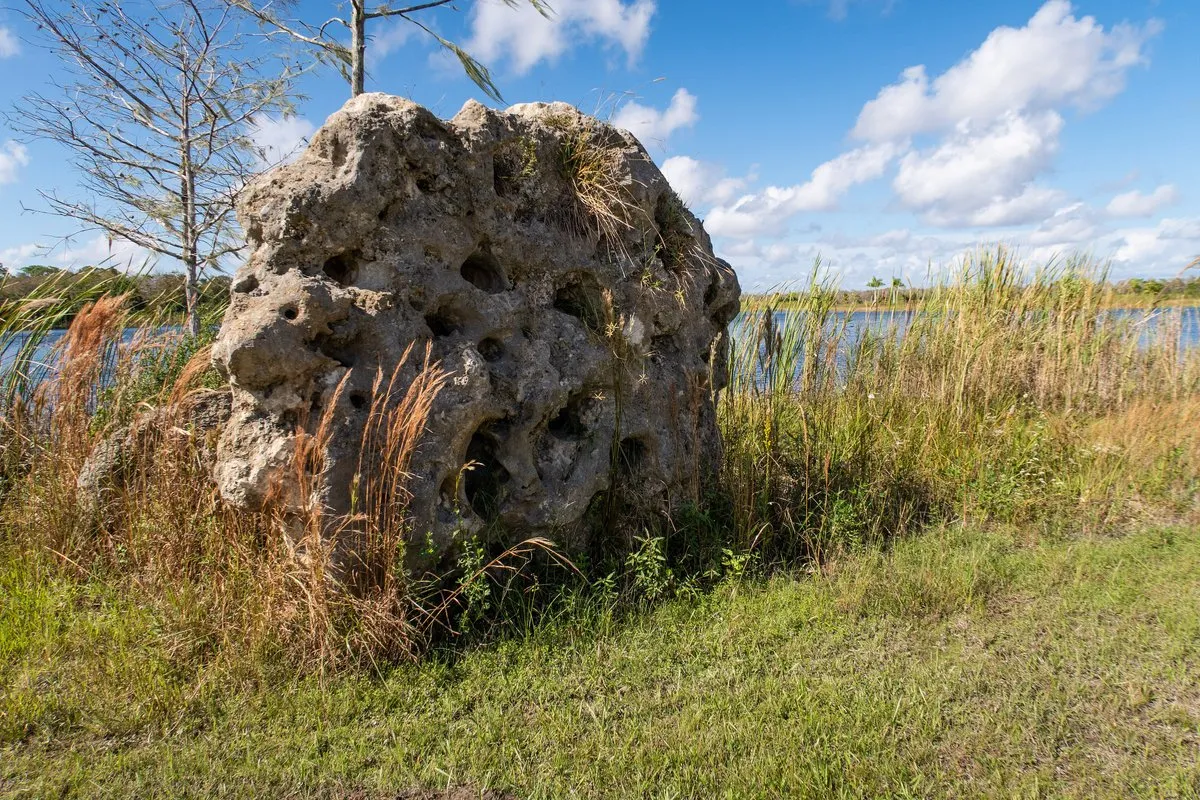
Fakahatchee Strand Preserve State Park protects a long, narrow swamp forest in Collier County along Florida’s southwest coast, near Copeland, north and west of Everglades City. The park spans more than 85,000 acres and follows the Fakahatchee Strand, the largest strand swamp in North America. What sets this place apart is the remarkable concentration of native orchids growing wild among ancient bald cypress and royal palms, earning it the nickname “the Amazon of North America.”
Wildlife and Orchids
Fakahatchee is home to the largest concentration and greatest diversity of native orchids found anywhere in the United States. More than 40 orchid species grow here, including the ghost orchid, one of the rarest and most sought-after plants in the world. Blooms depend on seasonal conditions and are never guaranteed, but winter and spring offer reasonable chances of spotting something extraordinary. Beyond orchids, the swamp supports a full cast of Florida wildlife. American alligators are common throughout the waterways, and visitors regularly see white-tailed deer, river otters, and wading birds including great blue herons and wood storks. The Florida panther also uses this habitat, though sightings are rare.
Trails and Boardwalk
The main access point for most visitors is the Big Cypress Bend Boardwalk, located off US-41 (Tamiami Trail). This 1.15-mile one-way trail, mostly elevated boardwalk with some hard-packed connector paths, cuts through an old-growth cypress swamp draped in air plants and Spanish moss. The views here are some of the most visually striking in any Florida state park. Guided swamp walks take visitors off the boardwalk entirely and into the water itself, wading through the swamp floor to get a closer look at the ecosystem. These guided programs are extremely popular and require advance registration. Farther into the park, a former tram road known as the W. J. Janes Memorial Scenic Drive offers a nearly 12-mile gravel road for hiking, biking, and wildlife observation. This corridor passes through deep swamp habitat and is one of the best spots in the park for birdwatching.
History
The Fakahatchee Strand was heavily logged in the mid-20th century. Logging companies built an extensive tram network through the swamp to extract bald cypress, much of which was hundreds of years old. By the mid-1950s, most of the old-growth timber had been removed, and the land was later targeted for real estate development. Those plans never fully materialized, and the state of Florida began acquiring the land in the 1970s. The old tram roads left behind by the logging industry now serve as the primary access routes through the interior. The swamp has been recovering for decades and today supports second-growth cypress alongside some remaining old-growth trees that were spared.
Pet Policy
Pets are welcome at Fakahatchee Strand Preserve State Park but must be kept on a leash no longer than six feet at all times. Pets are not permitted on the Big Cypress Bend Boardwalk, but leashed dogs are allowed along the Janes Scenic Drive. They are not permitted to participate in guided swamp walks. Owners are responsible for cleaning up after their animals throughout the park.
Practical Information
The Big Cypress Bend Boardwalk is located off US-41 about 7 miles west of State Road 29, at 27020 Tamiami Trail E. The park headquarters and entrance to Janes Scenic Drive are at 137 Coastline Drive in Copeland, Florida. The nearest town with full services is Naples, approximately 35 miles to the west. Day-use fees are $3 per vehicle for up to eight people, and $2 for pedestrians and bicyclists. Guided swamp walks have a fee and fill up quickly, so advance reservations through Friends of Fakahatchee or its Eventbrite page are strongly recommended. The walks are typically offered from mid-October through April. Summer visits bring intense heat, humidity, and heavy mosquito activity, so early morning hours and insect repellent are essential year-round.