
Lake Guntersville State Park
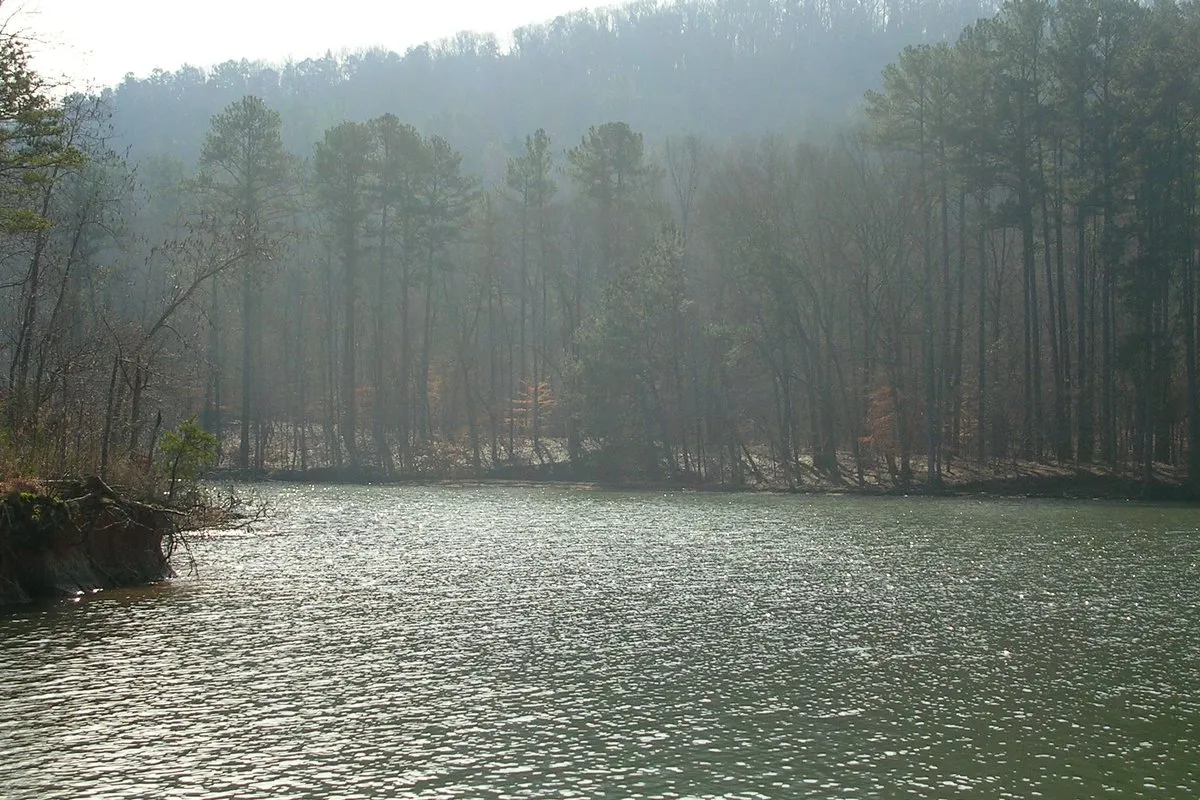
Lake Guntersville State Park stretches across more than 6,000 acres along the shores of Lake Guntersville in northeast Alabama, where the Tennessee River widens into Alabama’s largest lake. The park draws visitors year-round for its fishing, hiking, and camping, but it has earned a national reputation for something less expected: exceptional bald eagle watching during the winter months, when eagles are regularly seen around the park and lake.
Bald Eagle Watching
During the winter months, Lake Guntersville becomes one of the best places in the southeast to observe bald eagles in the wild. The lake’s fish and waterfowl habitat attracts eagles, and visitors may spot multiple birds on a good day. The park hosts annual Eagle Awareness Weekends on select weekends in January and February, drawing birders and photographers from across the region. Programs may include guided eagle safari tours, live birds of prey presentations, and shoreline birding walks focused on eagle viewing. Even outside the organized events, eagle sightings from park overlooks, day-use areas, or the shoreline are common throughout winter. Binoculars are strongly recommended, and patience pays off.
Hiking and Trails
The park maintains roughly 36 miles of trails across varied terrain, from easy lakeside walks to more demanding ridge routes with long views over the water. Seale’s Trail is a 1.6-mile one-way hiking-only trail from the Highway 227 bridge to the campground, and combined with the Meredith Trail it forms a roughly 4-mile route that suits a range of fitness levels. Taylor Mountain Trail is 1.9 miles one-way, with about 300 feet of elevation change, winding through forest and across rocky sections with open views over the water from the summit area. Tom Bevill Trail covers similar terrain and can be combined with Taylor Mountain for a longer outing. Trail surfaces range from packed dirt to exposed rock, and conditions can change with rainfall, so checking in at the park office before heading out is worthwhile. Wildflowers in spring add color along many routes, and fall foliage typically peaks in October.
Fishing and Water Recreation
Lake Guntersville is widely considered one of the best largemouth bass fisheries in the country and has hosted major professional bass tournaments for decades. The park provides boat ramps, boat rentals, fishing supplies, and fuel at Town Creek Fishing Center. Crappie, catfish, bream, and sauger also attract anglers. A valid Alabama fishing license is required. The calmer coves around the park offer good paddling terrain for kayaks and canoes, and rentals are available through the park.
The Beach
The park’s swim beach on Lake Guntersville is open sunrise to sunset; contact the park directly for current seasonal dates before your visit. The beach has a designated swim area, bathhouse facilities, and picnic areas nearby. Lake Guntersville’s warm, calm water makes for comfortable swimming, and the broad sandy shoreline gives families plenty of room to spread out. The beach is one of the most popular destinations in the park on hot summer weekends; arriving early or visiting on a weekday makes a significant difference. Dogs are not permitted on the beach or in the swim area.
Camping
The main Lake Guntersville State Park Campground has 282 improved campsites and a primitive camping area. Town Creek Fishing Center separately offers primitive and dry camping. Several sites sit close to the water’s edge, making them among the most in-demand in the park. The campground has bathhouses and is within walking distance of the boat ramp and fishing center. Reservations are strongly recommended for summer weekends, Eagle Awareness Weekends, and the fall foliage season.
The Lodge
The Lake Guntersville State Park Lodge sits on a ridge above the lake, with guest rooms and chalets offering views of the water and surrounding hills. The lodge restaurant is open to both overnight guests and day visitors, making it a practical stop for a lakeside meal without a room reservation. Rooms, chalets, and cabins are spread across the property, with chalets sleeping larger groups and several pet-friendly units available for an additional fee. The lodge fills quickly during Eagle Awareness Weekends in January and February and most summer weekends, so reservations well in advance are recommended.
Pet Policy
Pets are welcome in many areas of the park and are permitted in designated camping areas and on trails. Pets must be crated, caged, on a leash no longer than six feet, or otherwise under physical restrictive control. Pets are not allowed in the restaurant, on the beach or in swimming areas, or in park buildings and rental units that are not specifically designated as pet-friendly. Designated pet-friendly lodge rooms, chalets, and cabins are available for an additional fee. When booking lodging, confirm pet accommodations in advance, as availability is limited.
Wildlife to Be Aware Of
Copperheads are common throughout the park’s wooded and rocky terrain and are the venomous snake visitors are most likely to encounter; watch where you step on trails and around rocky areas. Timber rattlesnakes also inhabit the park. Cottonmouth snakes are present near the lake edges and creek corridors; give any snake near water a wide berth. Fire ants are common in campgrounds and open grassy areas and can deliver painful stings. Blacklegged/deer ticks can transmit Lyme disease, and other ticks also transmit diseases in Alabama; tick checks are recommended after time in grassy, brushy, or wooded areas year-round, with heightened activity in early spring and late fall. The park’s educational campfire talks on snake safety are worth attending if you are visiting with children or less experienced outdoor guests.
Practical Information
Lake Guntersville State Park is located at 1155 Lodge Drive, Guntersville, Alabama. Downtown Guntersville is roughly six to seven miles from the park via AL-227. From Birmingham, the drive takes about two hours heading northeast. The park is open year-round, though day-use areas are generally open sunrise to sunset and some facilities are seasonal. Beach admission is free for children age 3 and under, $3 for children ages 4 to 11, $5 for adults ages 12 to 61, and $2 for seniors age 62 and older. Veterans and active duty military enter free with ID; this does not extend to dependents. Contact the park to confirm any additional day-use fees that may apply outside the beach area. Camping and lodging reservations can be made through the Alabama State Parks reservation system. Eagle watching is best in winter, with Eagle Awareness programs typically scheduled on select weekends in January and February. The park office can provide current trail conditions and activity schedules.
Frequently Asked Questions
Are dogs allowed at Lake Guntersville State Park?
Leashed dogs are permitted on trails and in designated camping areas, but are not allowed on the beach, in swimming areas, or in park buildings unless the unit is specifically designated as pet-friendly.
When is the best time to see bald eagles at Lake Guntersville?
Winter is peak eagle season, with January and February typically offering the most sightings; the park hosts Eagle Awareness Weekends on select dates during those months.
What is the entry fee for Lake Guntersville State Park?
Day-use fees are $5 for adults ages 12 and up, $2 for children ages 6 to 11, $2 for seniors age 62 and older, and free for active and veteran military.
Is Lake Guntersville good for fishing?
Lake Guntersville is widely regarded as one of the best largemouth bass fisheries in the country and regularly hosts major professional bass tournaments.
What lodging is available at Lake Guntersville State Park?
The Lake Guntersville State Park Lodge offers guest rooms, chalets, and cabins, with several pet-friendly units available for an additional fee. The lodge restaurant is open to both overnight guests and day visitors, and reservations are recommended well in advance for summer weekends and Eagle Awareness Weekends in January and February.