
Gulf State Park
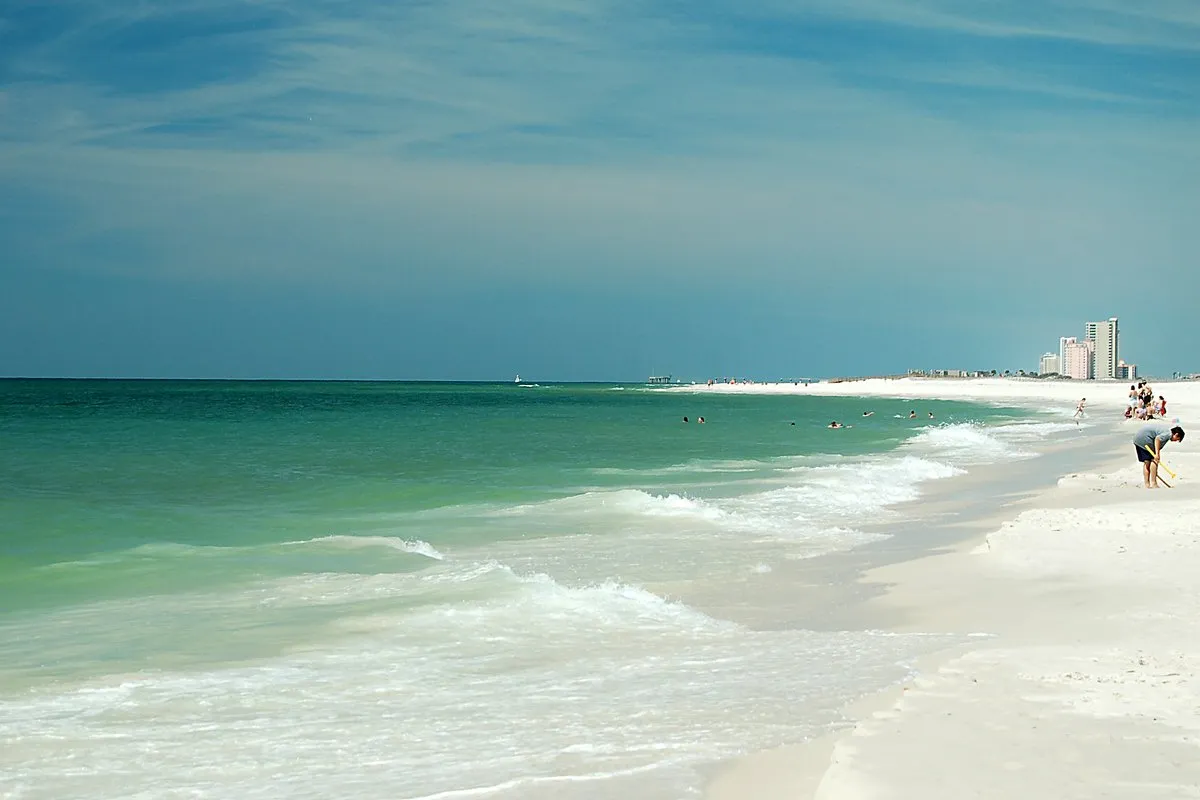
Gulf State Park stretches across 6,150 acres along the Alabama Gulf Coast, anchoring the eastern end of Gulf Shores near the Florida state line. The park’s more than 3.5 miles of white sand beaches on the Gulf of Mexico draw the most visitors, but the surrounding system of dunes, wetlands, lakes, and longleaf pine forest makes this one of the most ecologically varied parks on the northern Gulf Coast. A major reconstruction following Hurricane Ivan in 2004 and significant investment after subsequent storms have left the park with modern facilities that rival many private resorts, without sacrificing natural character.
Beach and Water Activities
The beach at Gulf State Park is the centerpiece of any visit. The sugar-white sand and warm Gulf water make for reliable swimming from late spring through early fall, with posted beach-warning flags and designated swimming areas where marked; verify any current lifeguard coverage directly with Gulf State Park before publishing. The park also fronts Lake Shelby, a freshwater lake separated from the Gulf by a narrow strip of dunes. Kayakers and paddleboarders use the lake regularly, and a boat launch provides access for small watercraft. Fishing is strong in both environments. Anglers work the surf for pompano and whiting, while the lake holds bass, bream, and crappie. A fishing pier extends from the beach area and gives anglers a platform over deeper Gulf water without requiring a boat.
Trails and Wildlife
The park maintains 29 miles of trails covering a wide range of terrain, from boardwalks through coastal wetlands to packed natural-surface paths through longleaf pine savanna. The Hugh S. Branyon Backcountry Trail is the main trail network, with multiple named loops that pass through nine distinct ecosystems. Birding is excellent throughout the system, particularly during spring and fall migration when warblers, thrushes, and shorebirds move through in large numbers. White-tailed deer, alligators, gopher tortoises, and a variety of wading birds are commonly seen year-round. The dune and wetland habitats support several rare or protected plant species, and interpretive signage along some trail segments explains the ecology of each habitat type.
Camping and Lodging
Gulf State Park offers one of the most complete camping setups in the Alabama state park system. The campground has 496 improved full-hookup sites with paved pads, plus eight primitive tent-only sites. Restroom and shower facilities are well maintained. For visitors who prefer indoor accommodations, the park operates a lodge directly on the beach with standard hotel-style rooms and gulf-facing views. Cabin rentals are also available near the lake. All lodging and many campsites book up well in advance for summer weekends, so reservations are strongly recommended from Memorial Day through Labor Day.
Pet Policy
Pets are allowed in the park and on many of the backcountry trails, provided they are kept on a leash no longer than six feet at all times. Pets are not permitted on Gulf State Park beaches or in swimming areas, and they are not allowed in park buildings unless the area or lodging unit is specifically designated as pet-friendly. They are allowed in the campground. Owners are responsible for cleaning up after their animals throughout the park.
Wildlife to Be Aware Of
Alligators are present in and near the park’s lakes, wetlands, marsh areas, and along parts of the Backcountry Trail. Give them a wide berth, never feed them, and keep children and pets away from the water’s edge. Cottonmouth snakes and other species are occasionally encountered on trails, particularly in warmer months; watch where you step. In the Gulf, jellyfish and Portuguese Man o’ War are seasonal hazards; if stung, leave the water and seek first aid. Fire ants are common throughout much of coastal Alabama and can be encountered in outdoor areas, so watch your step when moving through grassy or sandy ground anywhere in the park. Never feed any wildlife, as it is prohibited and can lead to dangerous habituation.
Practical Information
Gulf State Park is located at 20115 State Park Road in Gulf Shores, Alabama. Central Gulf Shores is about two miles west of the main park entrance. From I-10, take Exit 44 south on Highway 59 through Gulf Shores, then head east on Highway 182 to reach the park entrance. Beach parking fees apply: $15 per day for personal vehicles (increased from $10 in 2026), and $35 for vehicles with a trailer, buses, or large RVs, with that parking permitted at the Beach Pavilion and Pier only. An annual beach parking pass is $200, available at Park Headquarters. Orange Beach residents and veterans are eligible for a free annual pass. Camping and lodging reservations can be made through the Alabama State Parks reservation system online. The park is open year-round, though facilities and staffing are reduced in winter months. Summer is peak season for beach use, while spring and fall offer milder conditions for hiking and wildlife viewing.
Frequently Asked Questions
Are dogs allowed at Gulf State Park?
Leashed dogs are permitted on many backcountry trails and in the campground, but are not allowed on the beach, in swimming areas, or in park buildings.
What is the parking fee at Gulf State Park?
Beach parking costs $15 per day for personal vehicles and $35 for buses, large RVs, or vehicles with a trailer; an annual pass is available for $200.
Are there alligators at Gulf State Park?
Alligators are present throughout the park's freshwater habitats, including Lake Shelby, the salt marsh corridor, and along the Backcountry Trail.
Is there camping at Gulf State Park?
The park offers 496 improved full-hookup campsites, eight primitive tent-only sites, a beachfront lodge, and cabin rentals near the lake.
Do tides affect the beach or fishing at Gulf State Park?
Gulf of Mexico tides at Gulf State Park are modest compared to Atlantic or Pacific coasts, but low tide exposes more of the sandy shoreline and generally improves conditions for surf fishing and pier fishing. NOAA tide predictions for the Gulf Shores area cover the park's stretch of coastline.