
Coral Pink Sand Dunes State Park
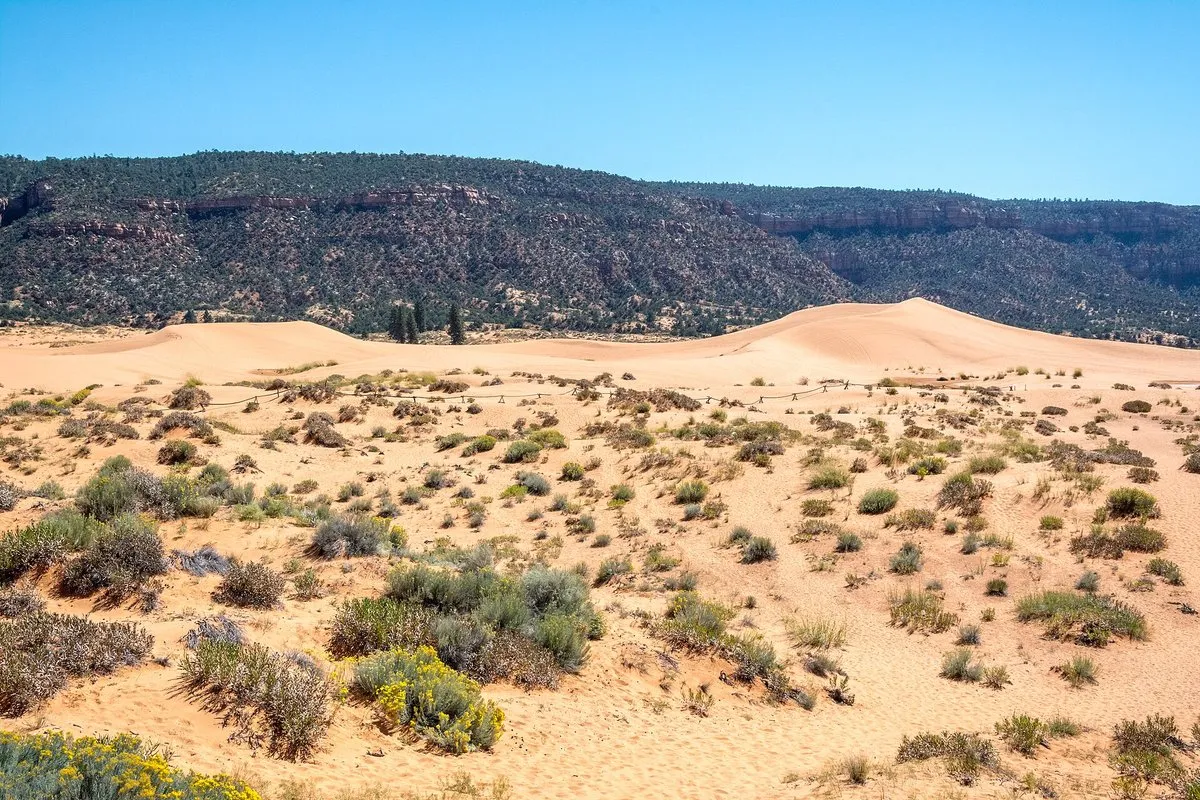
Coral Pink Sand Dunes State Park preserves one of Utah’s most visually striking landscapes: towering dunes of vivid salmon and coral-toned sand rising from the canyon country near Kanab in the state’s south. The color comes from eroding Navajo sandstone in the surrounding cliffs, and wind channeled through a notch in the plateau keeps the dunes in slow, constant motion. At 3,730 acres, the park draws visitors who want to ride, hike, slide, or simply walk out onto the sand and watch the light change.
OHV and ATV Riding
Off-highway vehicle riding is the dominant activity at Coral Pink Sand Dunes, and the park is one of the few places in Utah where you can legally ride ATVs and OHVs directly on open sand dunes. About 90 percent of the dune field is designated for OHV use, and riders come from across the region for the combination of open terrain and dramatic scenery. Helmets are required for riders under 18 and strongly encouraged for adults. Flags are required on all vehicles. OHV rentals are available from commercial outfitters in Kanab if you are not bringing your own equipment.
Sandboarding and Hiking the Dunes
A smaller conservation area of the dune field is non-motorized, and all of the dunes are open for hiking and playing in the sand. There are no formal hiking trails across the dunes. You simply walk out from the parking area and follow the ridgelines at your own pace. The soft sand makes any route physically demanding, and even a short walk to the crest of a main dune takes real effort. Sandboards and sleds can be rented at the park visitor center. The most comfortable riding conditions are when the sand is still cool, typically in the morning. In summer, the surface temperature of the sand can reach dangerous levels by midday, so plan outdoor time early.
Camping at Coral Pink Sand Dunes
The park campground has sites with water and electric hookups as well as dry camping sites with no hookups. Sites are available year-round, which makes this a popular base for winter visits when the dunes are quieter and temperatures are mild. The campground has flush toilets and a dump station. Reservations are strongly recommended during spring and fall weekends, and the park fills quickly during holiday weekends. Summer nights are warm enough for comfortable camping, though daytime heat between June and August can be intense.
Stargazing and Evening Light
The park’s distance from large cities and its position in a broad, low canyon makes it a genuinely dark sky location. Evening visits reward patience. The dunes photograph well in late afternoon when the low angle of the sun deepens the coral tones and shadows define each ridge. After dark, the sky fills quickly without much light pollution, and the open terrain gives unobstructed views from horizon to horizon. No special programs or equipment are provided by the park, but the conditions are consistently good for casual stargazing.
Pet Policy
Pets are welcome at Coral Pink Sand Dunes and must be kept on a leash no longer than six feet at all times. This applies on the dunes, in the campground, and throughout the park. Keep pets well away from active OHV traffic. Clean up after your pet and carry out all waste.
Wildlife to Be Aware Of
One of the most significant wildlife considerations at this park is also easy to overlook. The Coral Pink tiger beetle is an endemic insect found nowhere else on Earth. It lives in the open sand of the dune field, and its habitat is protected within the conservation area. Watch where you step in the non-motorized dune area and avoid crushing beetles on exposed sand surfaces.
Mule deer, coyotes, and kit foxes all move through the park regularly. These animals may appear approachable, especially at dawn and dusk near the campground, but feeding or attempting to touch them is harmful to the animals and prohibited. Coyotes in particular can become bold around campsites if people leave food accessible.
Jackrabbits and small rodents are common throughout the park. Rodents in this region can carry hantavirus, which is transmitted through contact with droppings, urine, or nesting material. Do not handle any rodents, avoid disturbing rodent burrows or debris piles, and do not leave food in tents or open containers that could attract them.
Scorpions are present in the rocky and sandy terrain, and encounters are most likely at night. Before putting on shoes, boots, or gloves that have been left outside, shake them out thoroughly. Check sleeping bags and clothing left on the ground. Scorpion stings are painful and occasionally require medical attention, particularly for children and people with sensitivities.
Practical Information
Coral Pink Sand Dunes State Park is located on Sand Dune Road, approximately 22 miles west of Kanab, Utah. From Kanab, follow US-89 north for about 10 miles to Hancock Road Scenic Backway, then follow the signs west toward the park. At Yellowjacket Road, turn left and continue to the park entrance. The road is paved all the way to the parking lot.
Entry is $15 per vehicle. Utah residents age 65 and older pay $10. The Utah State Parks annual pass is accepted. Camping rates are $28 per night for sites without hookups and $45 per night for sites with water and electric. Reservations can be made through ReserveAmerica, the Utah State Parks reservation system.
The park is open year-round. Spring and fall offer the most comfortable temperatures for outdoor activity. Summer visits should be planned around early morning hours to avoid extreme heat on the sand. The nearest full services, including gas, groceries, and lodging, are in Kanab.
Frequently Asked Questions
What is the entry fee for Coral Pink Sand Dunes State Park?
Entry costs $15 per vehicle, or $10 for Utah residents aged 65 and older, and the annual Utah State Parks pass is accepted.
Are dogs allowed at Coral Pink Sand Dunes?
Pets are welcome throughout the park, including on the dunes and in the campground, but must be kept on a leash no longer than six feet at all times and are not permitted in the active OHV riding area.
Can you ride ATVs and OHVs on the dunes?
Roughly two-thirds of the dune field is designated for OHV use, making it one of the few places in Utah where you can legally ride ATVs and OHVs on open sand dunes, though helmets and flags are required on all vehicles.
How far is Coral Pink Sand Dunes from Zion National Park?
Coral Pink Sand Dunes State Park is approximately 28 miles from Zion National Park, making it a popular stop for visitors exploring the canyon country near Kanab in southern Utah.