
Table Rock State Park
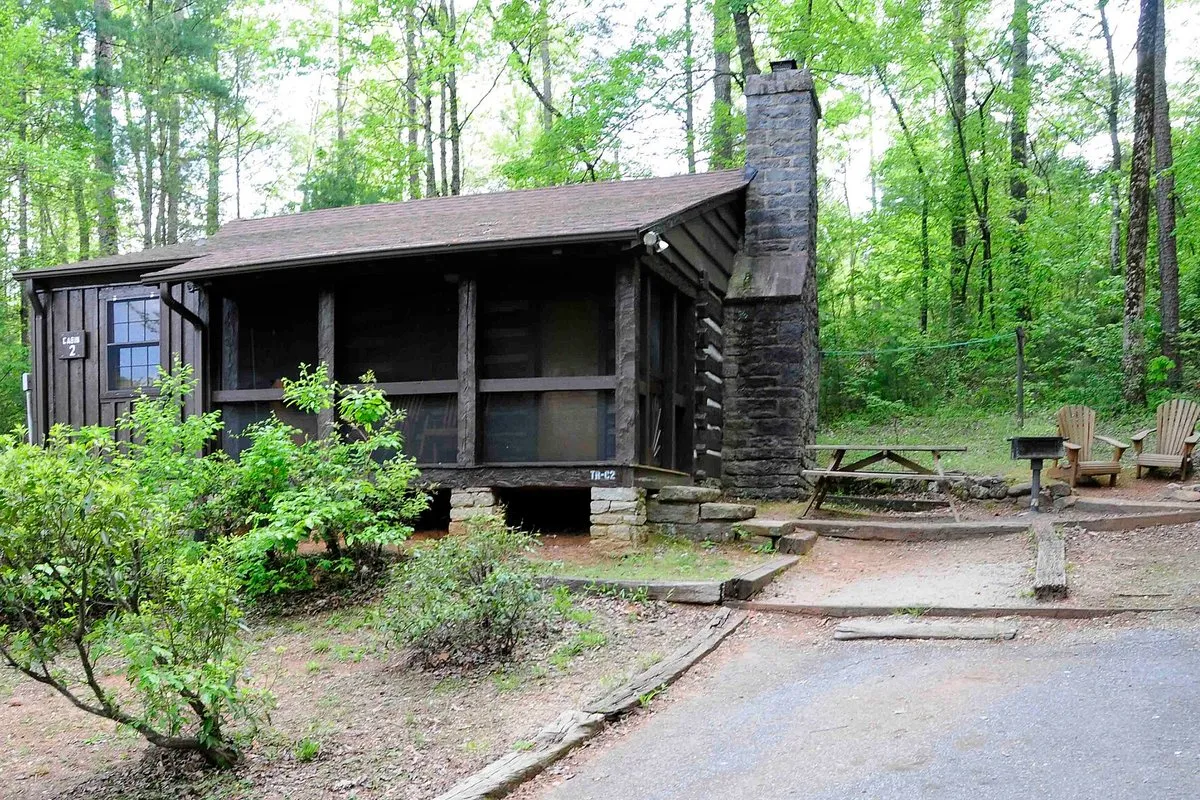
Table Rock State Park covers more than 3,000 acres in the Blue Ridge Mountains of upstate South Carolina, anchored by the unmistakable granitic gneiss dome of Table Rock Mountain rising to 3,124 feet. The park draws hikers, campers, and history enthusiasts from across the Southeast, offering one of the most rewarding summit climbs in the state alongside CCC-built cabins, two park lakes, and a genuine sense of mountain character that sets it apart from South Carolina’s coastal and piedmont parks.
The Summit and Waterfall Trails
The Table Rock Trail is the reason most people make the trip. The route climbs roughly 2,000 feet over about 3.6 miles to the open granite summit, where views extend across the Blue Ridge escarpment into North Carolina. The upper sections travel directly over bare rock faces marked with red blazes, and the exposure on clear days is remarkable for the region. It is a strenuous hike, not a walk, and hikers who underestimate it regularly turn back short of the top.
The Lakeside Trail and the hike to Governor’s Rock on the Table Rock Trail offer shorter options for those wanting forest and ridge scenery without the full summit commitment. The Carrick Creek Trail follows a cold, rocky stream through hemlock-shaded forest and passes a series of cascades, making it one of the more rewarding easy-to-moderate hikes in the park. In wet seasons, the falls along Carrick Creek are impressive enough to be a destination on their own. Altogether the park has more than 12 miles of maintained trails, and most are well-marked and maintained to a high standard.
CCC Cabins and the Park’s Historical Character
Table Rock is one of a handful of South Carolina state parks where the Civilian Conservation Corps legacy is still strongly visible and in use. The CCC built the original park infrastructure during the 1930s, and many of the stone-and-timber cabins, dining hall, and support buildings they constructed are still standing. Fourteen rental cabins are available and range from one-bedroom structures to larger family units. Staying in one of the original cabins gives the park a quality that newer developments rarely match. The architecture fits the mountain landscape in a way that feels deliberate rather than accidental, and the Nature Center is worth a stop for exhibits on the CCC history and the natural history of the Blue Ridge.
Pinnacle Lake and Campground
The park’s 36-acre Pinnacle Lake sits below the mountain and serves as the hub for camping and casual recreation. A swimming area is open during summer months, and the calm water makes it popular with families. Pedal boats, canoes, kayaks, and fishing boats are available for rent on a seasonal basis, and fishing for bass, bream, and catfish is a low-key option for those who want to spend time on or near the water.
The campground offers 94 standard sites with water and electrical hookups, along with primitive camping areas. The setting within the park’s wooded mountain landscape makes it one of the better-developed campgrounds in the state park system. Reservations are strongly recommended on summer and fall weekends, as the campground fills consistently during peak season.
Pet Policy
Leashed pets are welcome in most areas of the park, including trails and the campground. The leash must be no longer than six feet. Pets are permitted in cabins 4, 9, 10, and 11 only and are not allowed in any other rental cabins, the swimming area, or park buildings. Owners are expected to clean up after their animals. Given the wildlife present in the park, keeping pets close and under control is both a rule and a practical safety measure.
Wildlife to Be Aware Of
The rocky terrain on and around the Table Rock summit is prime habitat for timber rattlesnakes, particularly from spring through early fall when the snakes are active and warming on exposed rock faces. Watch where you place your hands when scrambling over rock slabs, and give any snake you encounter a wide berth. Copperheads are present throughout the lower forest, especially in areas with heavy leaf litter and along creek corridors. They are well-camouflaged and easy to overlook on the trail. Both species are venomous, and neither is aggressive if left undisturbed.
Black bears live throughout the park, and sightings occur regularly. Bears in state parks that receive heavy visitation can become food-conditioned if campers handle food carelessly. Store all food, coolers, and scented items in a hard-sided vehicle, camper, or bear-resistant container when not in use, never leave food unattended at a site, and do not leave anything with a scent inside a tent. If you encounter a bear on the trail, make noise, give it space, and back away slowly.
Yellowjackets and ground-nesting wasps are a legitimate hazard on rocky trail sections and at trailside vegetation throughout summer and fall. Nests are often invisible until you are on top of them. If you or someone in your group has a known allergy to stings, carry an epinephrine injector.
Practical Information
Table Rock State Park is located at 158 E Ellison Lane, Pickens, SC 29671, approximately 16 miles north of Pickens and accessible via SC Highway 11, the Cherokee Foothills Scenic Highway. The nearest commercial services are in Pickens to the south.
Entry fees are $6 per adult, $3.75 for South Carolina seniors age 65 and older, and $3.50 for children ages 6 through 15, with children 5 and under admitted free. South Carolina State Park annual passes are accepted. Cabin and campsite reservations can be made through the South Carolina State Parks reservation system and should be booked well in advance for summer weekends and the fall color season, typically mid-October through early November. The park is open year-round, though some facilities are seasonal. Trail conditions can deteriorate after significant rain, and the upper rock faces on Table Rock can be slippery when wet.
Frequently Asked Questions
Are dogs allowed at Table Rock State Park?
Leashed pets are welcome on trails and in the campground, provided the leash is no longer than six feet, but pets are not permitted in the swimming area, park buildings, or most rental cabins, with the exception of cabins 4, 9, 10, and 11.
What is the entry fee for Table Rock State Park?
Admission is $7 per adult (ages 13 and up), $4 for children ages 6 through 12, and free for children 5 and under, with South Carolina State Park annual passes also accepted.
How hard is the hike to the top of Table Rock Mountain?
The Table Rock Trail is a strenuous 3.6-mile climb that gains roughly 2,000 feet in elevation, with upper sections crossing open granite rock faces, and hikers who underestimate the difficulty regularly turn back before reaching the summit.
Is there a trail re-route in place for Carrick Creek Falls?
A temporary trail re-route is currently in place to access the trail system and Carrick Creek Falls, with the hike to the falls covering approximately three-quarters of a mile round trip while work is being completed, and the Nature Center and restrooms remaining open throughout.