
Huntington Beach State Park
Huntington Beach State Park stretches along a wide barrier island on South Carolina’s Grand Strand, roughly halfway between Myrtle Beach and Georgetown. It protects one of the least developed stretches of Atlantic coastline in the state, pairing a broad sandy beach with freshwater lagoons, maritime forest, and the remarkable Atalaya Castle, the Moorish-style winter home of sculptress Anna Hyatt Huntington. The combination of undisturbed habitat types in a single accessible park makes it one of the most ecologically and historically rich destinations on the East Coast.
Atlantic Beach and Shoreline
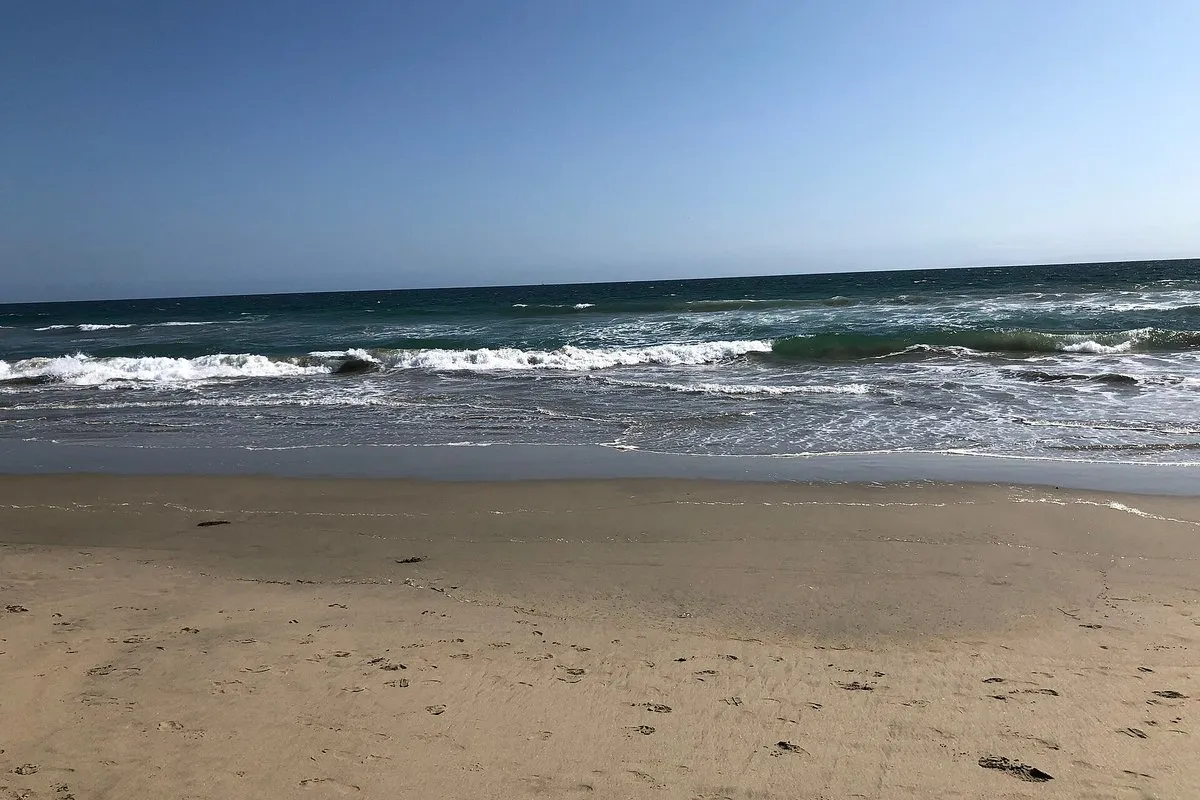
The beach itself is the park’s centerpiece, and it earns the attention. Three miles of wide, relatively uncrowded shoreline offer swimming, surfing, shelling, and surf fishing without the commercial development that defines most of the Grand Strand. There are no lifeguards on duty, and swimming is at your own risk. The beach also draws anglers casting for red drum, flounder, and whiting from the surf, and a valid South Carolina fishing license is required for surf fishing.
Atalaya Castle
Built in the early 1930s as the winter residence and studio of sculptor Anna Hyatt Huntington and her husband Archer, Atalaya is unlike anything else in South Carolina’s state park system. The Spanish-Moorish structure is a single-story complex built around a central courtyard, constructed largely by local laborers during the Great Depression. Anna Hyatt Huntington used the studio spaces to work on large-scale bronze sculptures, several of which are displayed at nearby Brookgreen Gardens. Self-guided tours are available, and the park hosts the annual Atalaya Arts and Crafts Festival each fall, one of the most popular outdoor arts events in the region.
Birding at Sandpiper Pond and Beyond
Huntington Beach is widely regarded as one of the premier birding locations in the Southeast. The freshwater lagoon along the Sandpiper Pond Trail sits directly adjacent to the salt marsh and beach habitat, creating an unusual convergence that attracts an extraordinary variety of species. More than 300 bird species have been recorded in the park. Wading birds including roseate spoonbills, wood storks, and multiple heron and egret species are regularly seen. Shorebird diversity peaks during spring and fall migration. The Sandpiper Pond Trail is a short, flat walk and is the most productive birding route in the park. Early morning visits in spring and fall yield the most activity.
Freshwater Lagoon and Marsh
The large freshwater lagoon along the park’s interior gives visitors a completely different environment from the beach. The lagoon itself is primarily a wildlife viewing area rather than a paddling destination; boaters can access the inlet at nearby Oyster Landing. The lagoon and the surrounding marsh edge support rich wildlife beyond birds, including river otters, turtles, and a healthy population of American alligators. The transition zone between the lagoon and the tidal marsh is particularly productive for wildlife observation.
Camping
The park operates a full-facility campground with standard campsites, full-hookup sites, and rustic tent sites. Campsites are among the most sought-after campground accommodations in the state park system and book up quickly, particularly in summer. Most sites include water and electrical hookups, and some include sewer hookups; rustic tent sites offer tent pads and central water access. Restrooms and shower facilities are available on-site. The campground puts visitors within walking distance of the beach, the lagoon, and the Atalaya Castle grounds.
Pet Policy
Pets are welcome in the park but must be on a leash no longer than six feet at all times. Dogs are allowed along trails and on the south end of the beach. They are not permitted inside buildings, including Atalaya Castle, or on the north end of the beach from the access point at the north parking lot to the jetty. Owners are expected to clean up after their animals.
Wildlife to Be Aware Of
American alligators are present in the freshwater lagoon and along the margins of the marsh, particularly along the Sandpiper Pond Trail. They are wild animals and should be given a wide berth. Do not approach, provoke, or feed alligators under any circumstances. Feeding alligators is illegal in South Carolina and causes them to lose their natural wariness of humans. If an alligator is blocking a trail, wait at a safe distance or turn back.
Jellyfish are a seasonal hazard in the Atlantic surf. Portuguese man-of-war and several true jellyfish species appear in the water and on the beach, most commonly in summer and early fall. Check current conditions before swimming and exit the water if jellyfish are present. Do not handle jellyfish washed up on the beach, as tentacles remain capable of stinging after the animal has died.
Several shorebird species, including the American oystercatcher and Wilson’s plover, nest directly on the beach during spring and early summer. Nesting areas are marked with signs and fencing. Stay outside the marked boundaries, keep dogs clear of these areas, and avoid walking along the wrack line in posted sections during nesting season. Disturbing nesting birds is a federal offense under the Migratory Bird Treaty Act.
Practical Information
Huntington Beach State Park is located at 16148 Ocean Highway in Murrells Inlet, South Carolina, approximately 16 miles south of Myrtle Beach on US Highway 17. The entrance is clearly marked along the highway. Brookgreen Gardens is directly across the highway and can be combined with a park visit for a full day.
Entry fees are $8 for adults, $5 for South Carolina seniors, $4 for youth ages 6 through 15, and free for children under 6. Annual passes are available and accepted. Campsite reservations are strongly recommended and can be made through the South Carolina State Parks reservation system. The park is open year-round. Summer weekends draw large crowds and the parking areas fill early. Weekday and off-season visits offer a noticeably quieter experience, particularly for birding and wildlife observation.
Frequently Asked Questions
Are dogs allowed at Huntington Beach State Park?
Huntington Beach State Park is dog-friendly year-round, and pets are welcome on the beach and along trails as long as they are kept on a leash no longer than six feet at all times. Dogs are not permitted inside Atalaya Castle or in the designated swimming areas.
How much does it cost to enter Huntington Beach State Park?
Admission is $8 for adults, $5 for South Carolina seniors, $4 for youth ages 6 through 15, and free for children under 6. Annual passes are also available and accepted at the gate.
Are there alligators at Huntington Beach State Park?
American alligators are present in the freshwater lagoon and along the marsh edges, particularly along the Sandpiper Pond Trail, and should always be given a wide berth. Feeding alligators is illegal in South Carolina, and if one is blocking a trail, visitors should wait at a safe distance or turn back.
Can you tour Atalaya Castle at Huntington Beach State Park?
Self-guided tours of Atalaya Castle, the Spanish-Moorish winter home and studio of sculptor Anna Hyatt Huntington, are available during park hours with access from 9 a.m. to 4 p.m. (extended to 5 p.m. during Daylight Saving Time). The castle may occasionally be closed during large events hosted on the grounds.