
Giant City State Park
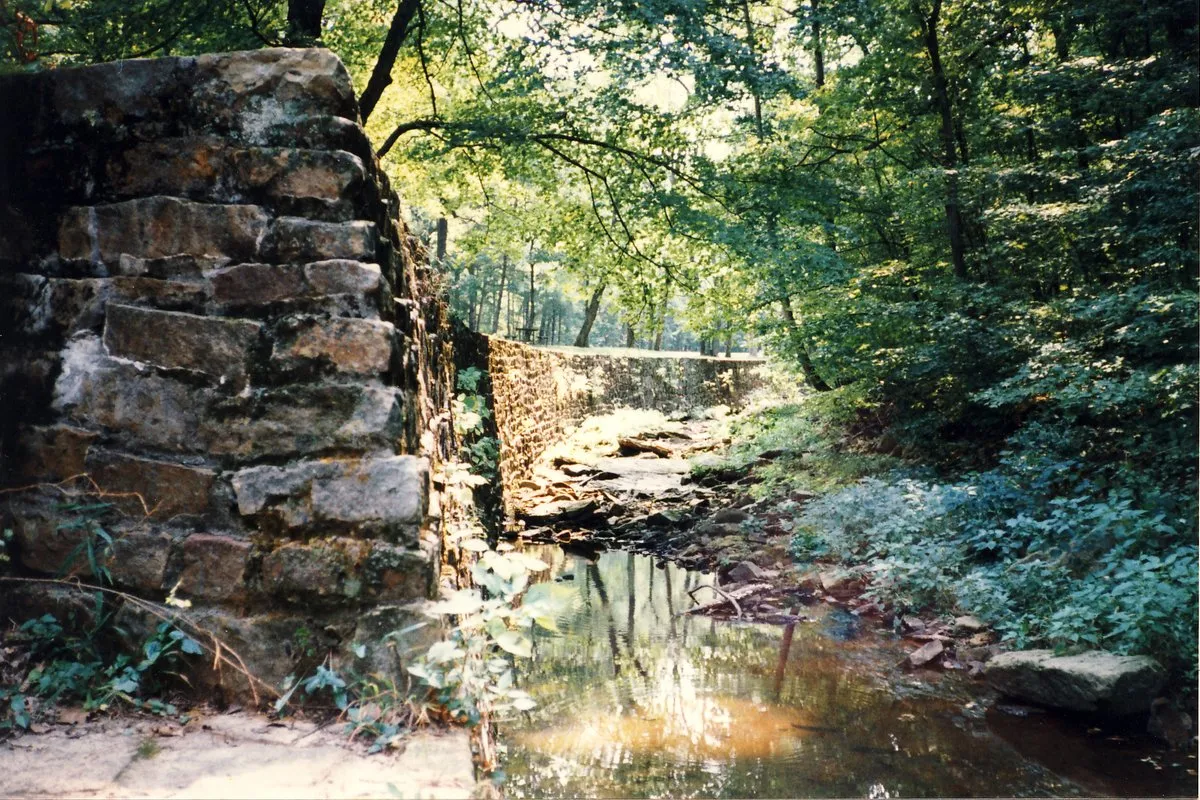
Giant City State Park covers approximately 4,052 acres in the Shawnee Hills of southern Illinois, about 12 miles south of Carbondale. The park takes its name from the massive sandstone bluff formations that rise throughout the landscape, their vertical faces and narrow passageways resembling city streets when viewed from within. Combined with a historic Civilian Conservation Corps lodge, miles of diverse hiking terrain, and equestrian access, the park draws visitors from across the Midwest looking for something more dramatic than the flat agricultural stretches that dominate much of the state.
The Sandstone Bluffs and Rock Formations
The geology here is the reason most people make the drive. Thick beds of St. Peter sandstone, deposited around 450 million years ago during the Ordovician period, have eroded into the towering block formations that define the park’s character. The Giant City Nature Trail, a short loop of about one mile, takes visitors directly through the largest concentration of these formations, where the walls rise 60 feet or more and the passageways narrow enough to feel genuinely enclosed. The rock surfaces show clear layering, erosion pockets, and in some spots prehistoric pictographs left by Indigenous peoples who used the area long before European settlement. These bluffs are the centerpiece of the park and worth visiting even if you have only an hour to spend.
Hiking the Trail System
Approximately 17 miles of marked trails spread across the park, ranging from the short nature trail through the main bluff formations to longer routes that cross creek drainages and move through upland forest. The Trillium Trail and the Indian Creek Barrens trails offer quieter experiences away from the busiest areas, passing through oak-hickory woods and open barrens habitat. Elevation changes are modest by mountain standards but significant for Illinois, with enough rolling terrain to make most hikes genuinely physical. Trail surfaces vary from packed dirt to exposed rock and root, so stable footwear matters more here than at flatter parks. Most trails are for hikers only, with designated equestrian routes kept separate to reduce conflict and erosion.
Equestrian Trails and Horseback Access
The park maintains a dedicated equestrian trail system of approximately 12 miles, along with a horse camp that provides access directly to those trails. Riders must use designated equestrian trails only and are not permitted on hiking-only paths. The horse camp has basic facilities and accepts reservations through the Illinois DNR system. This is one of the more accessible equestrian parks in southern Illinois, and the trail terrain through forested ridgelines gives riders a different experience than flat prairie riding.
The CCC Lodge and Historic Structures
The Giant City Lodge was built by the Civilian Conservation Corps between 1934 and 1935 and remains one of the best-preserved examples of CCC construction in Illinois. The main lodge building uses local stone and timber throughout, with a large dining room that still operates as a full-service restaurant open to the public. The cabins on the property, also original CCC construction, are available for overnight rental and tend to book well in advance, particularly in fall. Even visitors not staying overnight often stop at the lodge for a meal. The quality of the craftsmanship, the heavy stone fireplaces, and the careful placement of the structure within its wooded setting make it worth a visit on its own terms.
Camping
Beyond the lodge cabins, the park has a developed campground with 85 Class A sites offering electricity and showers and 14 Class C walk-in sites for tents. A dump station serves RV campers. The campground sits within easy reach of the main trail system, making it a practical base for multi-day visits. Sites book up quickly on fall weekends when leaf color peaks in the Shawnee Hills region.
Pet Policy
Pets are welcome throughout the park and on trails but must remain on a leash no longer than 10 feet at all times. Pets are not permitted inside the lodge building or cabins. Owners are responsible for cleaning up after their animals. Given the rocky terrain and the presence of venomous snakes in warmer months, keeping dogs close to the trail and away from rock crevices is a reasonable precaution beyond just the leash rule.
Wildlife to Be Aware Of
Copperhead snakes are present in the park and represent the most significant safety concern for visitors. They favor rocky outcroppings, talus edges, and the borders of trails, particularly during warmer months from spring through fall. Watch where you place your hands when scrambling on rock and step onto surfaces you can see clearly. They are not aggressive but will strike if stepped on or handled. White-tailed deer move through the park in significant numbers and are most active at dawn and dusk. They pose little direct danger but can behave unpredictably during the fall rut, and drivers should be alert on the park road during low-light hours.
Ticks are common on all wooded trails throughout the warmer months. Do a thorough check of your entire body after any hike, paying attention to the hairline, behind the knees, and under the arms. Wearing light-colored clothing and tucking pants into socks reduces exposure. Poison ivy grows along trail margins and in rocky areas across the park. Learn to identify its three-leaf pattern before visiting and avoid brushing against vegetation where you are uncertain.
Practical Information
Giant City State Park is located at 235 Giant City Road, Makanda, Illinois. The nearest city is Carbondale, approximately 12 miles north via Route 51 south to the park entrance road. Day use is free. Camping fees run from $10 to $20 per night depending on site type. Reservations for campsites, the horse camp, and lodge cabins can be made through the Illinois DNR reservation system at ExploreMoreIL. The park is open year-round, though the lodge and restaurant close from mid-December until the first weekend of February. Fall is the most heavily visited season. Cell service is limited in parts of the park.
Frequently Asked Questions
Is there an entry fee to visit Giant City State Park?
Day use of the park is free, and camping fees range from $10 to $20 per night depending on site type, with reservations available online through the Illinois DNR.
Are dogs allowed on the trails at Giant City State Park?
Dogs are welcome at Giant City State Park, though visitors should be aware that ticks are common on heavily wooded trails and copperhead snakes may be encountered along rocky trail edges, so keeping pets close and checking thoroughly after hikes is strongly advised.
Can you stay overnight at the Giant City Lodge cabins?
The original CCC-built cabins at Giant City Lodge are available for overnight rental and tend to book well in advance, particularly during fall, so reservations should be made as early as possible.
Is there horseback riding available at Giant City State Park?
The park maintains approximately eight miles of designated equestrian trails along with a horse camp that connects directly to those trails, and riders must stay on equestrian-only routes separate from the hiking trail system.