
Starved Rock State Park
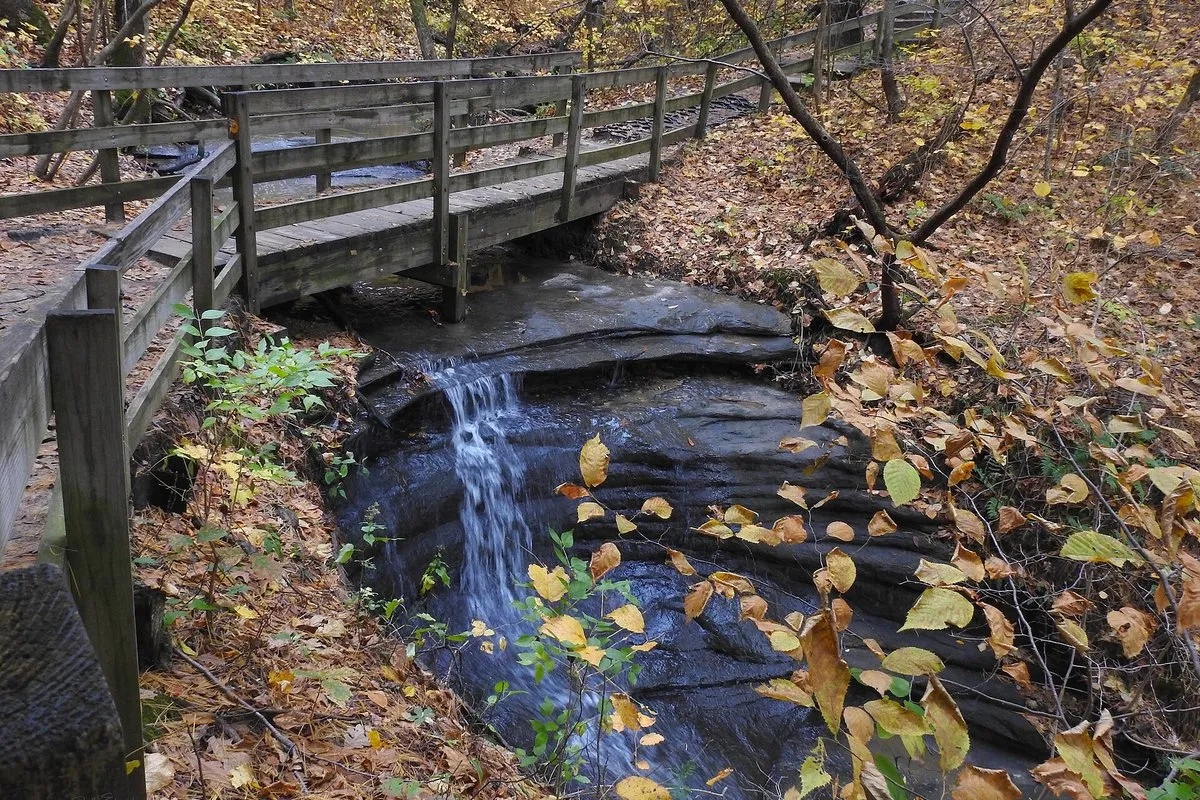
Starved Rock State Park sits along the south bank of the Illinois River in LaSalle County, Illinois, about 90 miles southwest of Chicago near the town of Utica. The park is built around a series of 18 sandstone canyons carved by glacial meltwater thousands of years ago, and it draws approximately 2.2 million visitors annually, making it one of the most visited state parks in Illinois. What sets it apart is the combination of dramatic canyon scenery, seasonal waterfalls that appear after snowmelt and spring rains, and reliable winter bald eagle viewing along the river corridor.
The Canyons and Waterfalls
The canyons are the defining feature of the park, and they are the reason most people make the trip. Each gorge has its own character. French Canyon is compact and frequently photographed, with a horseshoe shape and a waterfall that flows strongly through late spring. St. Louis Canyon carries one of the taller falls in the park and remains accessible even when other areas are crowded. LaSalle Canyon tends to hold water longer into the season and offers a more enclosed, dramatic feeling.
Waterfall season peaks from late February through early May, when snowmelt and spring rainfall keep the falls running. By midsummer, most of the falls slow to a trickle or stop entirely. If seeing active waterfalls is your goal, plan your visit for March or April. After heavy rain in any season, the falls can surge back to life briefly, though that same rainfall creates flooding hazards in the gorges.
Eagle Watching Along the Illinois River
From November through March, bald eagles concentrate along the Illinois River near Starved Rock in numbers that are unusual for the Midwest. The eagles follow the river as it stays partially open during cold weather, hunting fish in the open water below the Starved Rock Lock and Dam. The area around the visitors center and the river overlooks is often the best vantage point without requiring a long hike.
The park holds Eagle Watch Weekend in late January, with spotting scopes set up and naturalists on hand to help visitors find birds. Even outside those events, early morning visits on cold clear days in January and February regularly turn up dozens of eagles perched in trees along the riverbank or actively hunting over the water.
Hiking the Canyon Trails
The park has over 13 miles of trails, and they range from short canyon walks to longer routes that connect multiple gorges along the river bluffs. The east canyon trails take visitors through Wildcat, Ottawa, Kaskaskia, and several other gorges in sequence. The west side accesses French Canyon, St. Louis Canyon, and the bluff trail overlooking the river. Most canyon floors are reached by descending stairs or steep paths, and the footing can be slick on wet rock or icy in winter.
Trail conditions vary significantly by season. Spring offers waterfalls but muddy paths. Summer brings full leaf cover but dry canyon floors. Fall color typically peaks in mid-October and draws large crowds. Winter hiking, especially on clear days after a freeze, can produce ice formations inside the canyons that are worth the cold.
History and the Visitors Center
The park takes its name from a local legend involving a siege on the rock summit that left a group of Illiniwek people stranded and starving in the early 18th century. The sandstone butte called Starved Rock itself is accessible by trail and gives a wide view over the river and surrounding forest.
The visitor center is open daily from 9:00 am to 4:00 pm and closes on federal and state holidays from November through February. It includes exhibits on the park’s geology, history, and wildlife. It also contains a restaurant and connects directly to the lodge, which offers lodging and dining on the park grounds. Canoe and kayak rentals are available seasonally for river access.
Pet Policy
Pets are allowed in most areas of the park but must be kept on a leash at all times. Pets are not permitted inside the canyon floors or on certain trail sections to protect sensitive areas and other visitors. They are not allowed inside any park buildings. Always check current trail access rules at the visitors center, as restrictions can change seasonally.
Wildlife to Be Aware Of
Bald eagles are the most celebrated wildlife in the park, but they require no special precautions beyond keeping a respectful viewing distance. Coyotes are present throughout the park year-round and are generally not a concern, but they should never be fed or deliberately approached. Keep food secured and do not leave snacks unattended at picnic areas.
The two more serious hazards are rock fall and flash flooding. Canyon walls are actively eroding, and loose rock can come down without warning. Staying on marked trails and not climbing the canyon walls is essential, not just a suggestion. Flash flooding is a real risk inside the gorges after heavy rain. Water levels can rise very quickly in the enclosed canyon floors, and there is often little warning. If rain is forecast or moving through the area, avoid the canyon interiors and move to higher ground on the bluff trails.
Practical Information
Starved Rock State Park is located at 2668 East 875th Road, Oglesby, Illinois, approximately 90 miles southwest of Chicago via Interstate 80. Take Exit 81 at Utica and follow the signs south to the park entrance. Entry to the park is free, and parking is free year-round. On peak spring weekends, the park may require timed entry reservations to manage parking lot capacity; check the Illinois Department of Natural Resources website before visiting on busy weekends in March, April, and October. The lodge and visitors center are open year-round. Canyon trails can be icy in winter, and traction devices are recommended from December through February.
Frequently Asked Questions
Is there an entry fee for Starved Rock State Park?
Starved Rock State Park is free to enter and parking is free year-round, though a timed entry reservation may be required on peak weekends to manage crowds.
Are dogs allowed on the trails at Starved Rock State Park?
The park asks that visitors keep bags and coolers of food off the trail system, and visitors should check current pet policies with the park directly before bringing dogs on canyon trails.
When is the best time to see the waterfalls at Starved Rock?
Waterfall season peaks from late February through early May, when snowmelt and spring rainfall keep the falls running, with March and April generally offering the most reliable flow.
Will any trails be closed at Starved Rock in 2026?
Beginning in March 2026, some trails will be closed through June for construction work that will affect access to French Canyon from the visitor center and Lodge parking lot trailhead.