
Thousand Springs State Park
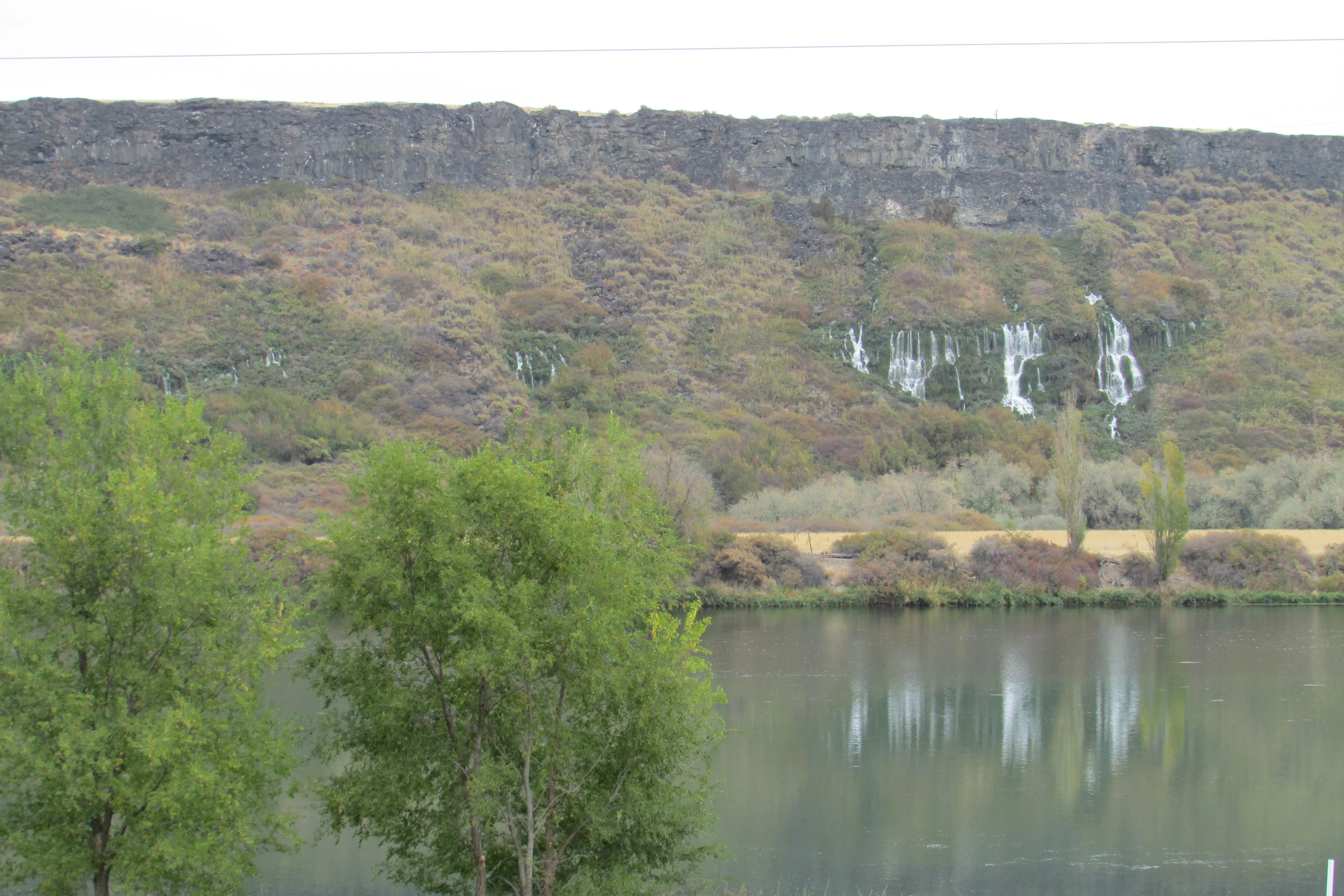
Thousand Springs State Park in south-central Idaho is actually a complex of six separate units in the Hagerman Valley/Snake River area, with several units featuring waterfalls, springs, and canyon scenery. The springs are fed by the Snake River Aquifer, with water that begins near the Craters of the Moon area nearly 100 miles away and may spend perhaps 200 years underground before emerging at the springs.
The Six Units
For 2026, the most accurate way to describe Thousand Springs is as a spread-out state park complex in the Hagerman Valley, with units and day-use areas that require driving between stops rather than walking from one central entrance. Idaho Parks describes the park as divided into six units within short driving distance of one another, while its current park page also lists Crystal Springs Lake as a separate day-use area, so visitors should rely on the official park map when planning a route.
Malad Gorge is the easiest unit for travelers passing through the area because it sits just off Interstate 84 at the Tuttle exit. The highlight is the Malad River dropping through Devils Washbowl and carving a 250-foot gorge on its way toward the Snake River, with the best views from the bridge over the canyon.
Earl M. Hardy Box Canyon Springs Nature Preserve is one of the park’s signature stops. Box Canyon Springs flows at about 180,000 gallons per minute, and visitors can see bright blue spring water, a canyon overlook, a primitive hiking trail, and a 20-foot waterfall.
Ritter Island is the most pastoral and historic unit, with springs, wildlife, and old agricultural buildings. It is also more seasonal than some other parts of the park: the official 2026 park page says Ritter Island is open Memorial Day weekend through Labor Day weekend, Thursday through Monday, from 10 a.m. to 3 p.m., and closed Tuesday and Wednesday.
Niagara Springs is a dramatic canyon-side spring area and a National Natural Landmark. The road descends into the Snake River canyon, giving visitors a close look at blue spring water tumbling down the canyon wall, but the park warns that the road is narrow and steep and should not be attempted with a motorhome or large trailer.
Billingsley Creek is the park’s main hub for camping, visitor services, fishing, wildlife viewing, and horseback-related facilities. The Thousand Springs State Park and Hagerman Fossil Beds National Monument Visitor Center is located at the Billingsley Creek Unit, making it a smart first stop for maps, current conditions, and orientation.
Kelton Trail preserves a piece of Oregon Trail and stage-route history, with wagon ruts and traces of the Kelton Stage Stop. It is a good choice for visitors who want a short historical stop rather than a waterfall-focused visit.
Crystal Springs Lake is also listed on the current Idaho Parks page and is worth including as a practical day-use stop. This seven-acre lake has docks, picnic tables, shade trees, vault toilets, fishing, and birdwatching opportunities, especially when waterfowl are moving through the Snake River corridor.
Hiking and Viewpoints
Thousand Springs is less about one long trail system and more about short hikes, overlooks, scenic drives, and quick walks spread across several units. Malad Gorge is one of the best viewpoint stops, with canyon views from the bridge over the gorge and short walks to side areas where springs form ponds and streams. It is a strong first stop for visitors who want impressive scenery without a long hike.
Box Canyon is the best unit for hikers who want a more immersive spring-and-canyon experience. The paved road makes the overlook easy to reach, while the primitive trail offers a more rugged route into the canyon landscape. The vivid blue water, canyon walls, and 20-foot waterfall make this one of the park’s most photogenic areas, especially in clear light.
Ritter Island is ideal for slower exploration, photography, and wildlife watching. Visitors can see springs, historic farm structures, and Snake River scenery, though access is seasonal and the road is narrow and steep. Niagara Springs is another high-impact scenic stop, especially for visitors who want to drive down into the canyon and see spring water pouring from the basalt cliffs.
For history-focused visitors, Kelton Trail adds a different kind of viewpoint: wagon ruts, stage-road remnants, and evidence of the old route that carried mail, freight, passengers, and Oregon Trail traffic through the region. Together, the units reward a flexible itinerary with several short stops instead of one single trailhead plan.
Wildlife and Springs Geology
Thousand Springs is shaped by the Snake River Aquifer, which sends cold, clear groundwater out through canyon walls after long underground travel. That water emerges as springs, pools, streams, and waterfalls, creating the “thousand springs” effect that gives the park its name. Visit Idaho describes the park’s scenery as water flowing from below ground and cascading down volcanic cliff faces, with each unit showing a different side of south-central Idaho’s geology.
The springs also support rich wildlife habitat. Box Canyon is a strong place to watch for bald eagles and golden eagles, especially in winter, while Crystal Springs Lake attracts waterfowl along the Snake River corridor. Billingsley Creek, Ritter Island, and the canyon areas can also be good for birding, wildlife viewing, and quiet observation.
The park’s geology is part of what makes it so unusual. Basalt cliffs, canyon walls, lava-shaped landscapes, spring-fed pools, and river-carved gorges all come together in a relatively compact region. Malad Gorge shows the erosive force of the Malad River, Box Canyon highlights massive spring flow, and Niagara Springs gives visitors a close look at water emerging from a steep canyon wall.
Pet Policy
Pets are allowed at Thousand Springs State Park, but they must be kept on a leash no longer than six feet at all times. Idaho Parks also says pets may not be left unattended, owners must clean up after them, and pets cannot create disturbances that bother other visitors.
Because the park is spread across canyon overlooks, steep roads, water access points, picnic areas, and wildlife habitat, pet owners should plan carefully. Bring water, waste bags, and a secure leash, and keep dogs away from cliff edges, fast water, wildlife, and private or restricted areas. Pets are not allowed in the Ritter Island rental houses, so overnight visitors using those historic homes should make other arrangements.
Practical Information
Thousand Springs State Park’s main address is 17970 U.S. Highway 30 in Hagerman, Idaho, and the visitor center is located at the Billingsley Creek Unit. The park is about 34 miles northwest of Twin Falls and about 97 miles southeast of Boise, but the individual units are spread out, so visitors should expect to drive between stops.
A Motor Vehicle Entrance Fee is required for Idaho state parks unless visitors have a valid Idaho State Parks Passport or other accepted pass. For 2026, Idaho Parks lists the daily motor vehicle fee at $7 per vehicle for Thousand Springs group-use and park entry references.
For a first visit, prioritize Malad Gorge, Box Canyon, Ritter Island, and Niagara Springs if you want the biggest scenery. Add Billingsley Creek and the visitor center for orientation, camping, fishing, and a slower start to the day; add Kelton Trail if Oregon Trail history is a priority; and add Crystal Springs Lake for fishing, picnicking, or birdwatching.
Hours vary by unit and season. Billingsley Creek, Kelton Trail, Box Canyon, and Crystal Springs are listed as open year-round for day use from 7 a.m. to 10 p.m. Malad Gorge is open year-round, though its back gate is only open to motor vehicles from Memorial Day weekend through Labor Day weekend. Niagara Springs is open to motor vehicles from the weekend after Memorial Day through Labor Day weekend, with walk-in access outside that season. Ritter Island is open Memorial Day weekend through Labor Day weekend, Thursday through Monday, 10 a.m. to 3 p.m.
Spring and fall are the best seasons for comfortable hiking, photography, and multi-unit exploring. Summer brings longer days and better seasonal access to Ritter Island and Niagara Springs, but it can be hot and exposed around canyon rims and picnic areas. Bring water, sun protection, sturdy walking shoes, a printed or downloaded map, and enough fuel in your vehicle, since the park is not a single compact destination.
Wildlife to Be Aware Of
Western rattlesnakes are present in the canyon terrain and rocky sagebrush areas around the Thousand Springs units. The canyon walls, basalt ledges, and dry brushy slopes between parking areas and viewpoints provide good rattlesnake habitat. Watch your footing on rocky ground and avoid reaching or stepping into areas you cannot see clearly. Canyon edges and cliff faces are a physical hazard at Malad Gorge, Box Canyon, and Niagara Springs. Some viewpoints are unfenced or have low barriers, and the drops are significant. Keep children close, do not lean over edges for photographs, and stay on marked viewing areas. The Niagara Springs road and the road to Ritter Island are both narrow and steep. The park warns that motorhomes and large trailers should not attempt these routes. Take them slowly, watch for oncoming vehicles on the narrow sections, and turn around if conditions change. Spring outflows and the Snake River carry cold, fast water. Canyon spring basins and river edges can have unstable footing and fast currents. Stay well back from the water’s edge at canyon-bottom viewpoints, especially with children and pets.
Frequently Asked Questions
What is the entry fee for Thousand Springs State Park?
Day use costs $7 per vehicle, and the Idaho State Parks Passport is accepted in place of the fee.
Are dogs allowed at Thousand Springs State Park?
Leashed dogs are welcome throughout the park's units, but must be kept on a leash no longer than six feet and are not permitted inside the Ritter Island rental houses.
Can you paddleboard or kayak at Thousand Springs State Park?
Water recreation is available at Ritter Island, though visitors should be aware that spring outflows and river sections feature fast-moving cold water and unstable canyon edges that require caution.
Is Niagara Springs accessible by motorhome or large trailer?
The park warns that the road into Niagara Springs is narrow and steep and should not be attempted with a motorhome or large trailer.